Feeds:
Posts
Comments

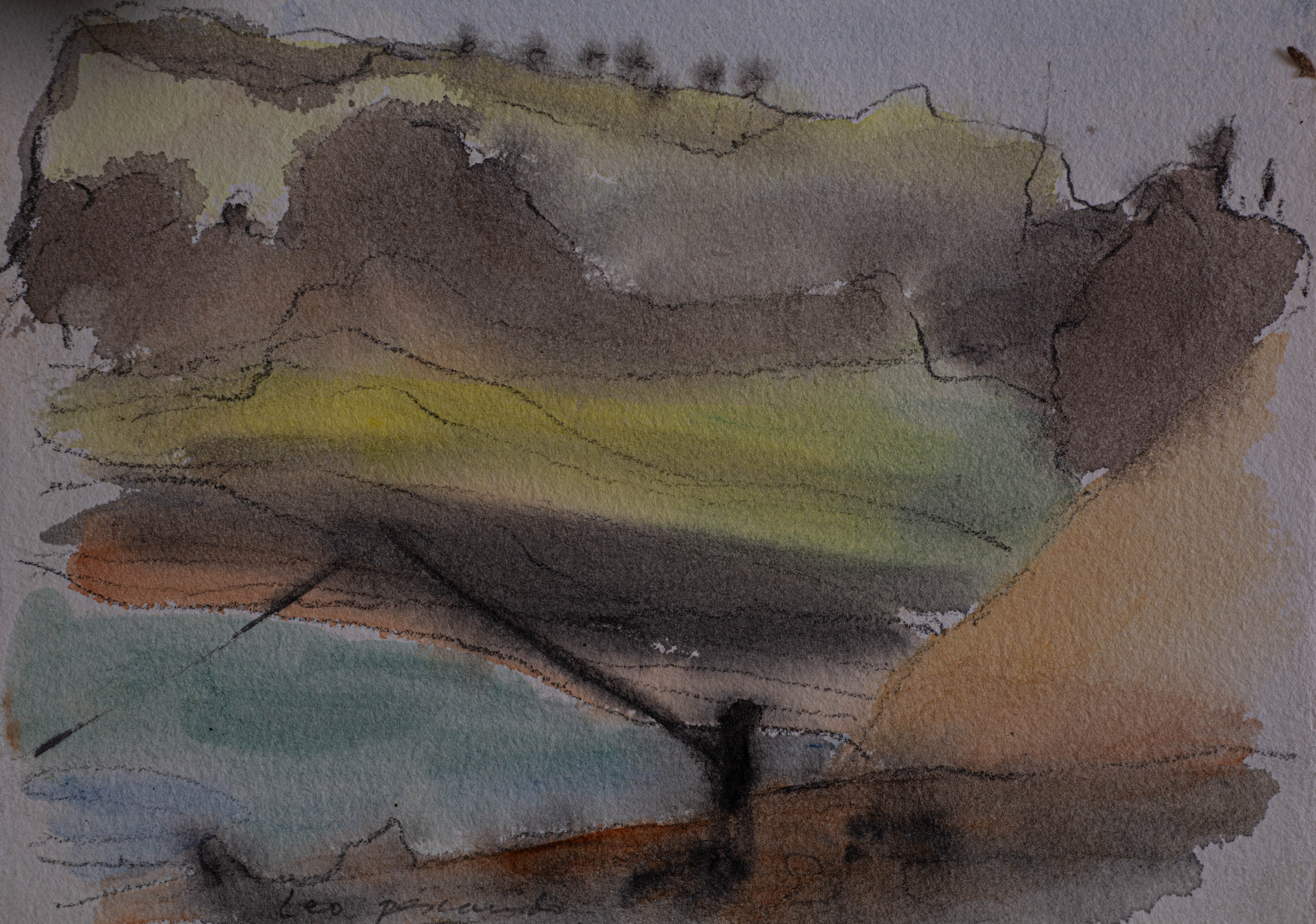
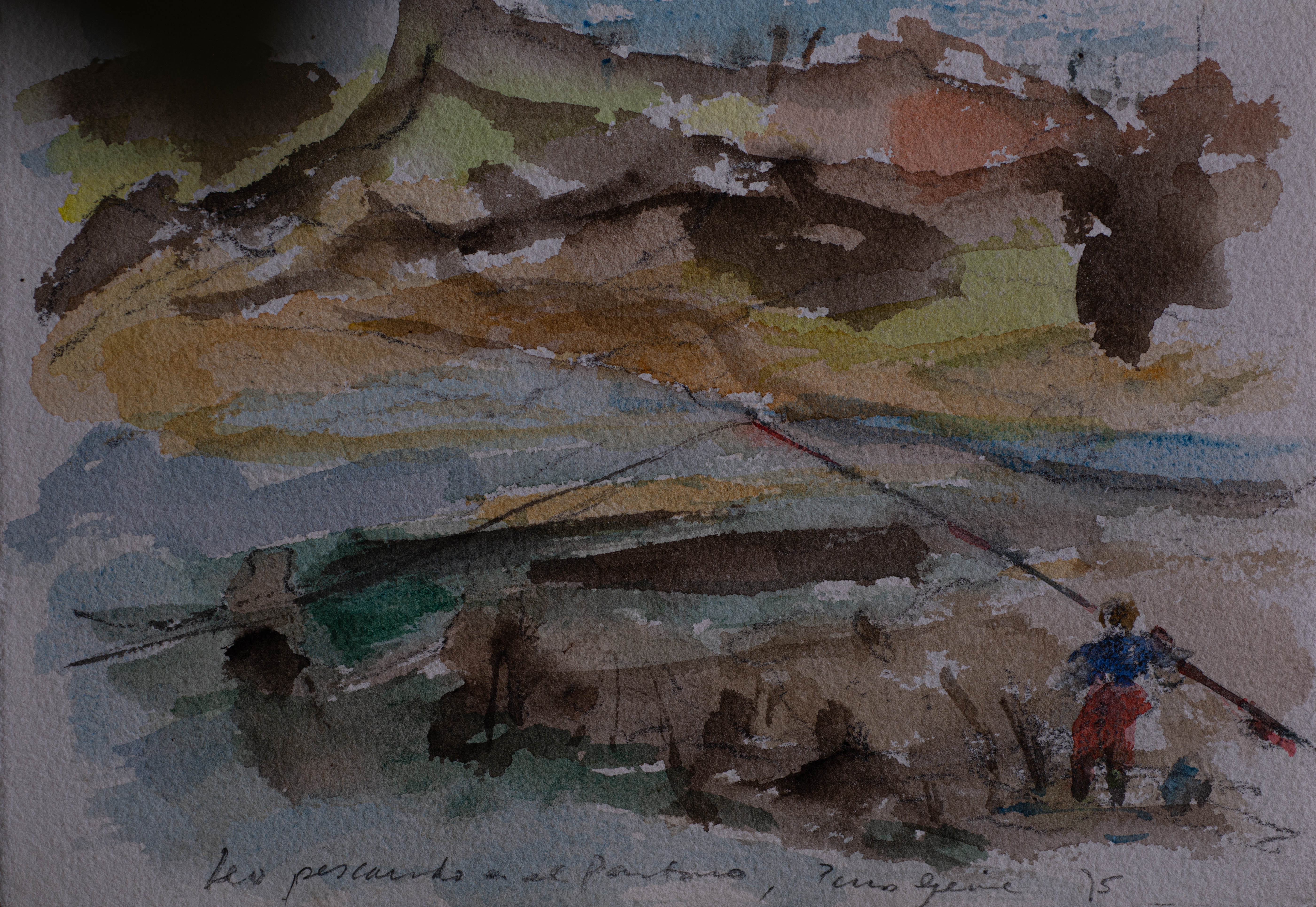
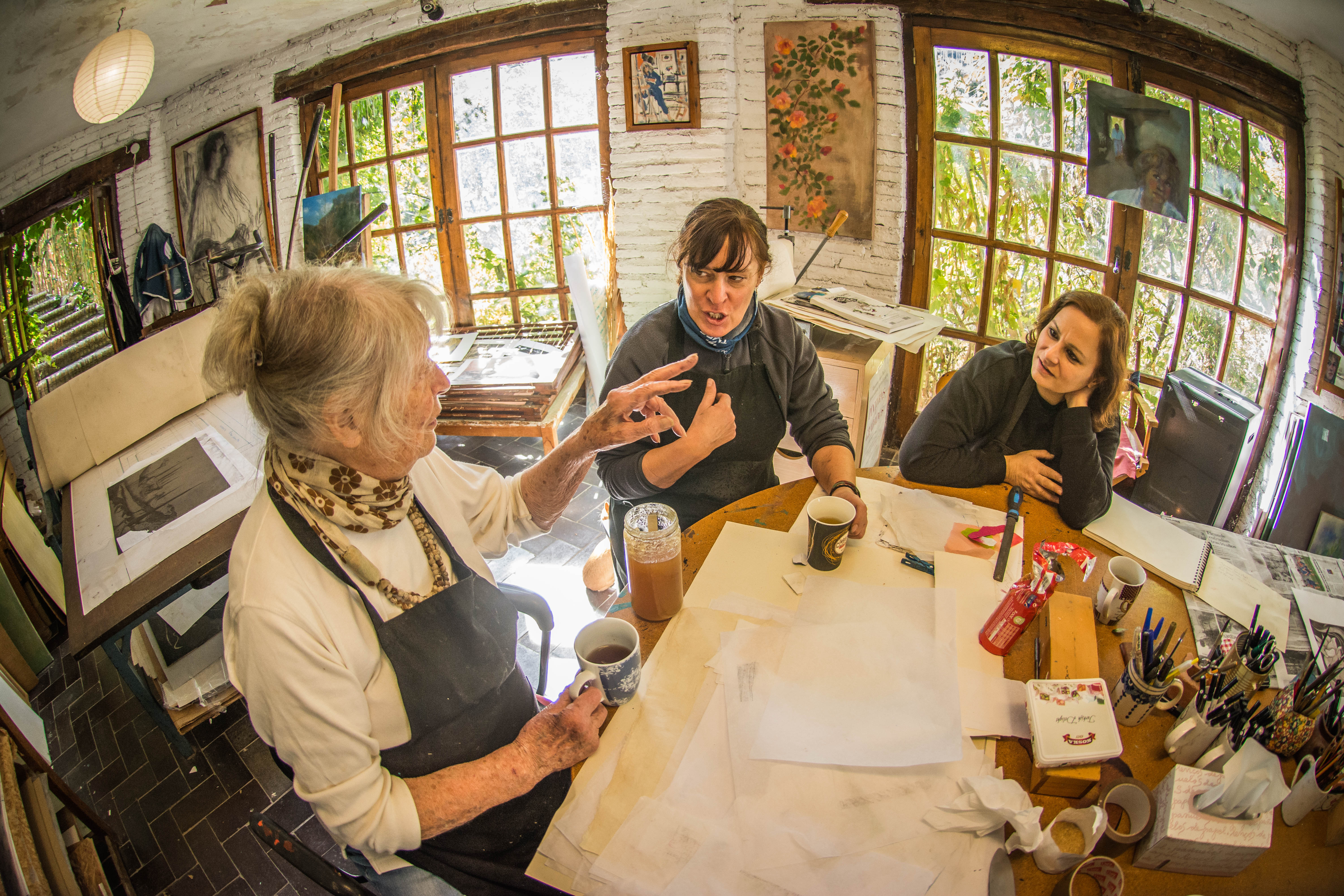
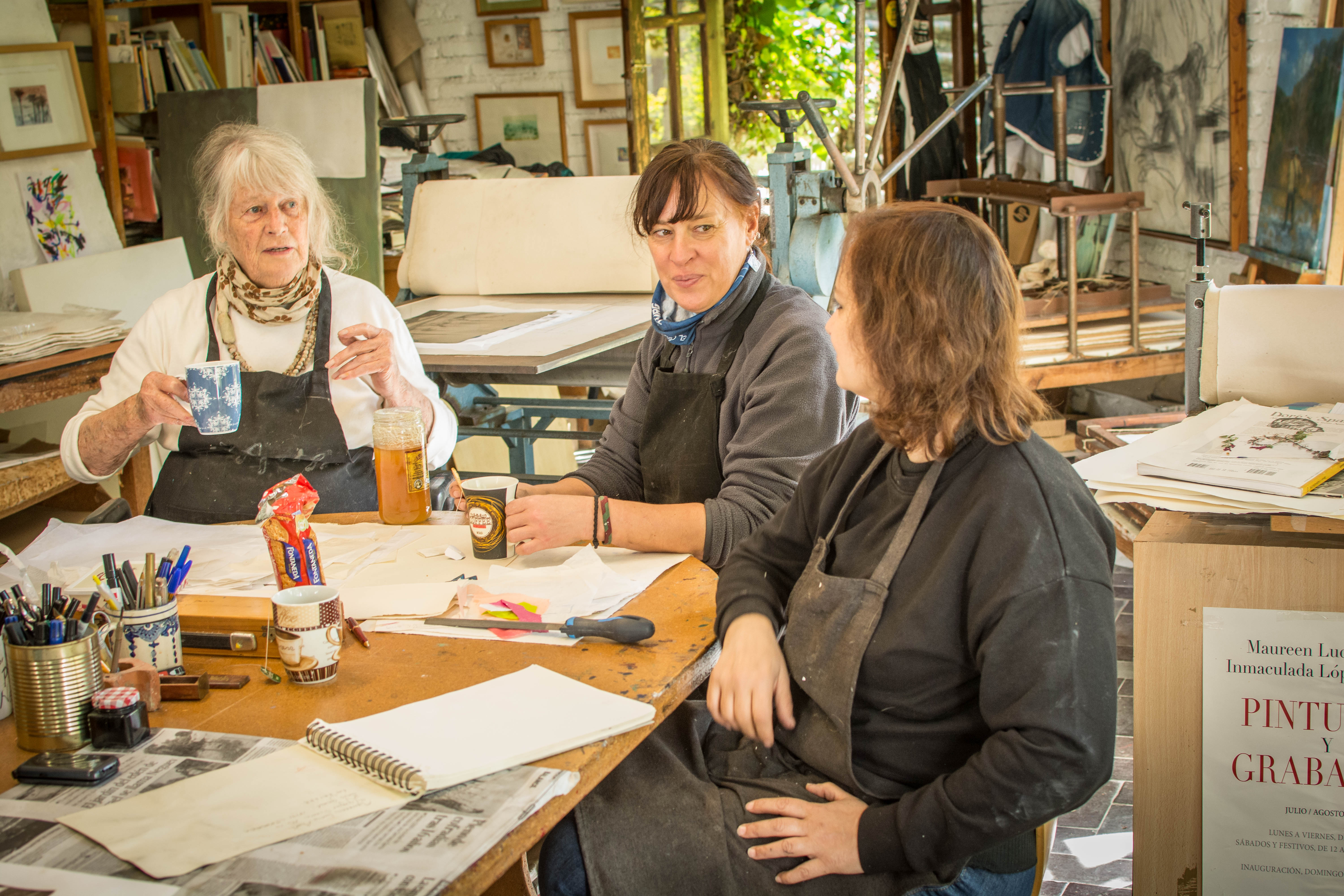
Christmas Open Studio

by Maureen Booth

It’s an Opportunity to Share Some Village Wine, Chat and See Some of My Work in the Place Where It Was Created

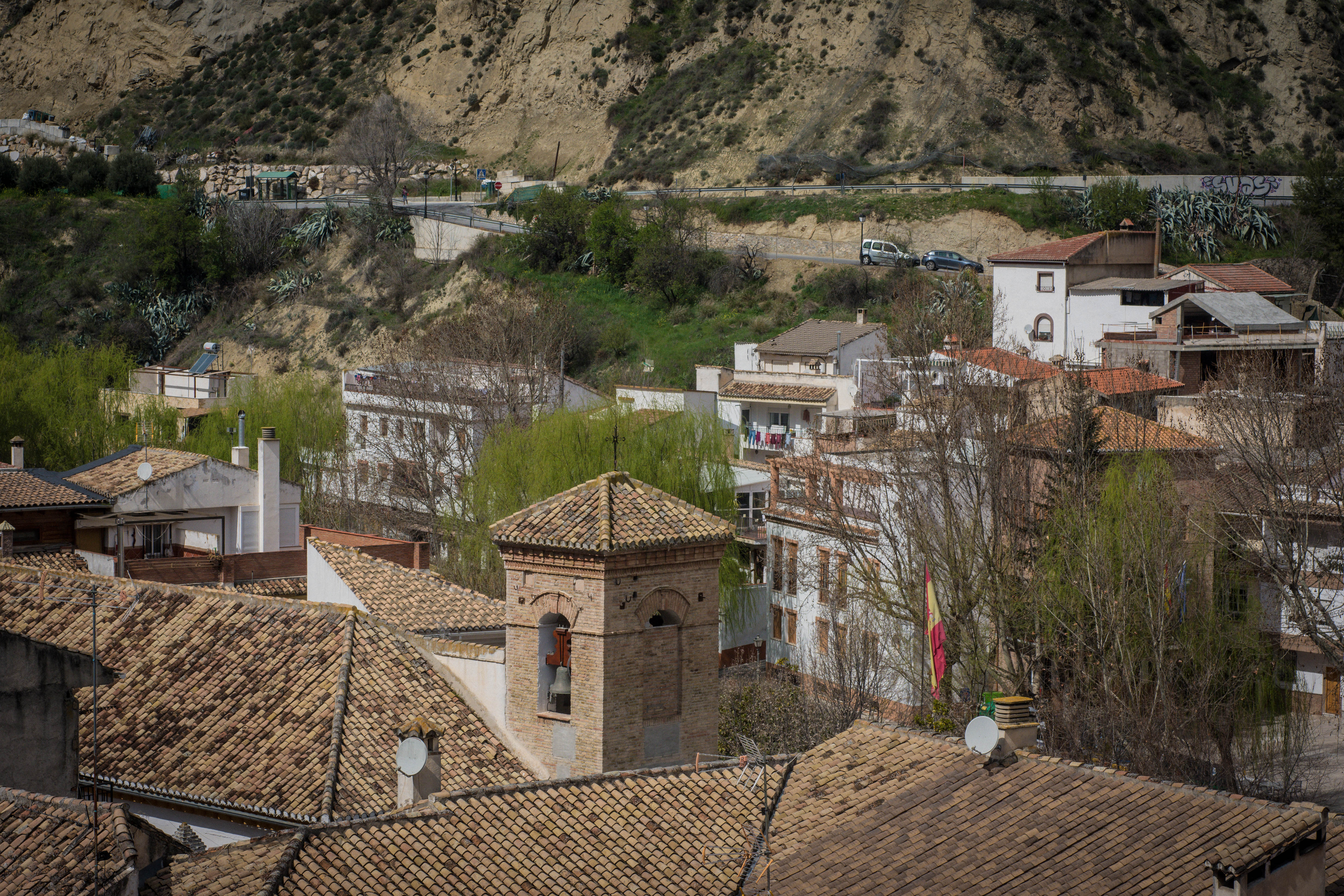
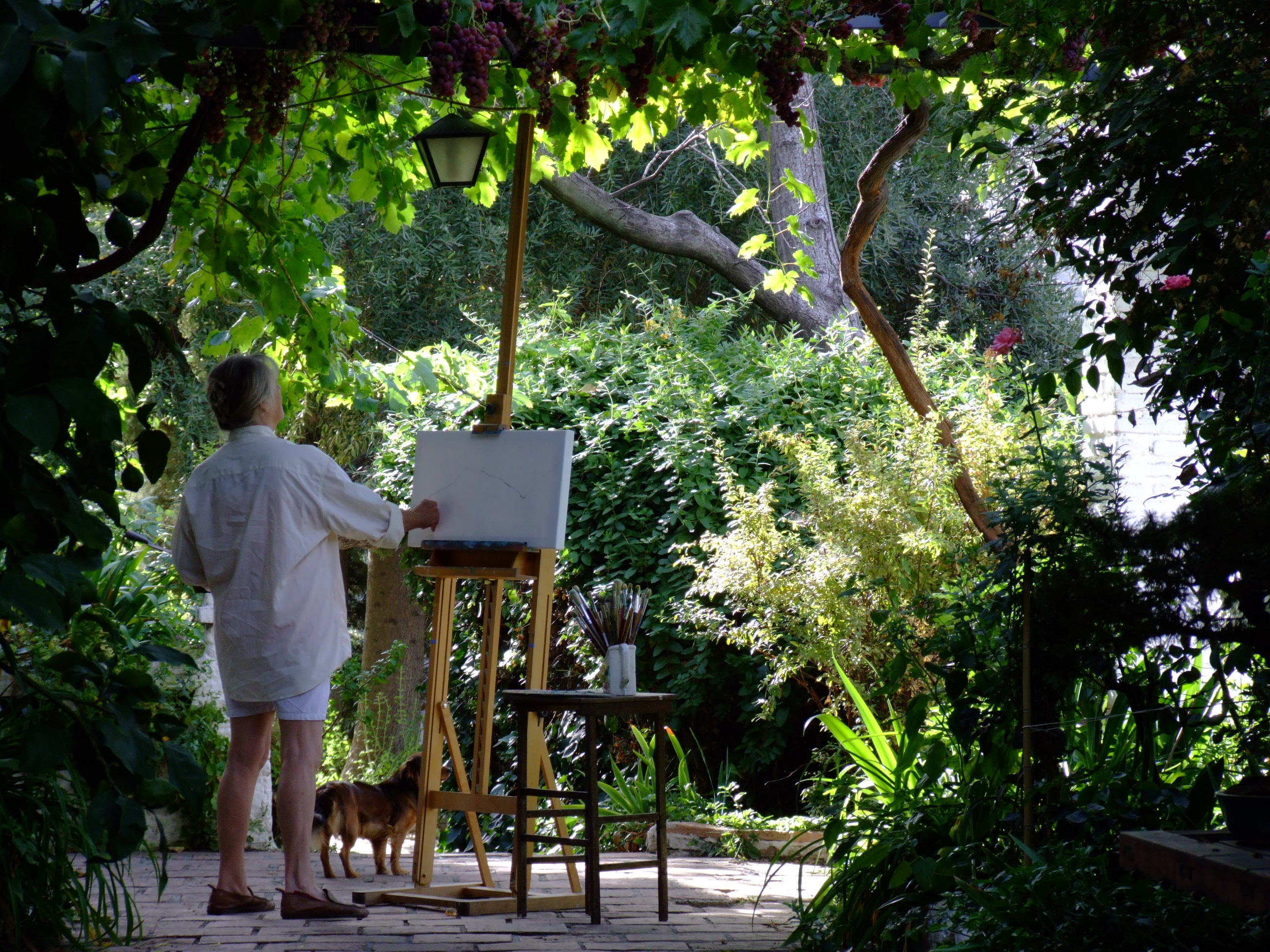
Any boy or girl who turns out to be an artist in life will never forget the first time he or she set foot in the studio of a professional. It’s something that stays with us for the rest of our lives. There is only one experience in an artistic life that inspires more awe: your own studio. Not a corner of the bedroom, nor a garage, nor a porch, but a proper studio with proper light and a door that locks. I was lucky on this count. It was 1966 and I had been living for a short time in Nerja, a village in the province of Málaga, Spain. That little town, in those days, was a dream for a girl from Manchester, UK. It was an authentic Mediterranean fishing village with cobbled streets, roman tiles and a friendly cop with a cap and truncheon. And sunshine beyond my wildest dreams.

There were also foreigners, but not many, and a good proporption of them were painters and writers and one etcher. That arty element gave a special character to the pueblo. It was like an artists’ colony that had sprouted naturally, like mushrooms in the woods, a place where nobody pronounced the phrase, “artists’ colony.” Those artists opened my eyes to a culture and a life that I would never have discovered without their influence.

In the exact center of the village was a big house with an enormous garden dotted with fruit trees. That plot of land was the envy of the village that was already foreseeing a brilliant future in tourism. It was the perfect place to site a luxurious block of flats. But the owner, Conchita Bueno, daughter of a distinguished local family, refused even to consider selling her orchard.

We first met one day when I was painting in the plaza. She paused in her mornintg “paseo” and expressed interest in what I was painting, adding, “So, you like painting on the street, do you?”

“Yes,” I replied, “Besides it’s my only choice. I don’t have a studio.”

“You don’t have a studio,” said Conchita, as if she were alarmed. “Come with me, daughter.” Conchita was like that.

She took me to that big house with fruit trees and led me up to the top floor. It was a spacious attic, one diaphanous wooden-floored space with a view over the orchard.

“Now you’ve got a studio,” said Conchita.

I protested, “You’re very kind, but I’m not sure I can afford such a splendid studio.”

Conchita replied, furrowing her brow as if impatient with me, “You’re not going to pay anything, daughter.”

That’s what Conchita, who didn’t have children, was like.

I Adapt My Studio to Printmaking

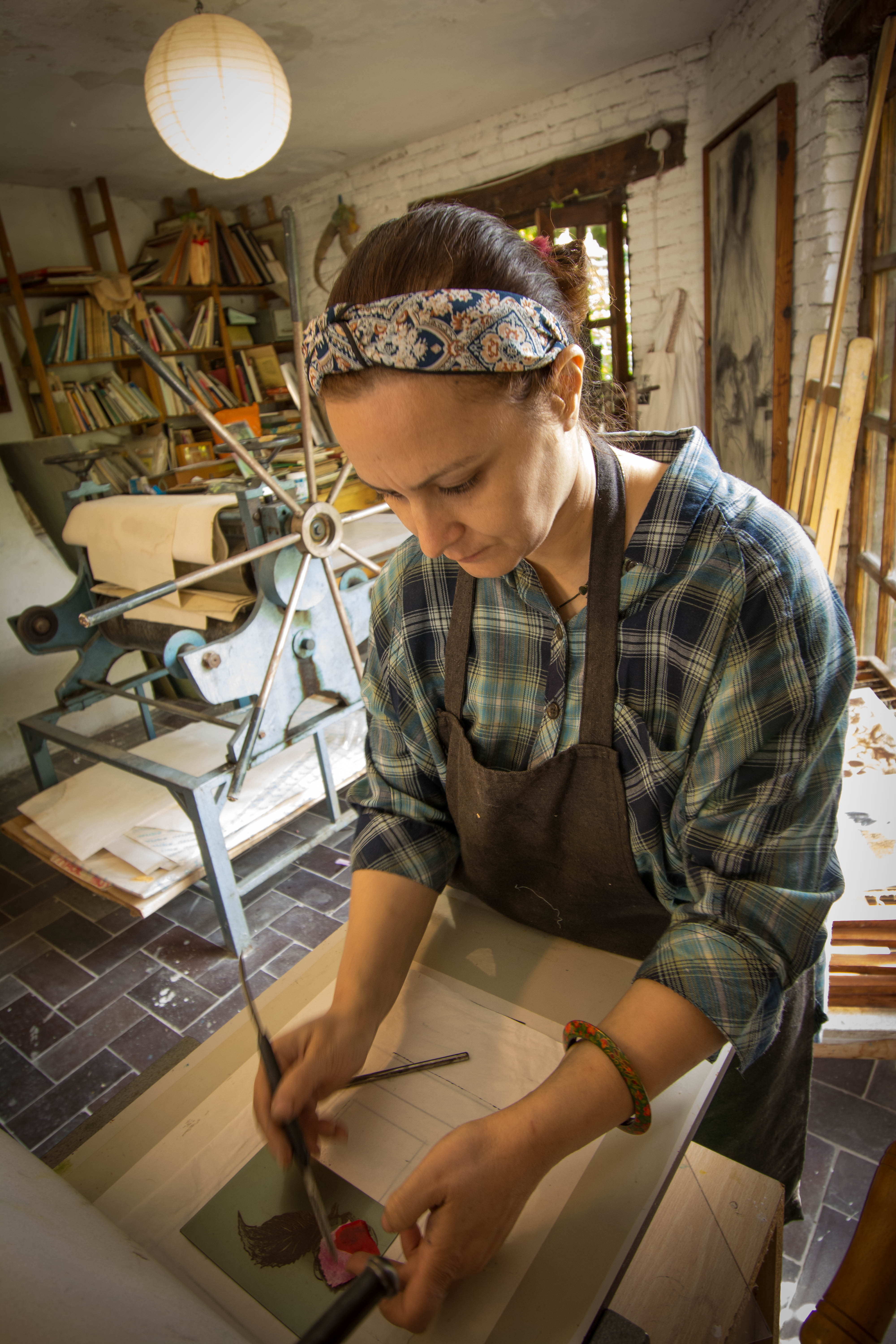
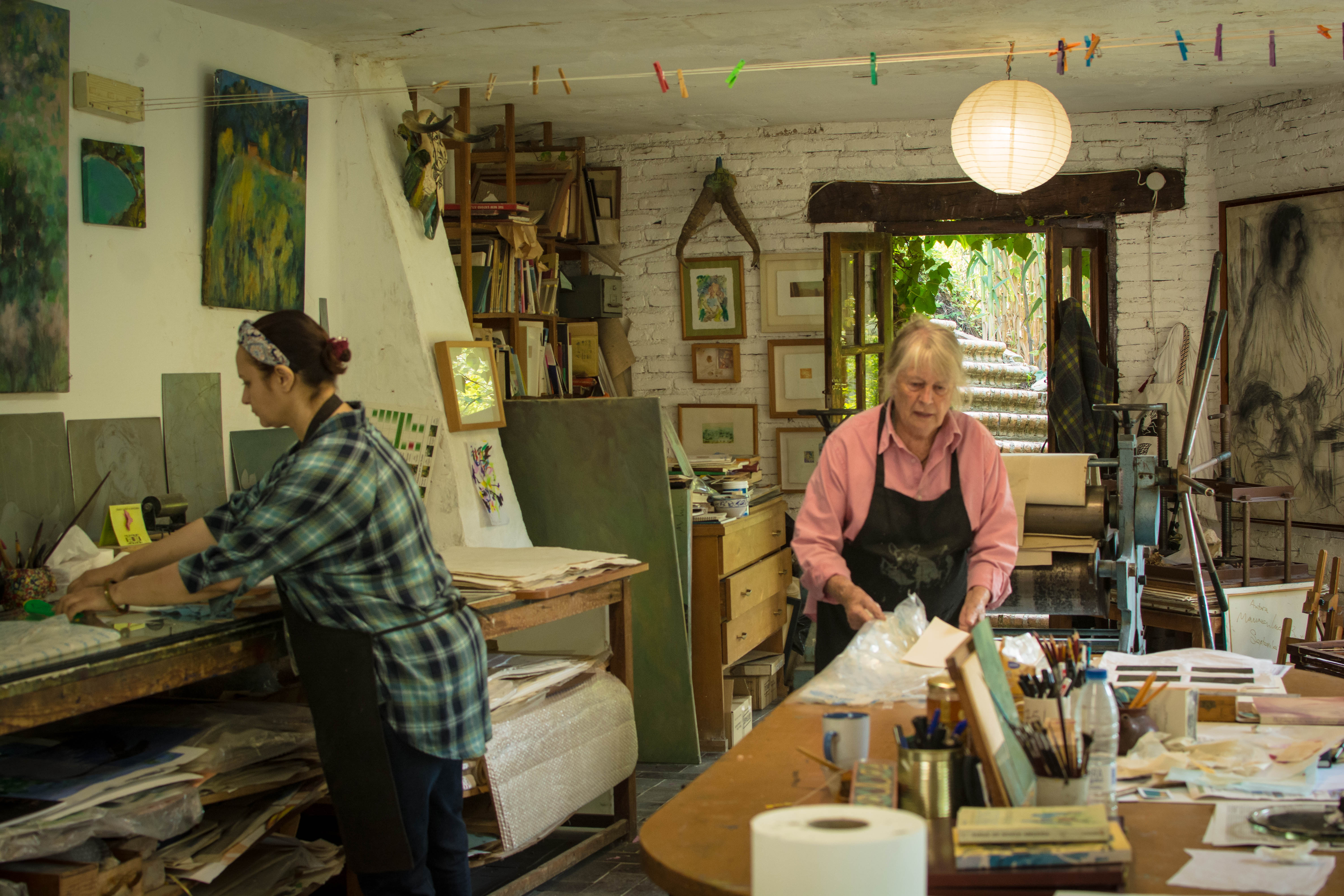
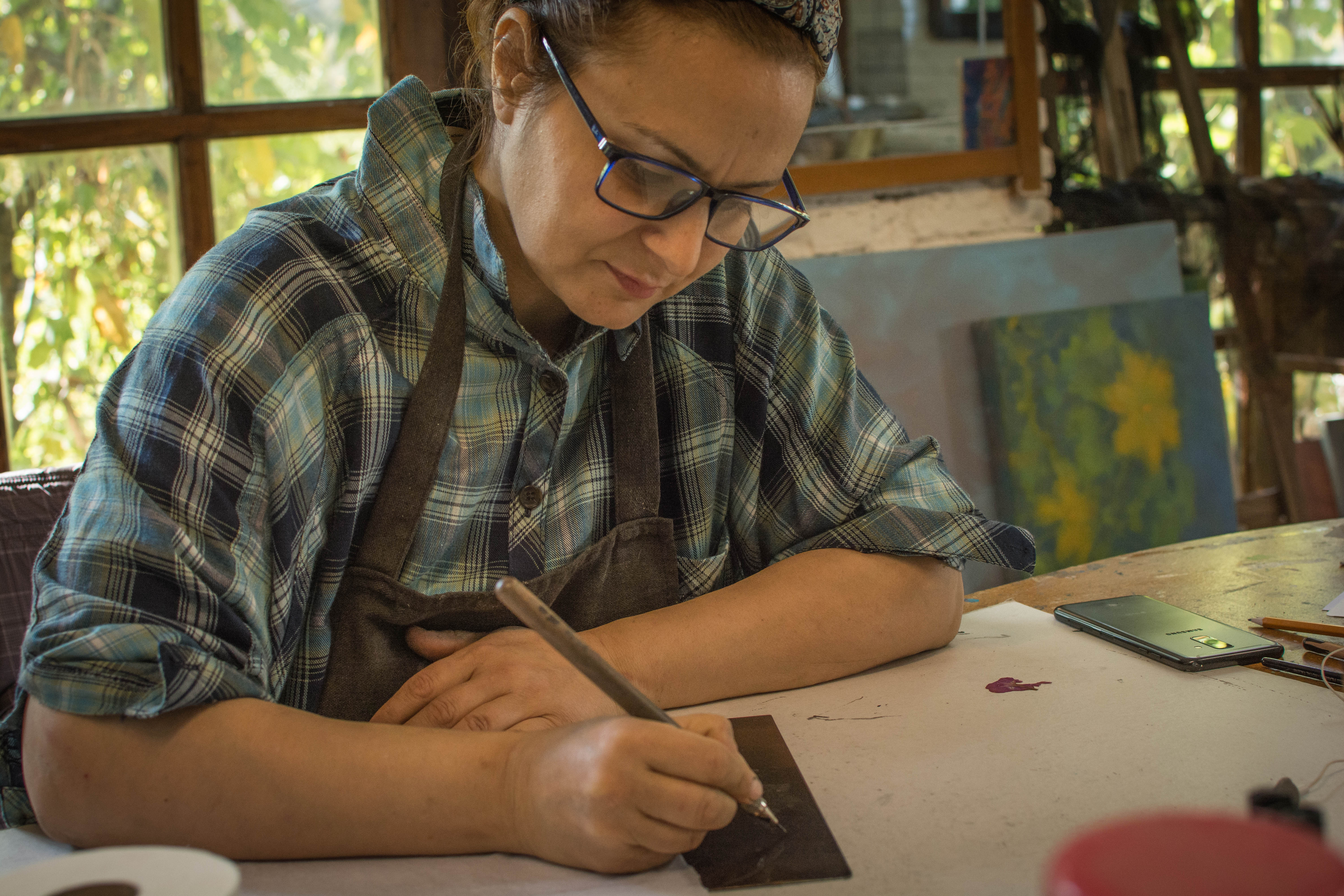
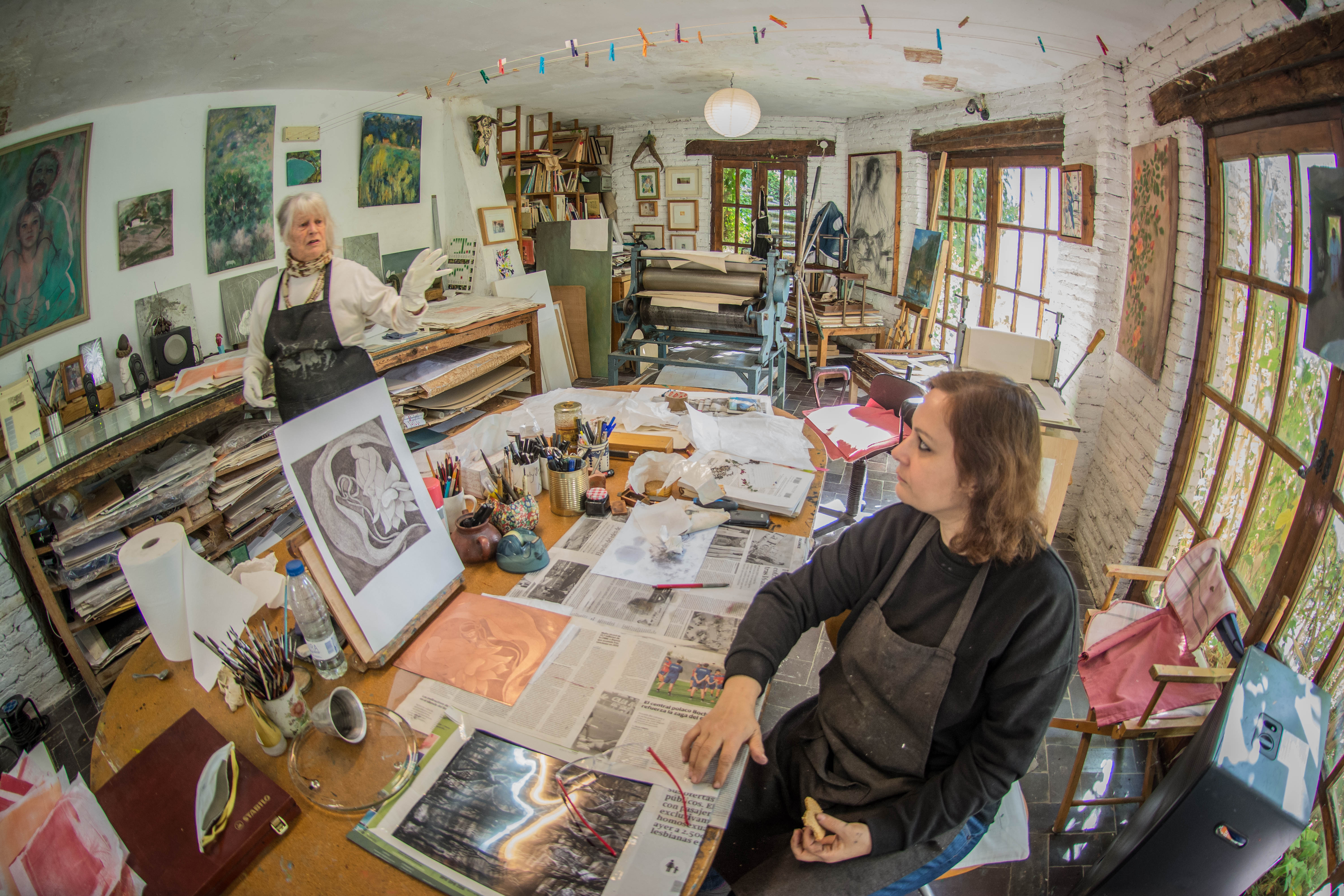
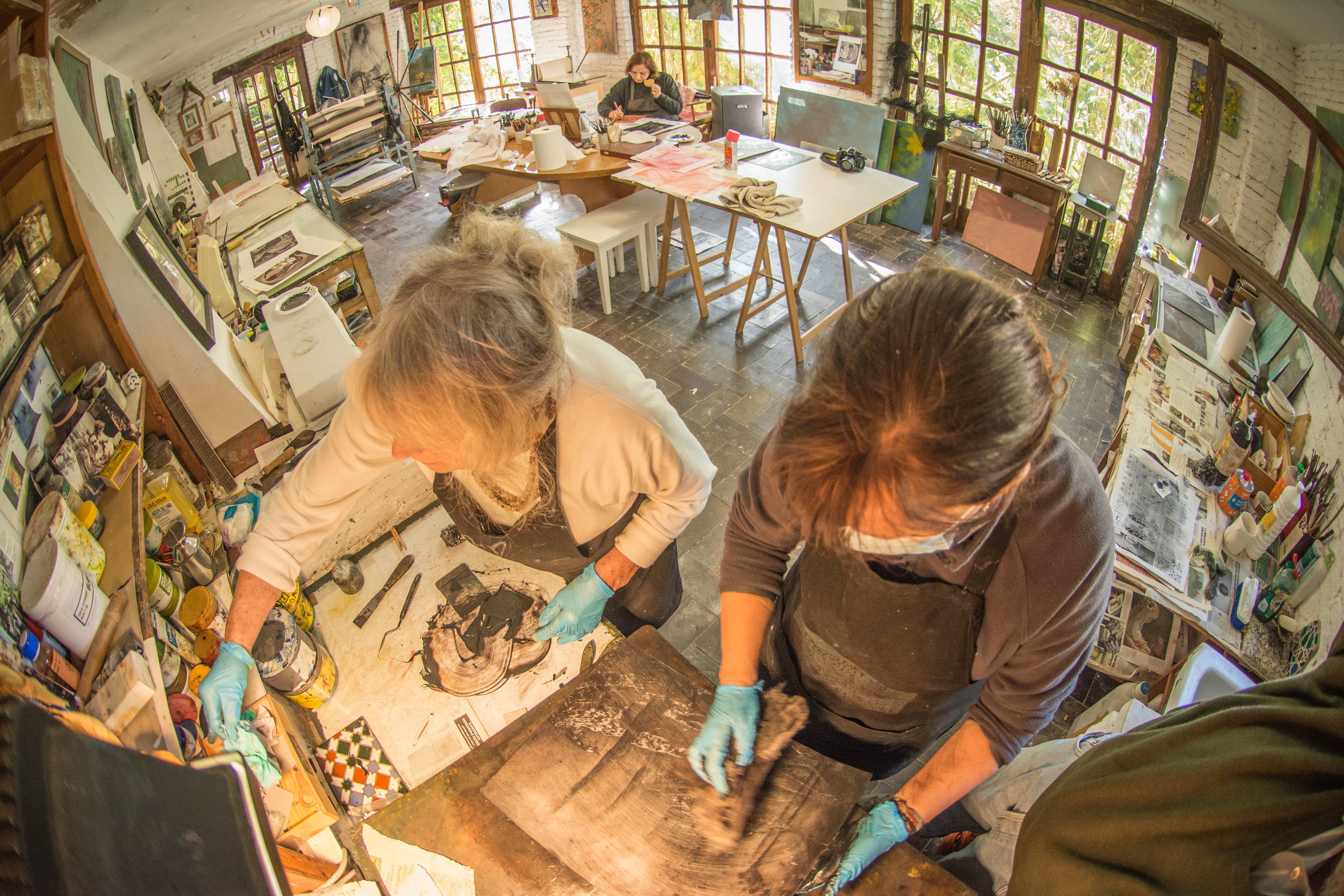
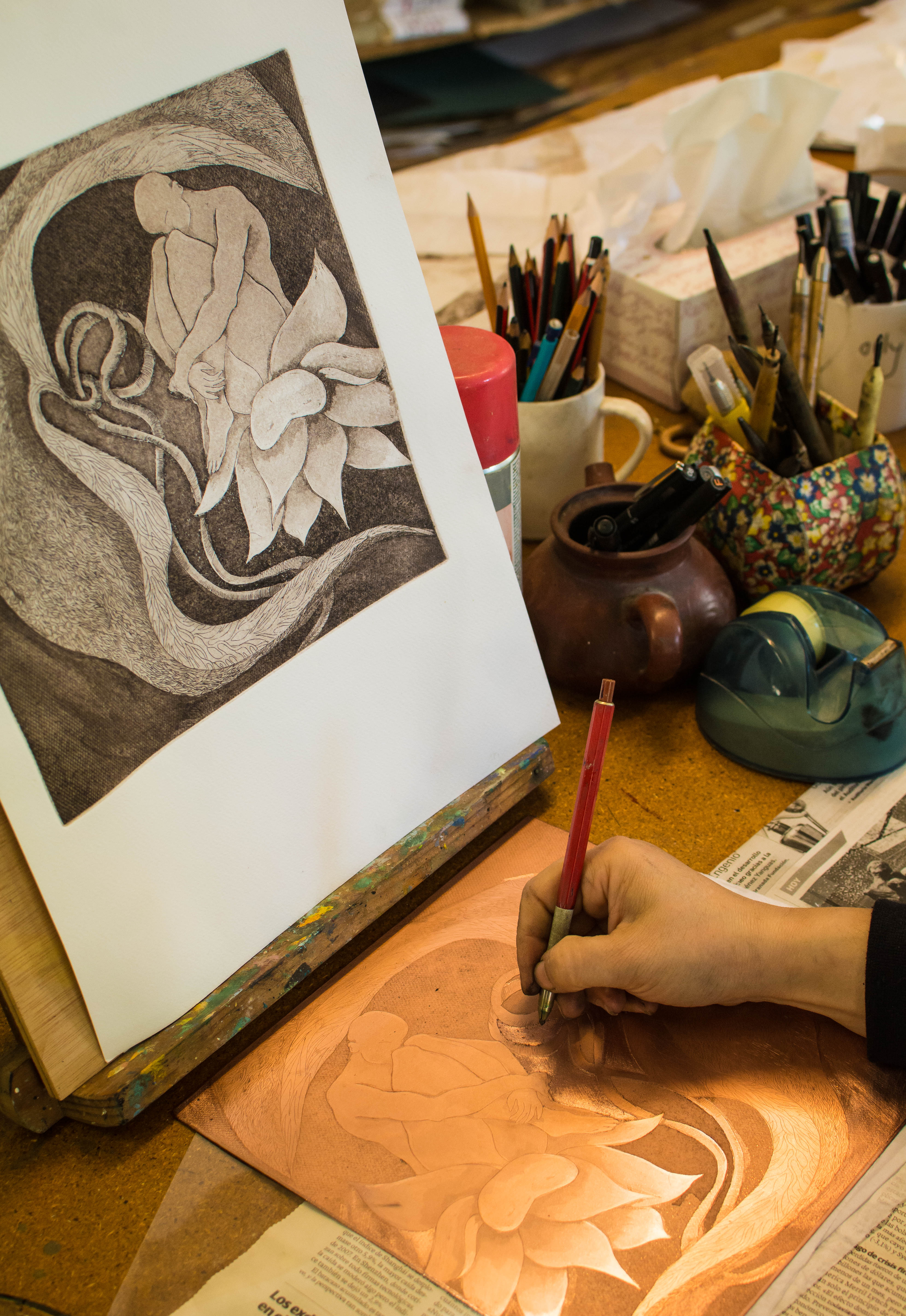
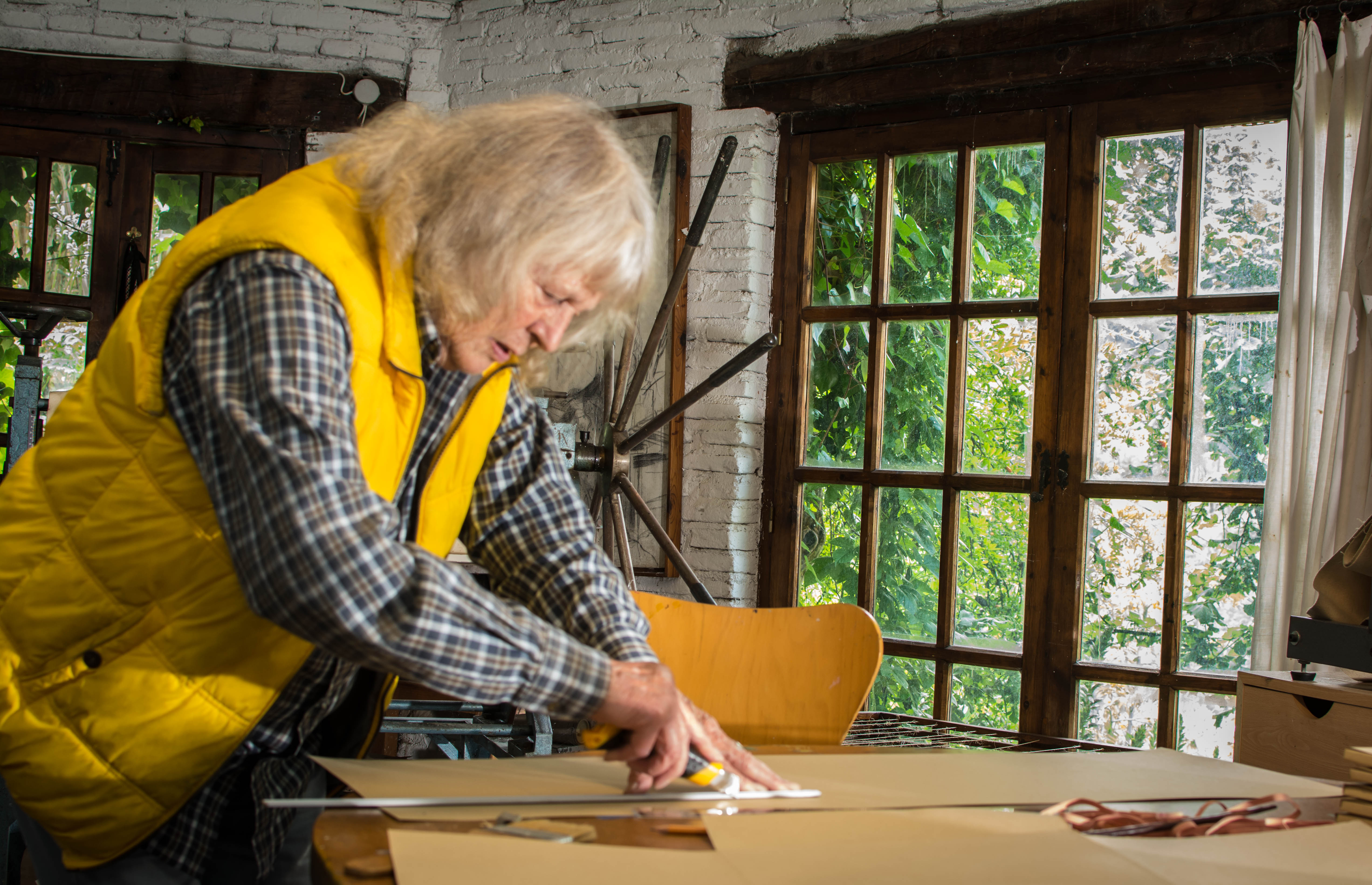
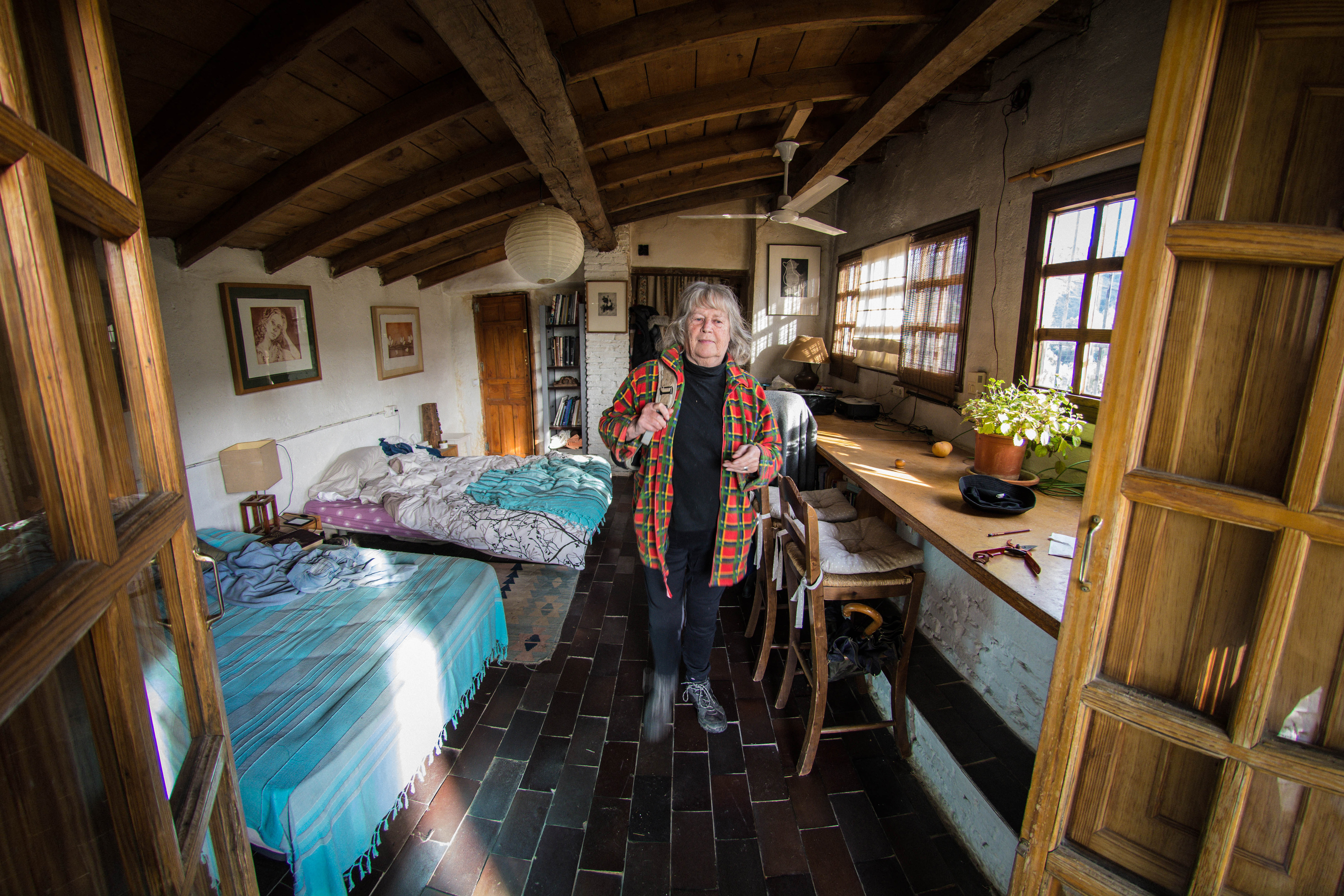
I worked for almost three years in that magnificent studio with a little kitchen and its own entrance from the street. I soon began to sell almost everything I painted–lots of local color–and to dream of living from my artwork. That sounded then like a fairy tale. Not quite. I just needed a dose of perseverence and little bit of madness. My next studio was a little stone goat shed on a rocky hillside above Pinos Genil, a village outside Granada. That was followed by a revamped chicken house, and finally a big well-lit studio that my husband Mike built for me. There I only painted until I was selected to study printmaking in the Rodríguez-Acosta Foundation in Granada (1977-80) under the tutelage of José García (Pepe) Lomas, a true master printmaker who left the south of Spain peppered with his disciples. A couple of years later the Foundation closed and I had the opportunity to buy one of their etching presses and all the tables and accessories necessary to convert my space into a fully-fledged printmaking studio. There, over the past 30-some years, I’ve received artists from around the world, to learn printmaking techniques with me.

My Invitation

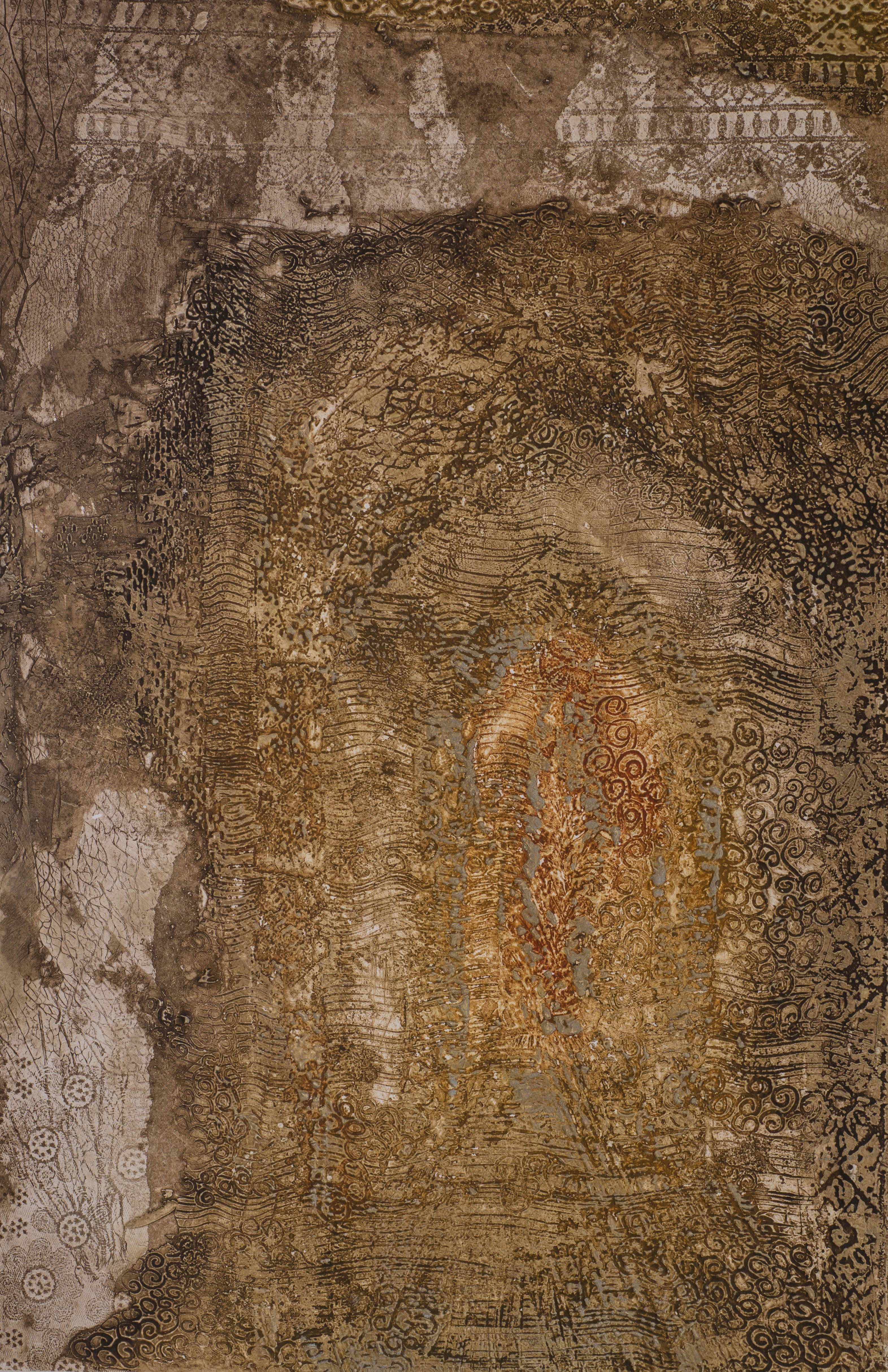
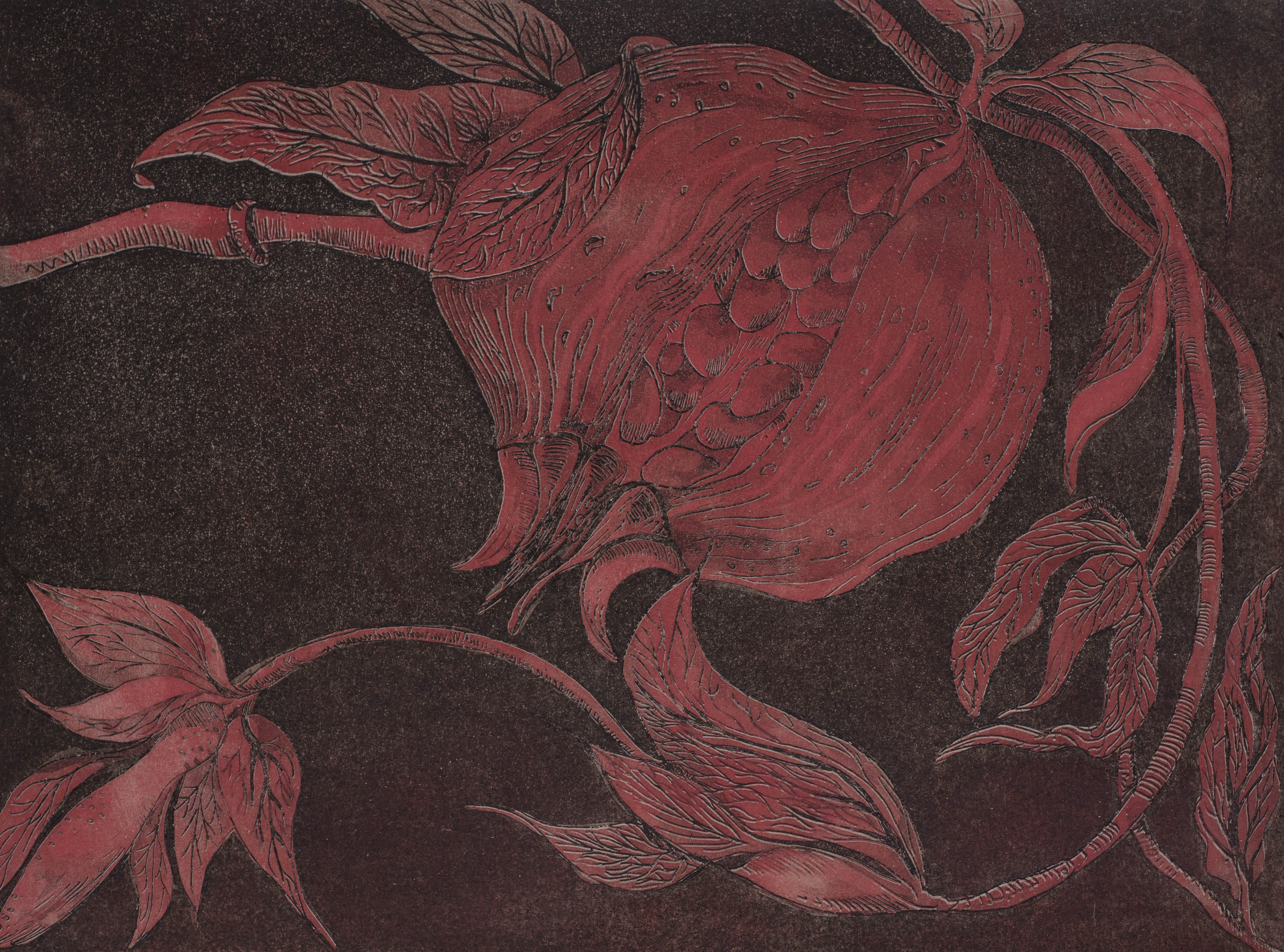
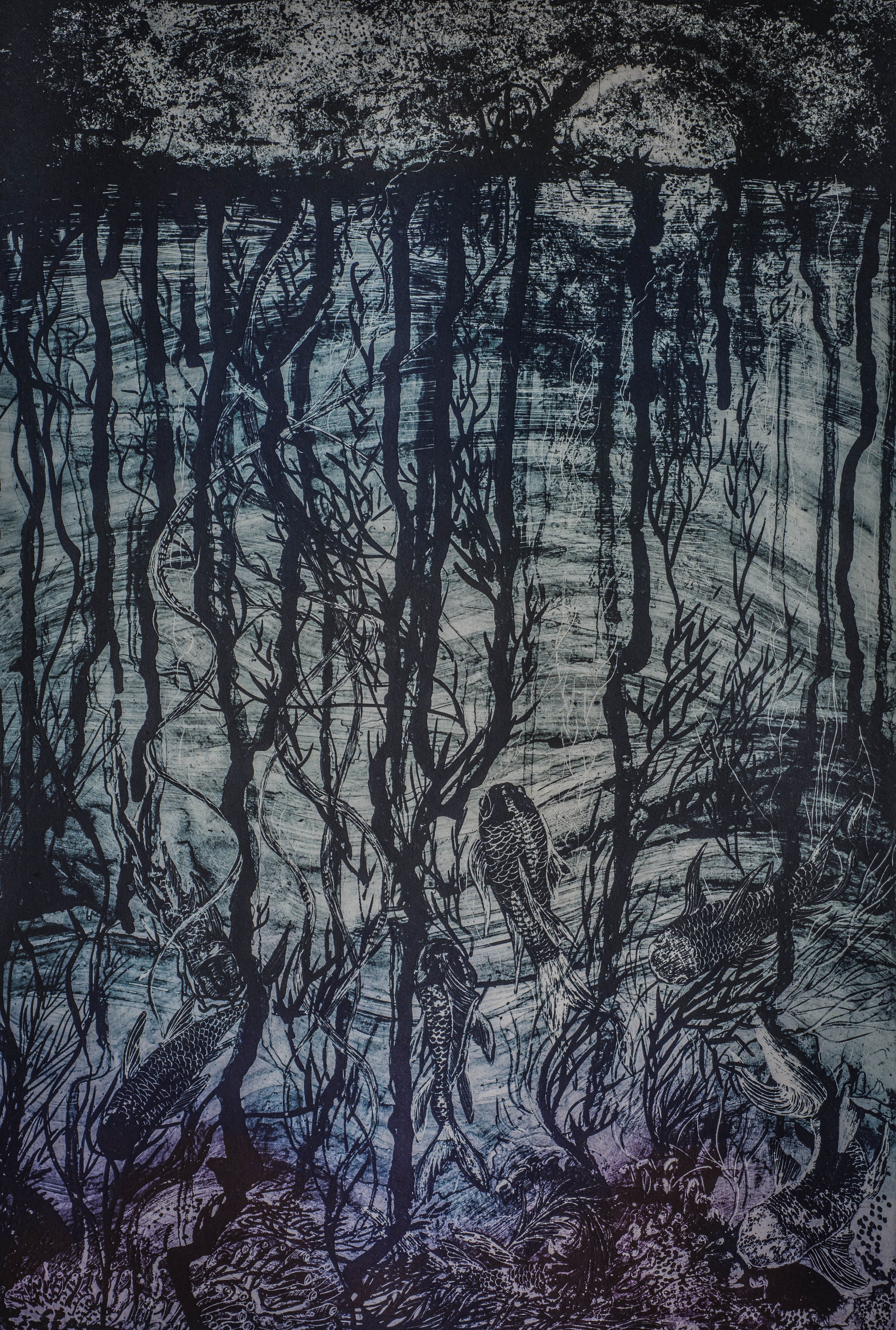
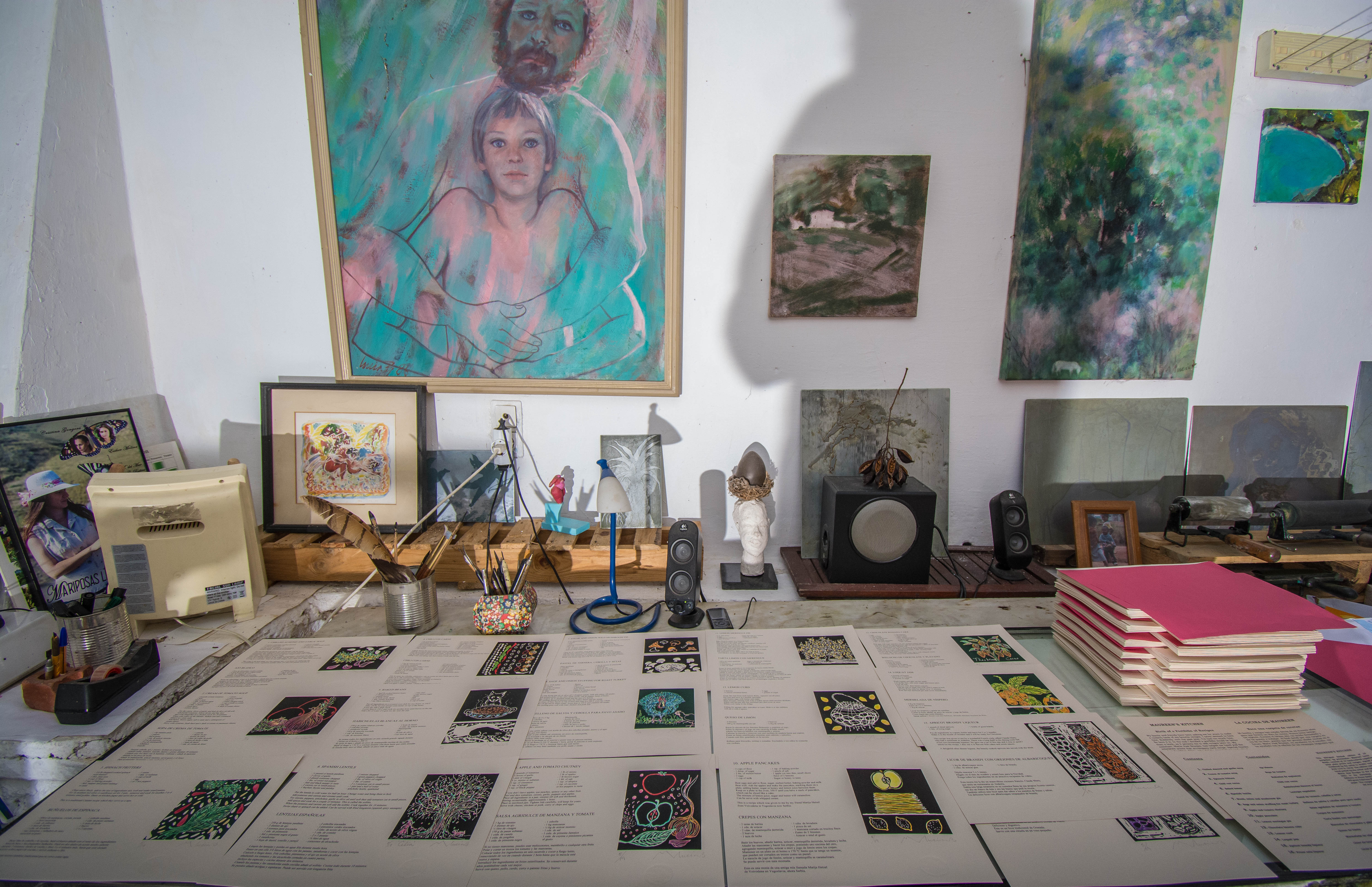
It’s there that I propose to invite you one weekend during these Christmas holidays (which last 14 days in Spain). There we can sip a glass of village wine together, chat and have a look at some of my work, both paintings and prints. You’ll have the opportunity to discover some new work and some half-forgotten stuff lying in boxes and drawers for decades.

How would you feel about the weekend of December 17, 18 and 19? The address is: Ctra. Güéja Sierra 10, 18191 PINOS GENIL. You can best park in front of the big warehouse with the red and green facade just before arriving at our house. Then it’s a date? I would love that. Hours: mornings 11:00-14:00, afternoons 17:00-20:00. Phone: (34) 605 341 632.

P.S. It’s not easy to get lost, but if you do just ask for “la casa de la pintora.” Once someone got lost and stopped to ask their way. The reply was: “Oh, you’ve got the wrong village. The one you’re looking for is six kilometers down the hill and to the left.”

Photos by Mike Booth

(Follow this link to see a big display of photos. The text is in Spanish but the pictures are in English.)

Thanks for following, commenting and, above all, sharing.

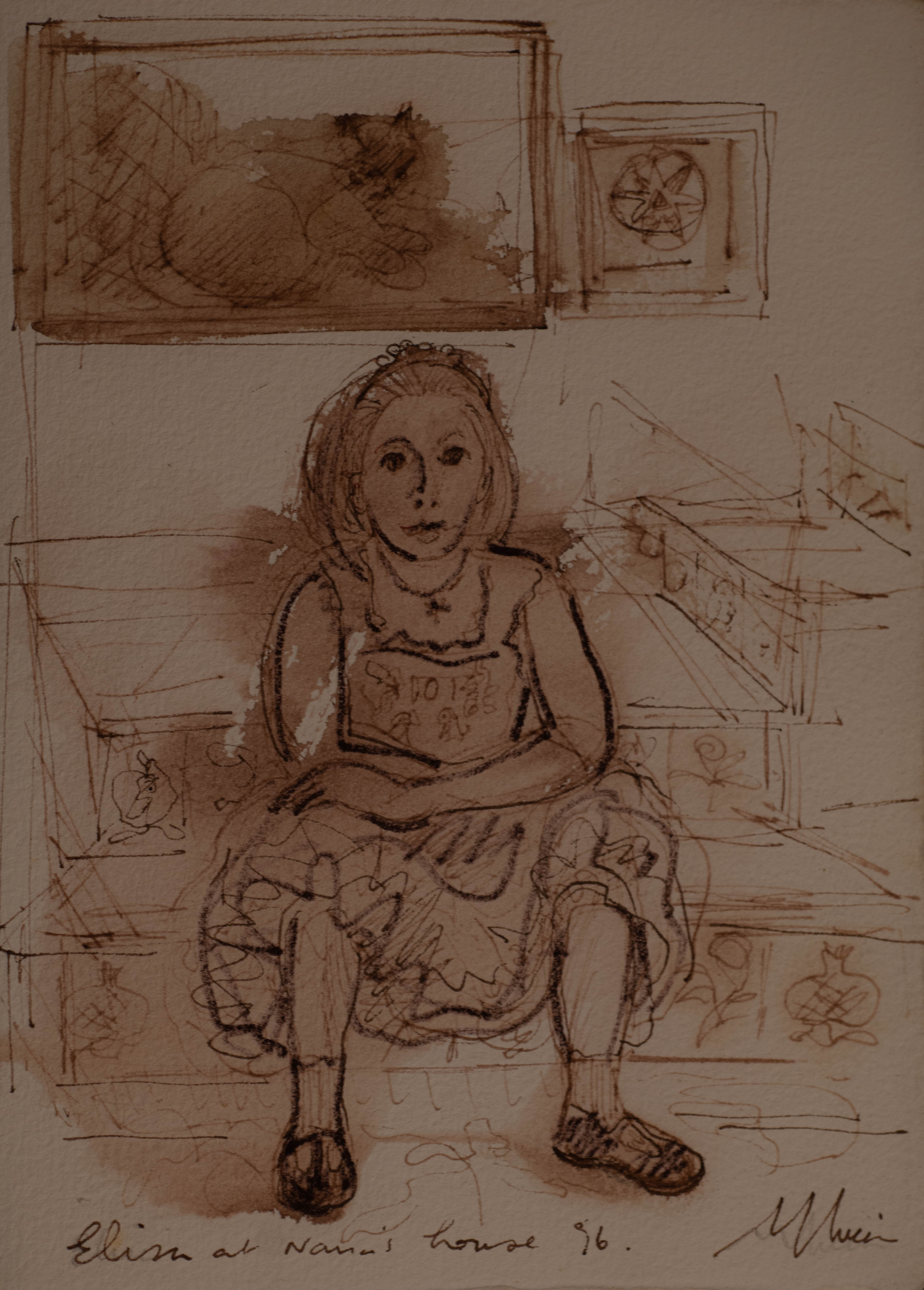
Sketchbook Nostalgia 1

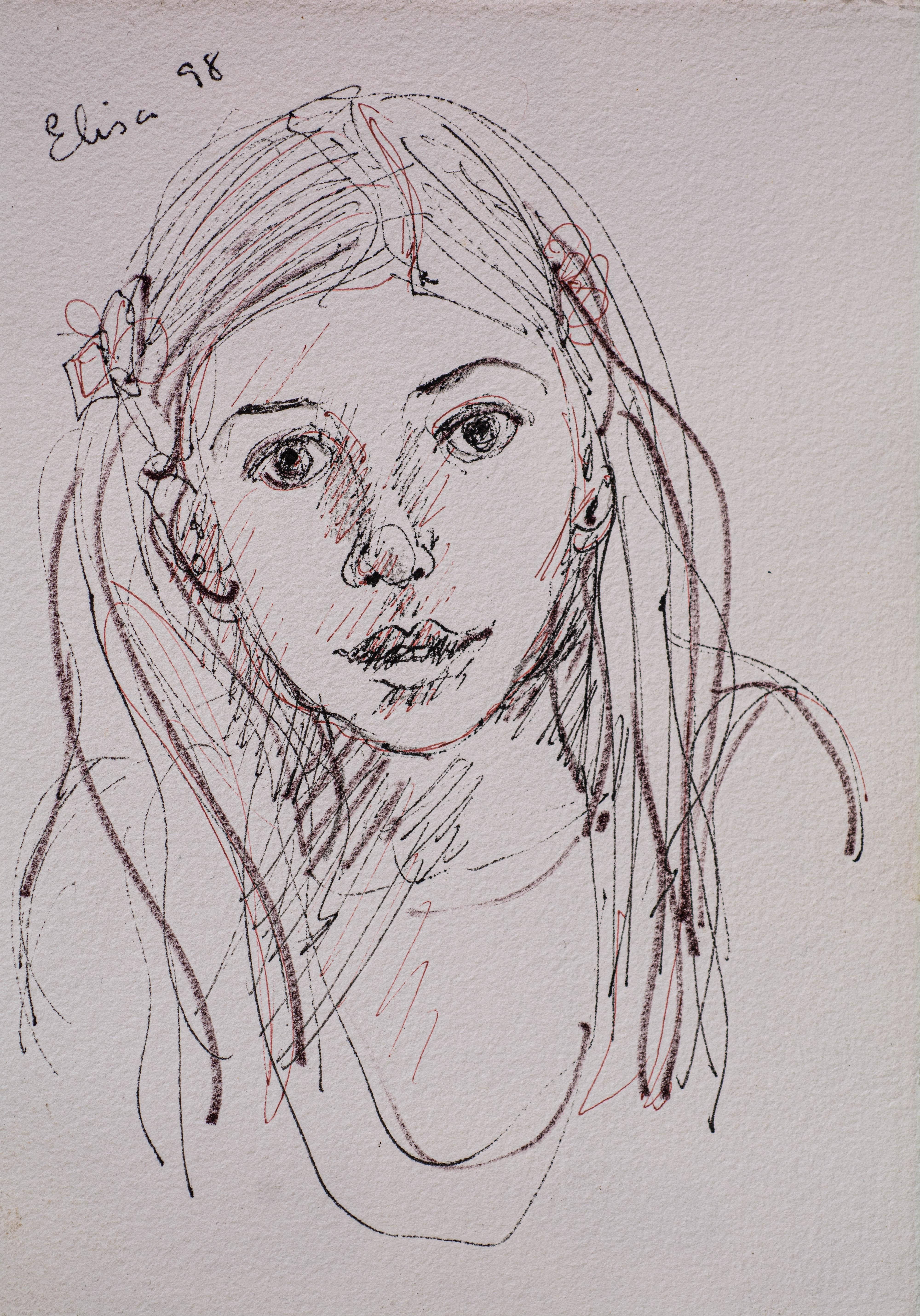
Our granddaughter, Elisa, age about ten. She later
got a fine-art degree from the University of Granada.

.

The Sketchbook Copy Project

For years my husband has been threatening to photograph the content of all my sketchbooks. But first we had to find them. One of the fringe benefits of the new shelves from heaven was that a lot of old sketch books turned up. Mike got inspired. He snatched the first book from the top of the pile and took it into his goat-shed studio. A couple of hours later I pay him a visit and he’s teetering on top of a ladder peering through a camera mounted on a copy stand. It turns out that, in order to photograph the larger books he has to raise the camera pretty high. I protest. He replies, “Don’t worry, it’s not dangerous once you get the hang of it.” This is why women live longer than men.

Mike’s intention is to photograph all the sketchbooks and post them here one by one. The photographs in this post are the result of his first trials.

Meanwhile, I get to talk a bit about the importance of sketching, whether in pencil, charcoal or watercolours. Your sketches are your roadmap, your compass, your storyboard, and you should not be without them. No, photographs won’t do. You need live drawings. I find it so distressing when art classes from excellent European schools come to my studio and I find the students copying images from the screens of their cellphones. This is a history clash. I’m way too old. They’re way too young. And there’s no middle ground.

This necessity to have sketches obliges you to make them. For that you have to be prepared at all times. The greatest images appear at the most unlikely–and inconvenient times. So I urge you to get in the habit of carrying a bag with your current sketchbook and pencils, and watercolours if you’re so inclined. At first it will feel cumbersome and conspicuous. Later it will become part of your person. And you will notice the boost it gives to your work. In this recent rediscovery of my sketchbooks I have more that once been tempted to sit down right then and there and turn a 20-year-old sketch into a brand new print.

I could go on and on, but I’ll leave you with the photographs. I’ll be posting more regularly–if my photographer doesn’t fall off the ladder.

.

.

Thanks for following, commenting and, especially, sharing.

Shelves from Heaven

.

A Fortuitous Find

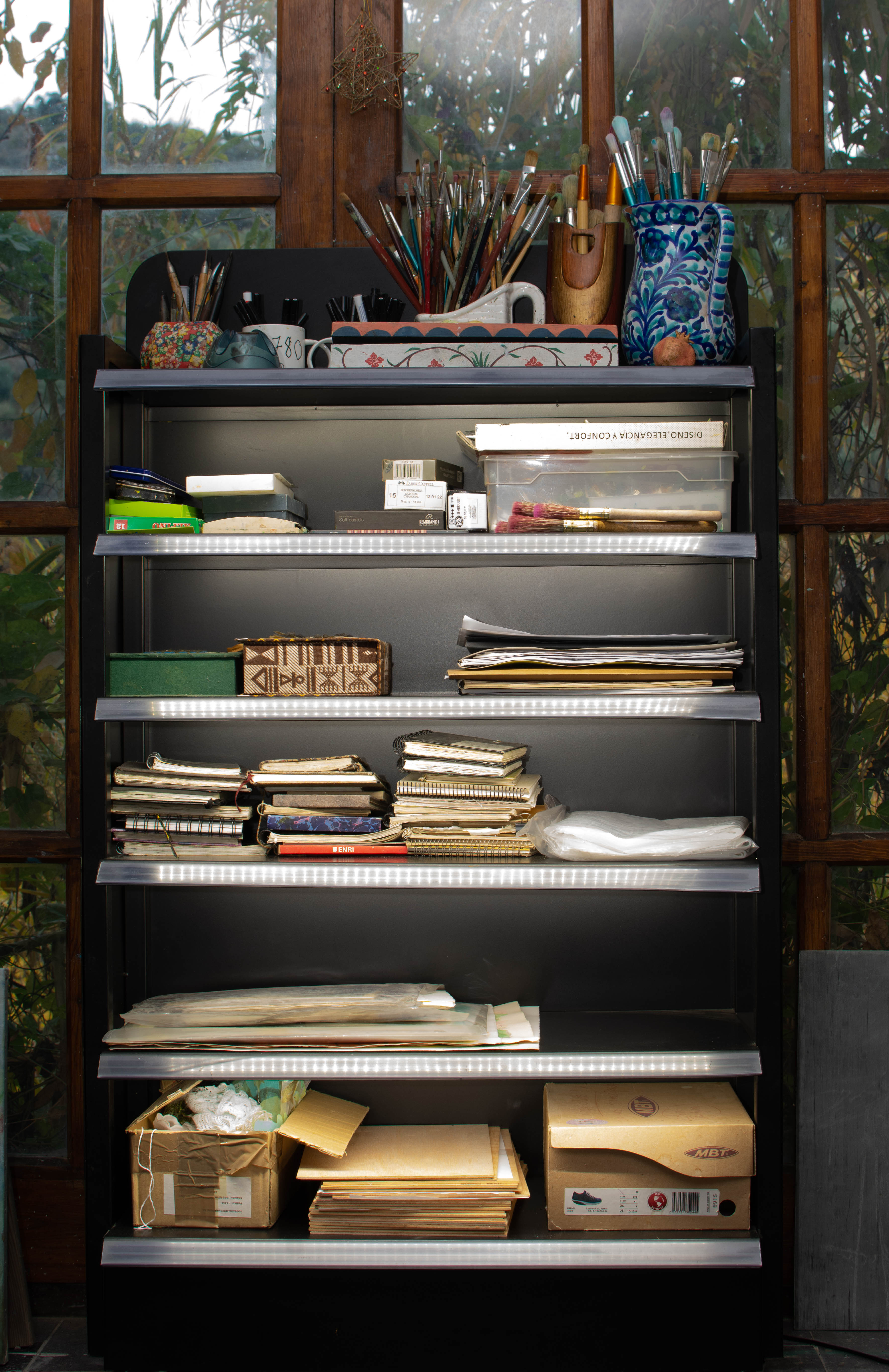
Mike was on his morning walk the other day–in an elegant subdivision, as it has a mile-long uphill section–and discovered this metal shelving in a rubbish tip. It fit in the back of the car with a centimeter to spare on each side. He noticed, as he was loading it into the car, that it had an electrical cable with a plug on the end. He wondered why shelves need a plug.

When he got it home, down the steps(!) and installed in the studio he plugged it in. It lit up like a Christmas tree. It has a strip of LED lighting on the inside of the plastic strip on the front of each shelf. Of course, it was a display case. Now it’s a lovely, orderly space for the things in my studio which have always been hard to find: sketchbooks, special papers, pencils and paintbrushes… If you’re a printmaker you’ll know what I mean.

So, if your husband goes for morning runs/walks, suggest that he do it in an affluent neighborhood.

All the best,

Maureen

Text and photos by Mike Booth

An Interview with Pakistani Artist/Educator, Iram Wani

Iram teaches printmaking at the National College of Arts in Rawalpindi, an hour’s drive from her home in Pakistan’s capital, Islamabad. Last spring the school administrators, conscious of the health hazards and other inconveniences of working with nitric acid, commissioned Iram to search for a professional printmaking studio that used non-toxic techniques, to go there for a month and bring back, first hand, the secrets of not-toxic printmaking. Iram knew where to go.

Eight years ago, in the fall of 2013, she had spent two weeks working with Maureen in her studio in the foothills of the Sierra Nevada mountains, outside Granada. Iram, asked how she happened to choose such a far-off place–there are a lot of printmaking workshops between Islamabad and Granada–replied: “I had heard about an English printmaker who did workshops in Spain, so I googled “printmaking courses Spain.” The first half dozen references were to “Maureen Booth, Pomegranate Editions, Granada.” (I later learned that “pomegranate” is “granada” in Spanish, so the city and its province are named after a local fruit.) After following the website for a few months I was impressed by the artists–from all over the world–who worked with Maureen. Also, Maureen spoke English. I had no knowledge of Spanish, but I did have a visa for Spain. That’s how I got here the first time.
.

Iram’s work in Maureen’s studio was productive from day one.

.

.

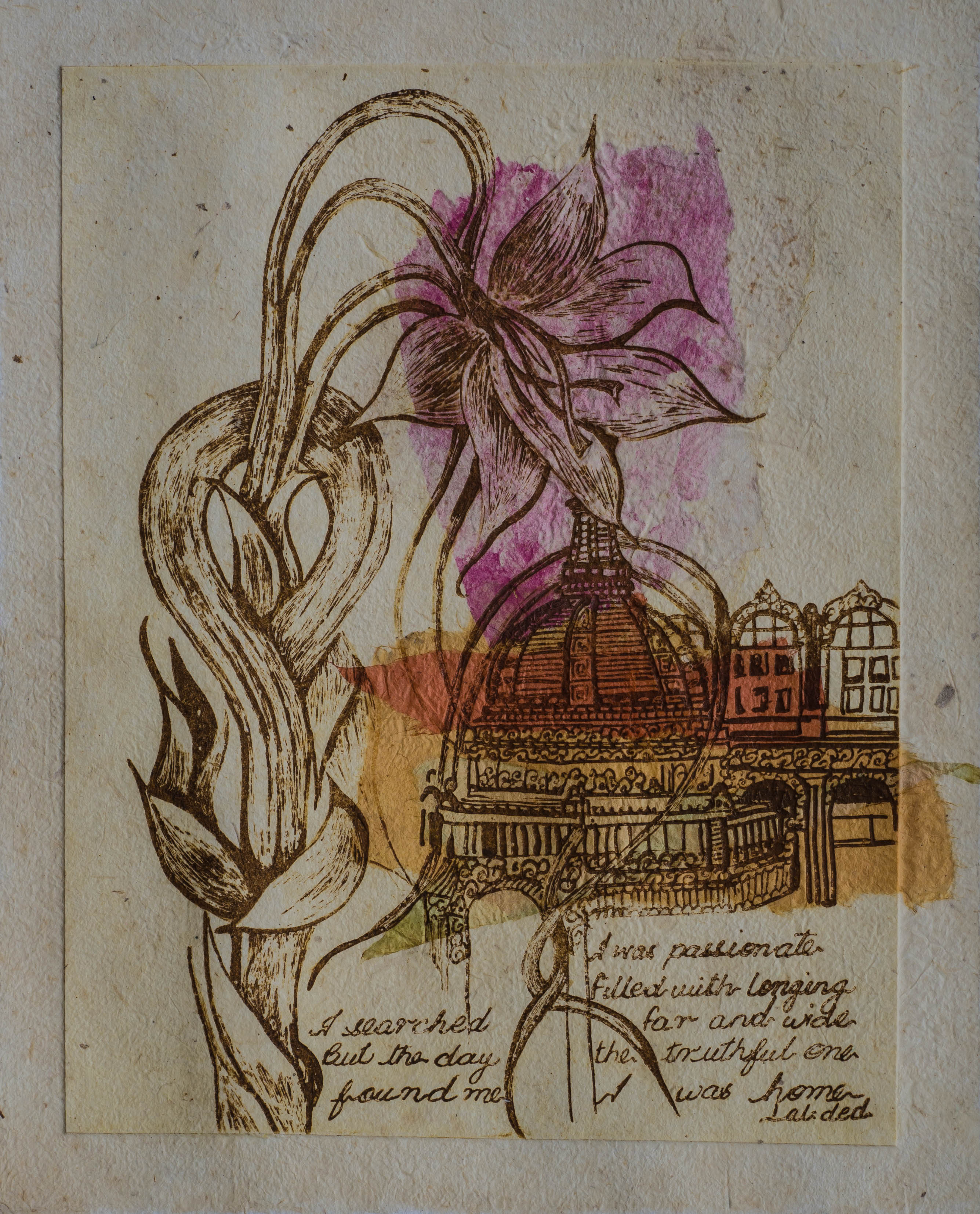
The following is just some of the work Iram produced when she was here.

.

This interview took place on October 27, less than a week before Iram was to catch the plane home from the Málaga airport.

Q: What were you hoping to accomplish on this second visit, Iram?
A: I hoped to gain an intimate hands-on knowledge of the non-toxic procedures that Maureen uses in her work, both solarplate and liquid metal techniques.

Q: Did you manage during your stay to achieve any part of this very big assignment?
A: I think I have achieved far more. There’s so much to learn from Maureen. She’s a true “maestra” as they say in Spanish. I’m already thinking of coming back. Besides getting a grip on not-toxic techniques I wanted to experience the procedures and workflow of a well-run studio. I was impressed by Maureen’s insistence on an impeccably clean and well-ordered workspace. You can’t achieve perfect prints without those two factors. I also hoped to create a portfolio of creative non-toxic prints, something I could present to the administrators of the Institute as an example of what can be achieved without acid. And, if the work were to come out exceptional, I will also be exhibiting it. That will be an excellent way of fulfilling my ultimate goal: to introduce non-toxic printmaking in Pakistan.

Q: Were there things that surprised you on your second visit?
A: I think the main thing was just how much there is to learn. Maureen comes up with new secrets every day. I could have learned much more if I had had more time.

Q: You didn’t do any “tourist visits” to the city of Granada, and it’s only eight kilometers down the road. Do you miss that?
A: No, I don’t. Maybe next time…

Q: What do you consider your principal achievement in this month-long workshop.
A: I guess I could sum it up by saying, “truly living the life of an artist for one intense month.”

Q: Can you take that living-the-life-of-the-artist home with you?
A: I can try.

Q: Do you expect your work, and perhaps your life, to change when you get home?
A: It’s changed already. I’ve learned from the master how things should be done.

Q: Did Maureen’s Gallinero artist’s cabin with its big workspace, solitude and tranquility, contribute to your experience?
A: Yes, I was perfectly relaxed. It’s peaceful, truly an artist’s place. I can’t remember sleeping so deeply. Also, I have bad headaches at home. I don’t get them here at all.

.

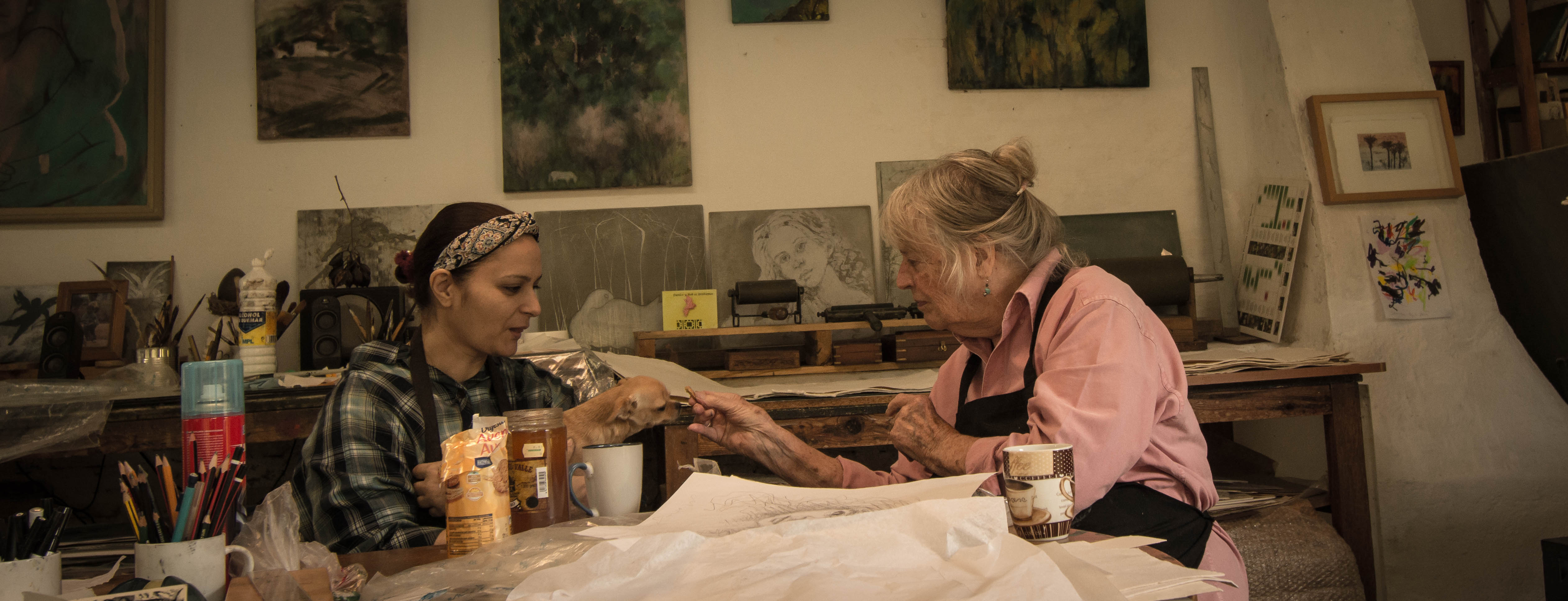
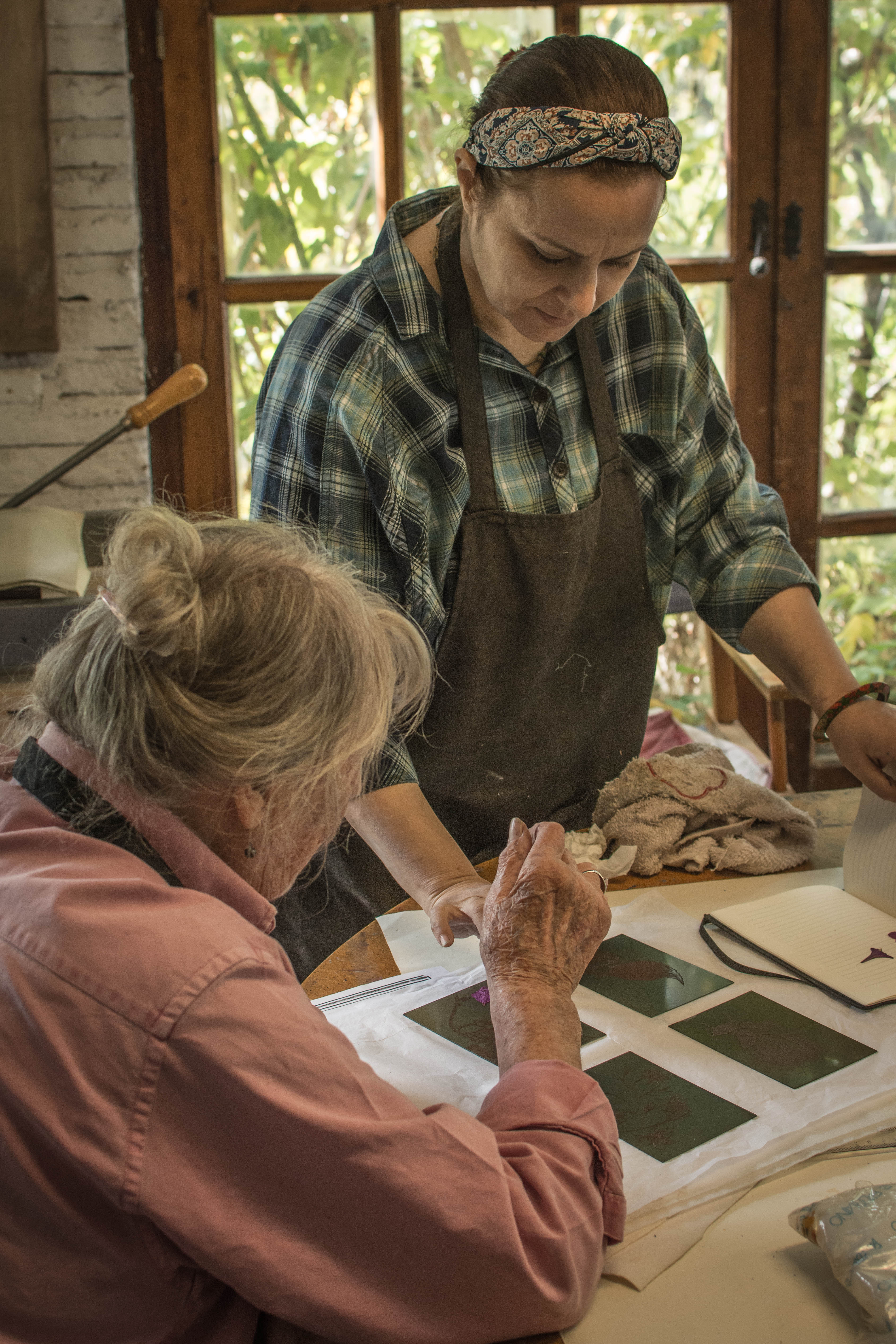
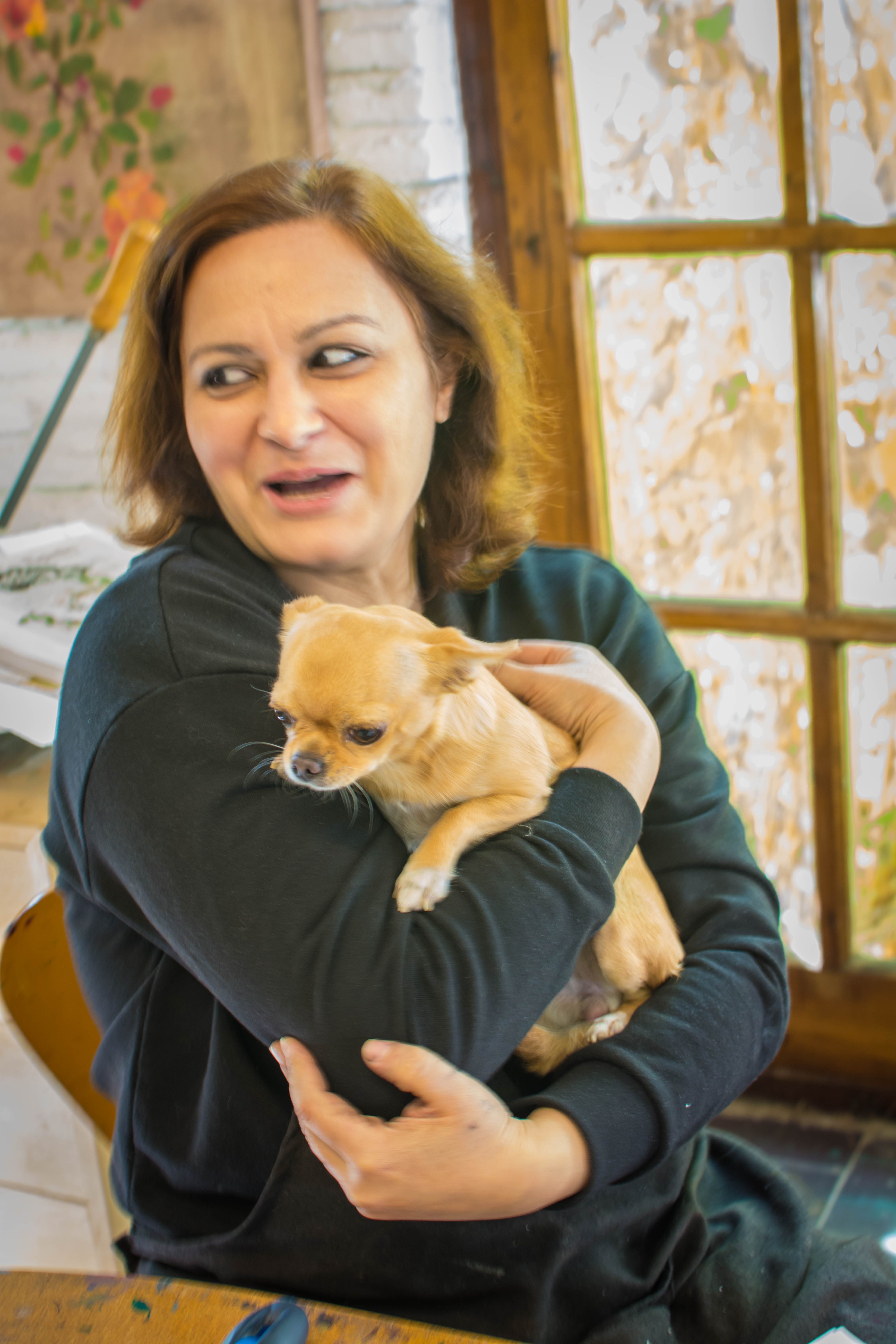
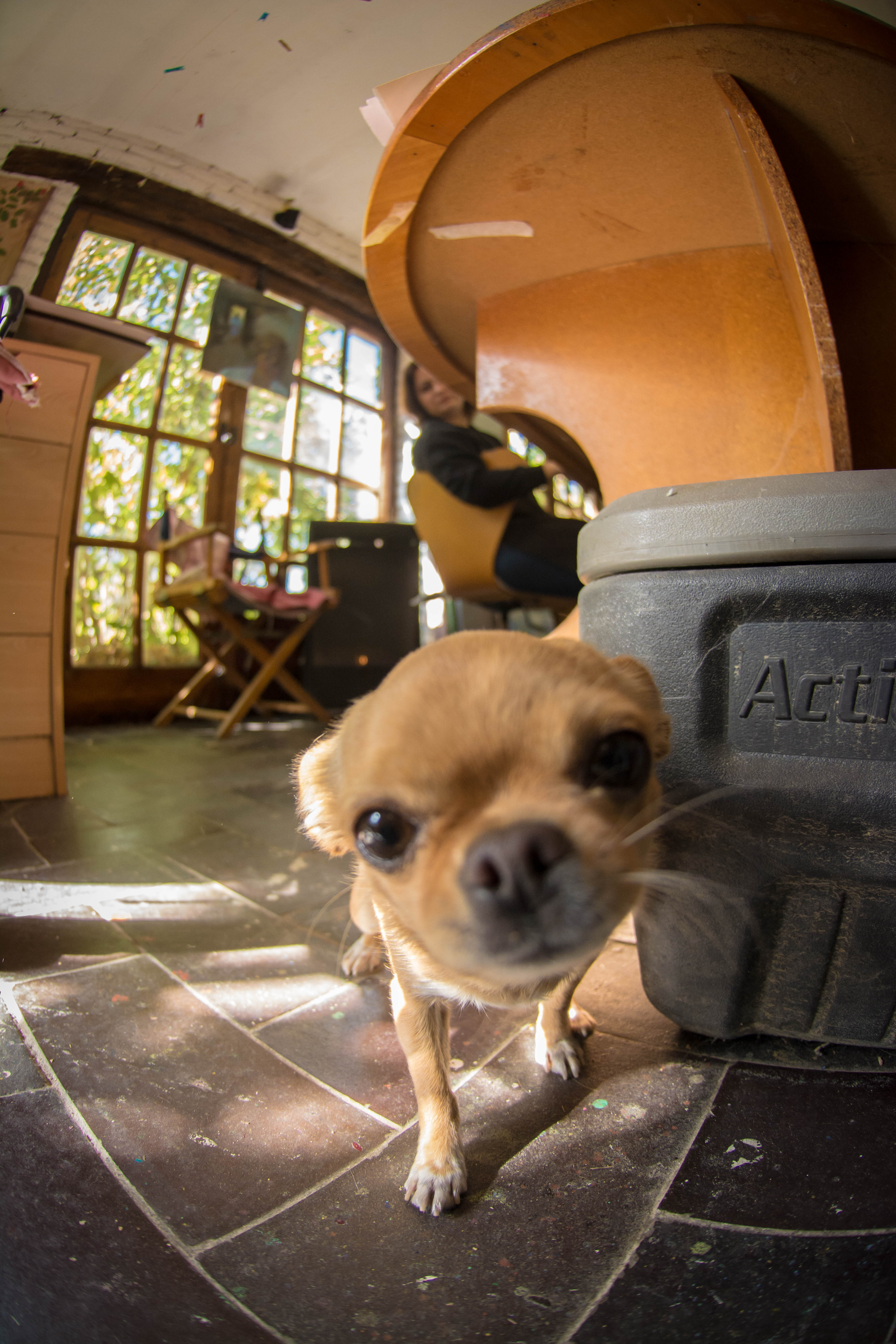
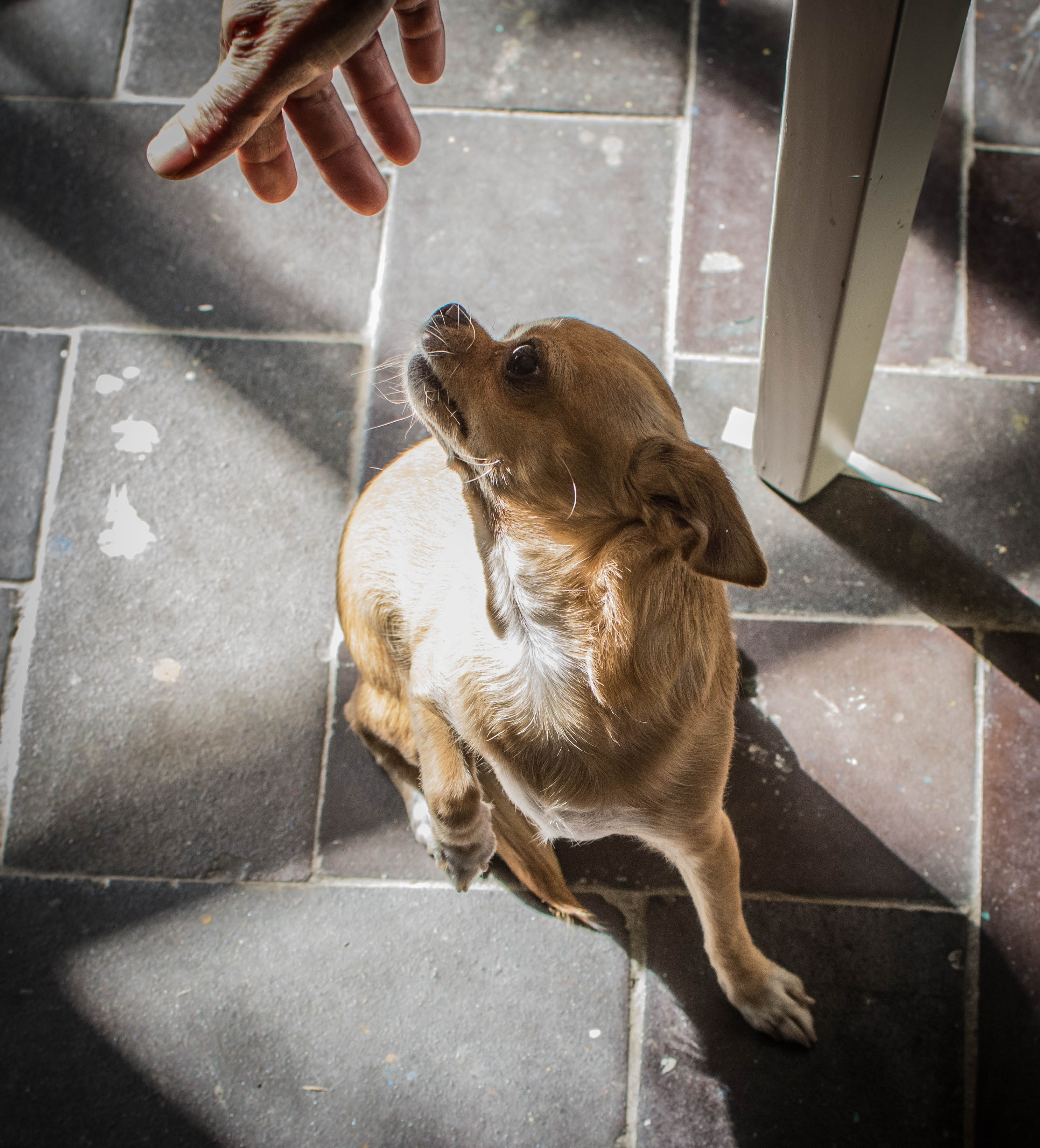
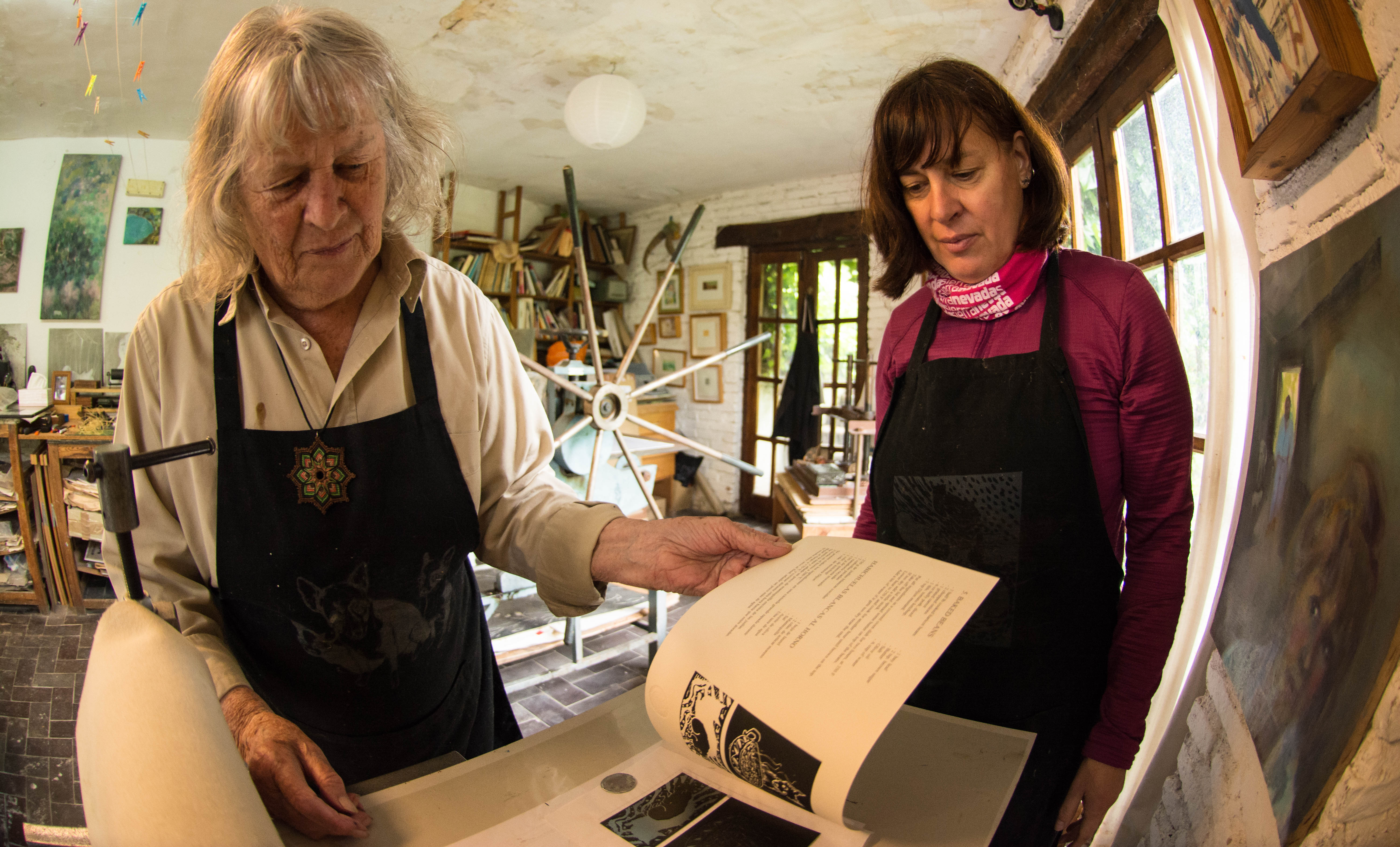
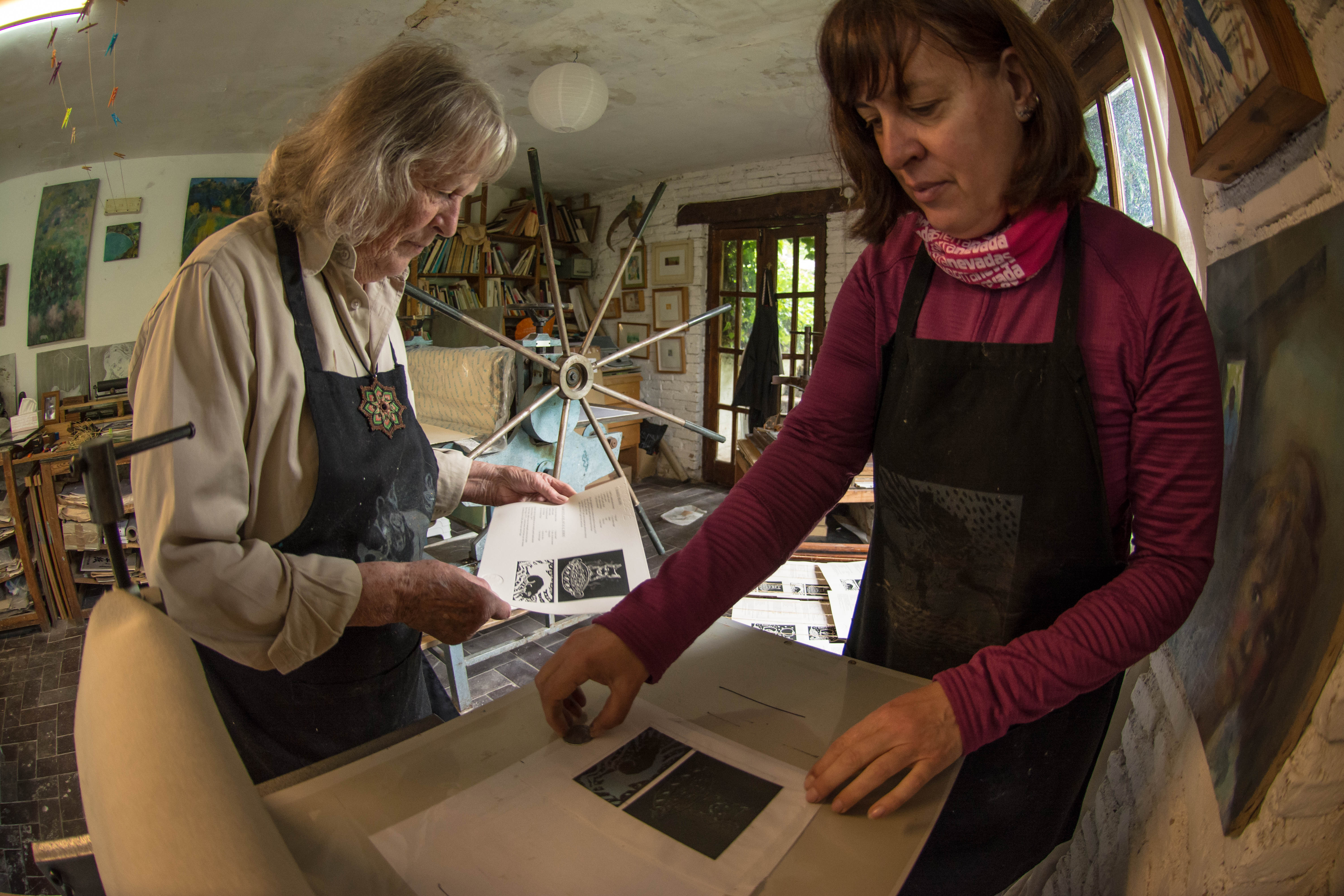
Maureen’s assistant, María José, came in a couple of days to help Iran and Maureen print up the plates Iram made during her stay. Diva only weighs 2.1 kilos (4.6 pounds) but she is always in the studio, supervising everything.
.

###

.

You can see more of Iram’s visit to Granada on her Facebook page, with her own photographs, videos and commentary.

Thanks for following, commenting and, above all, sharing this post.

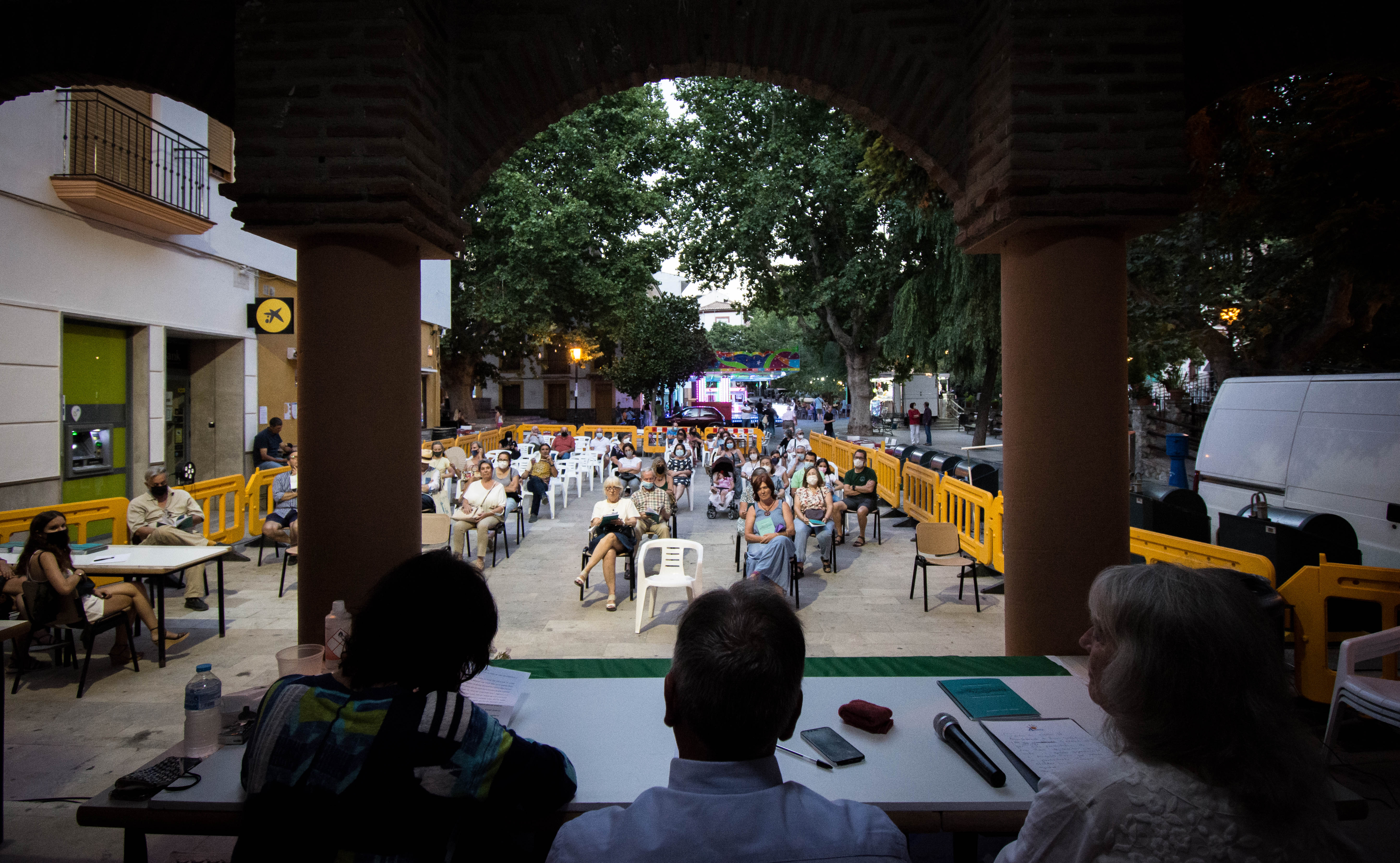
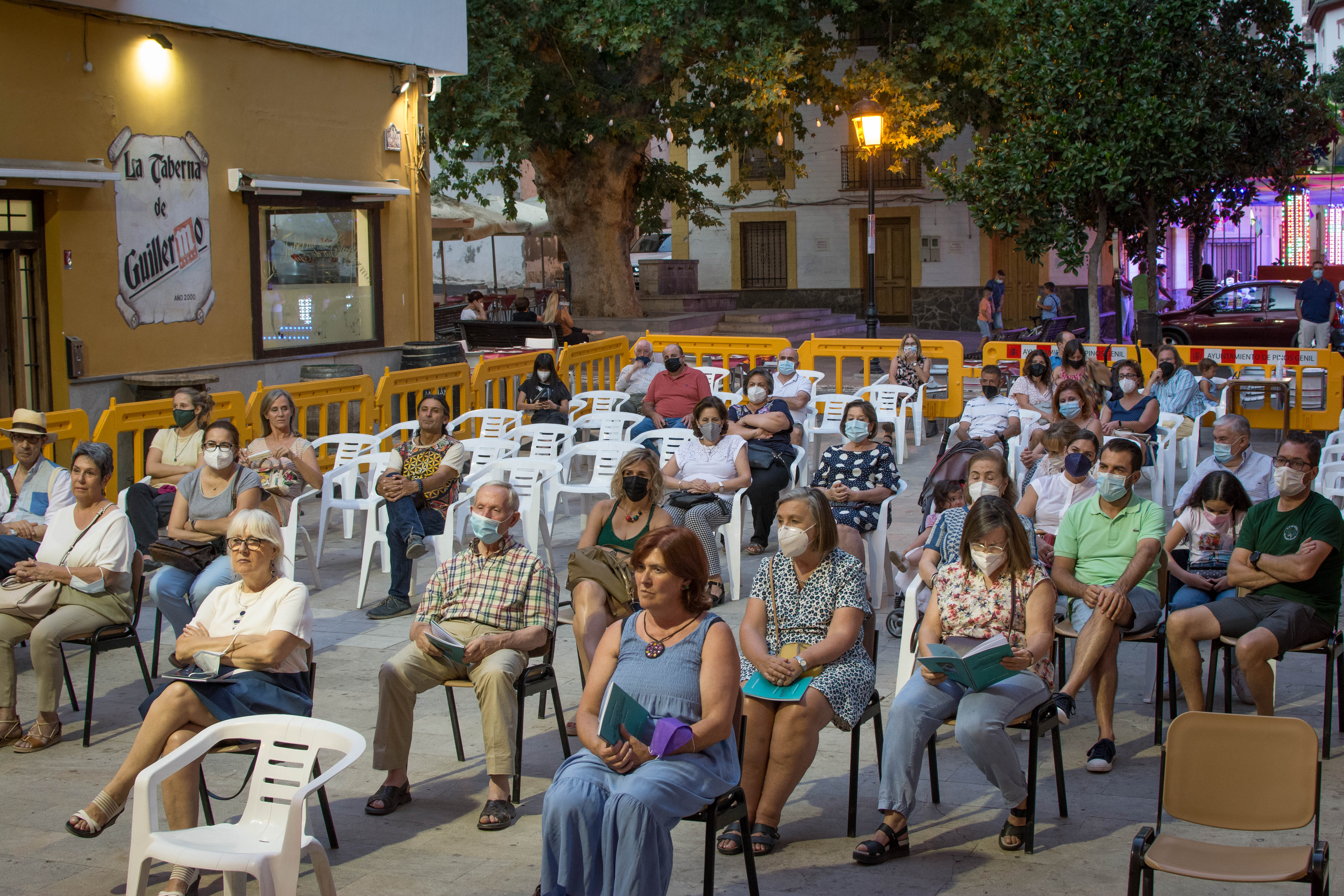
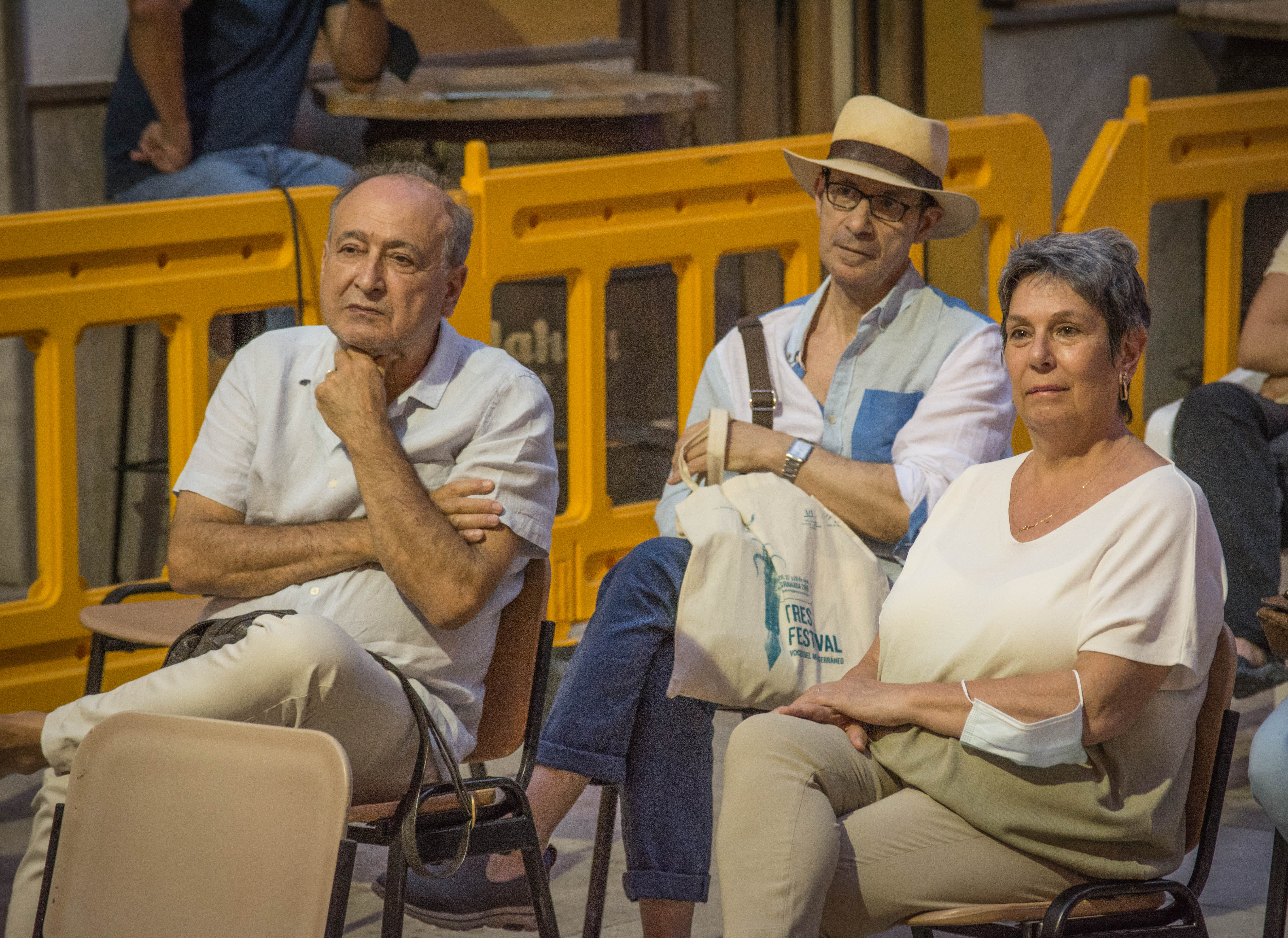
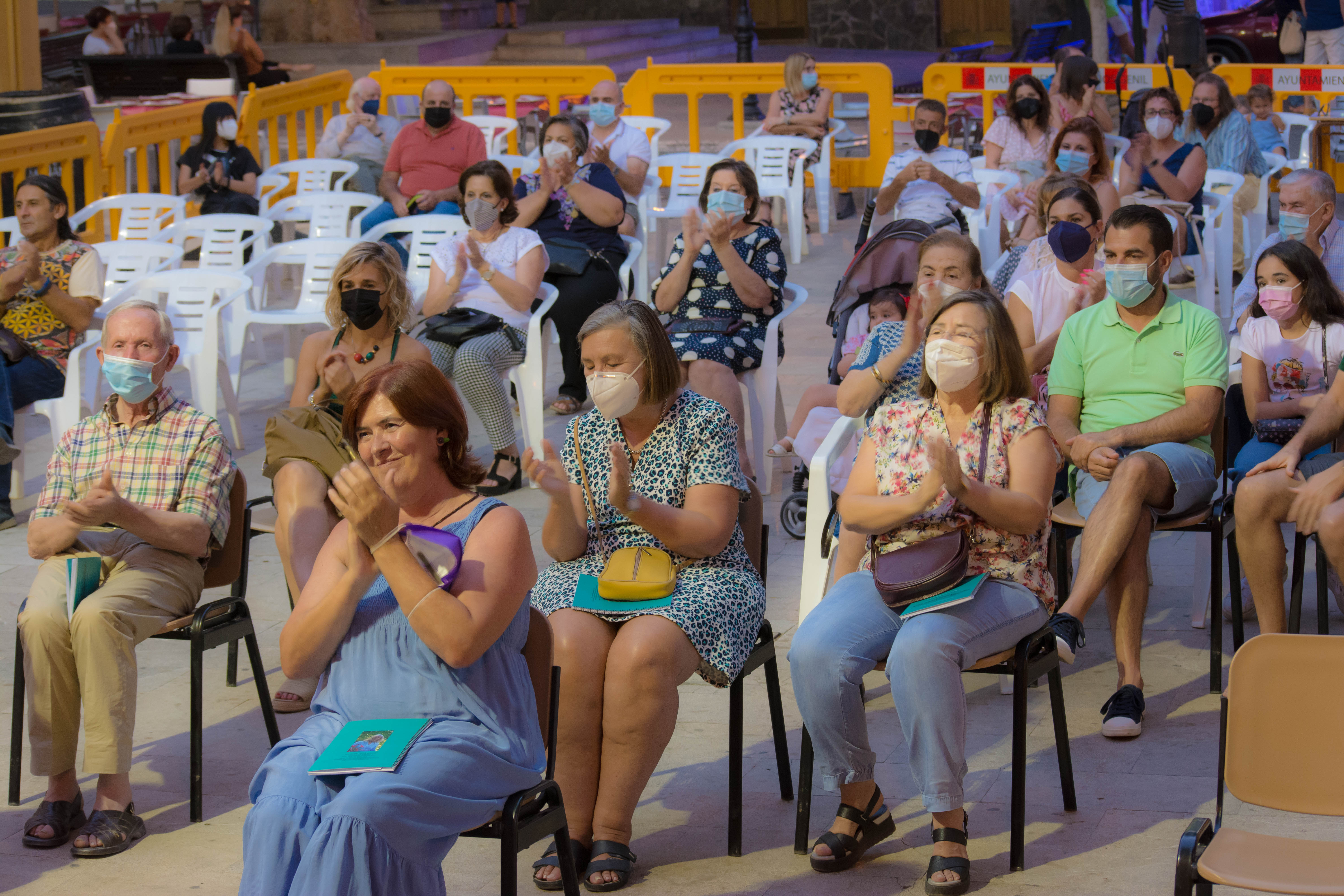
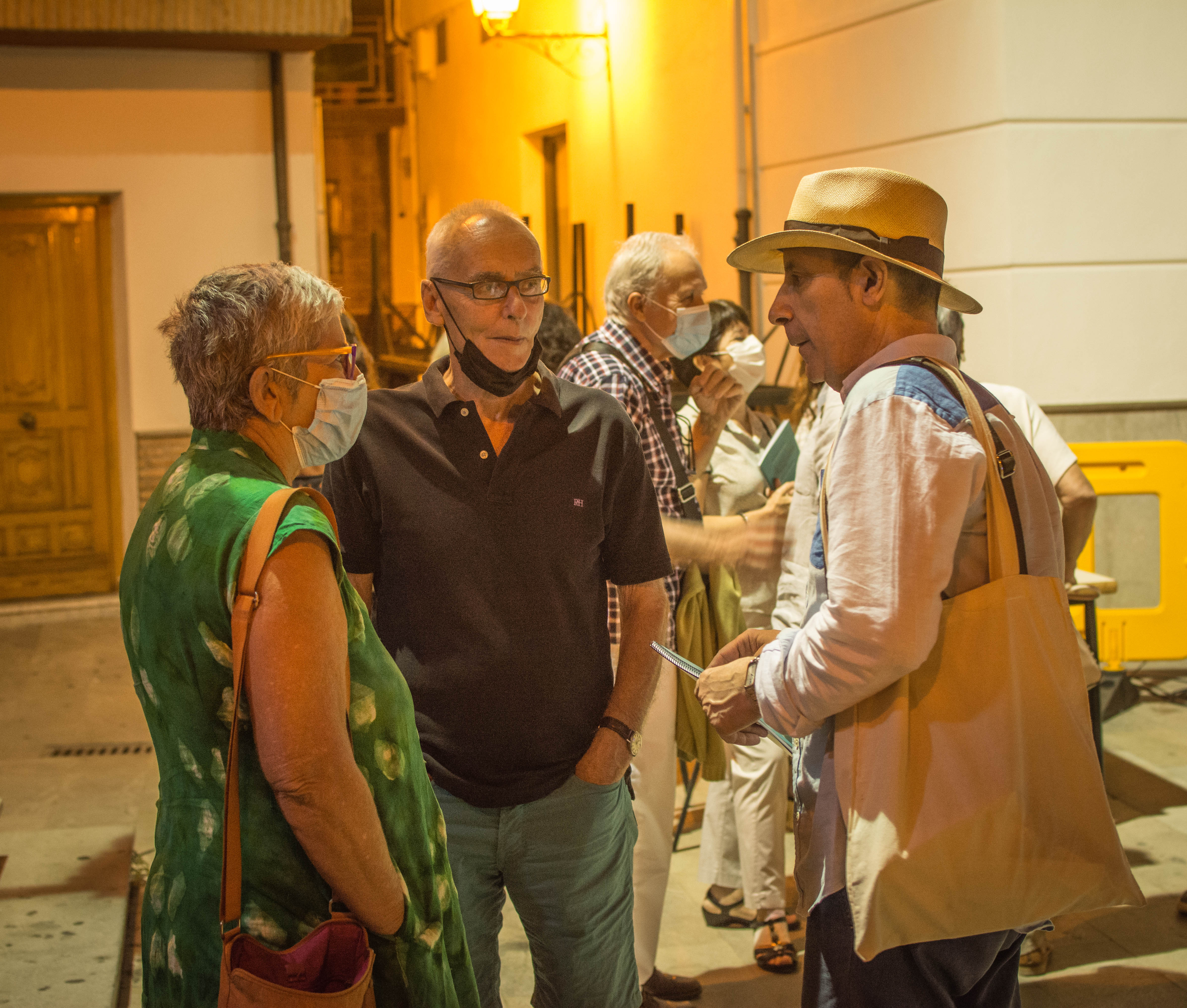
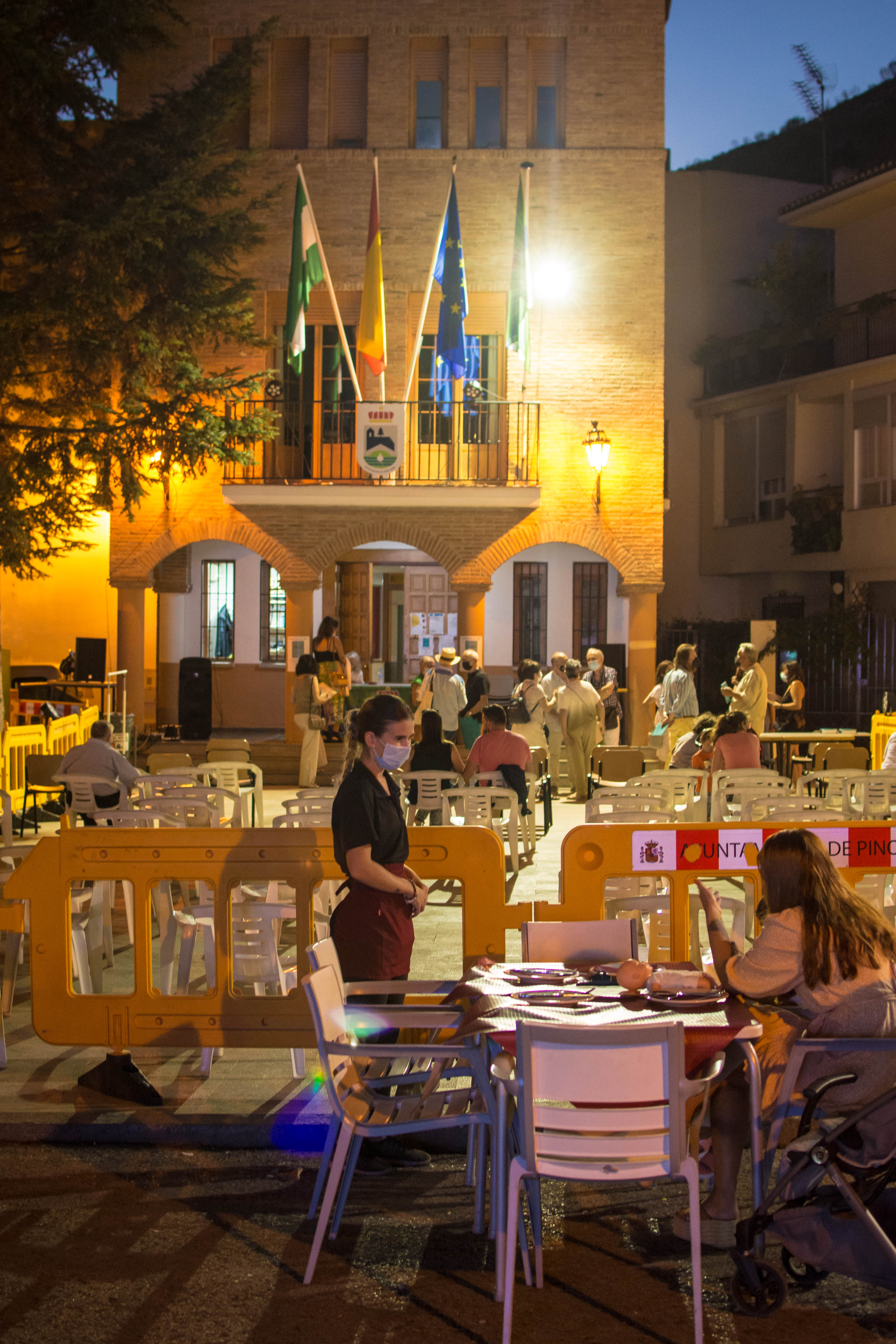
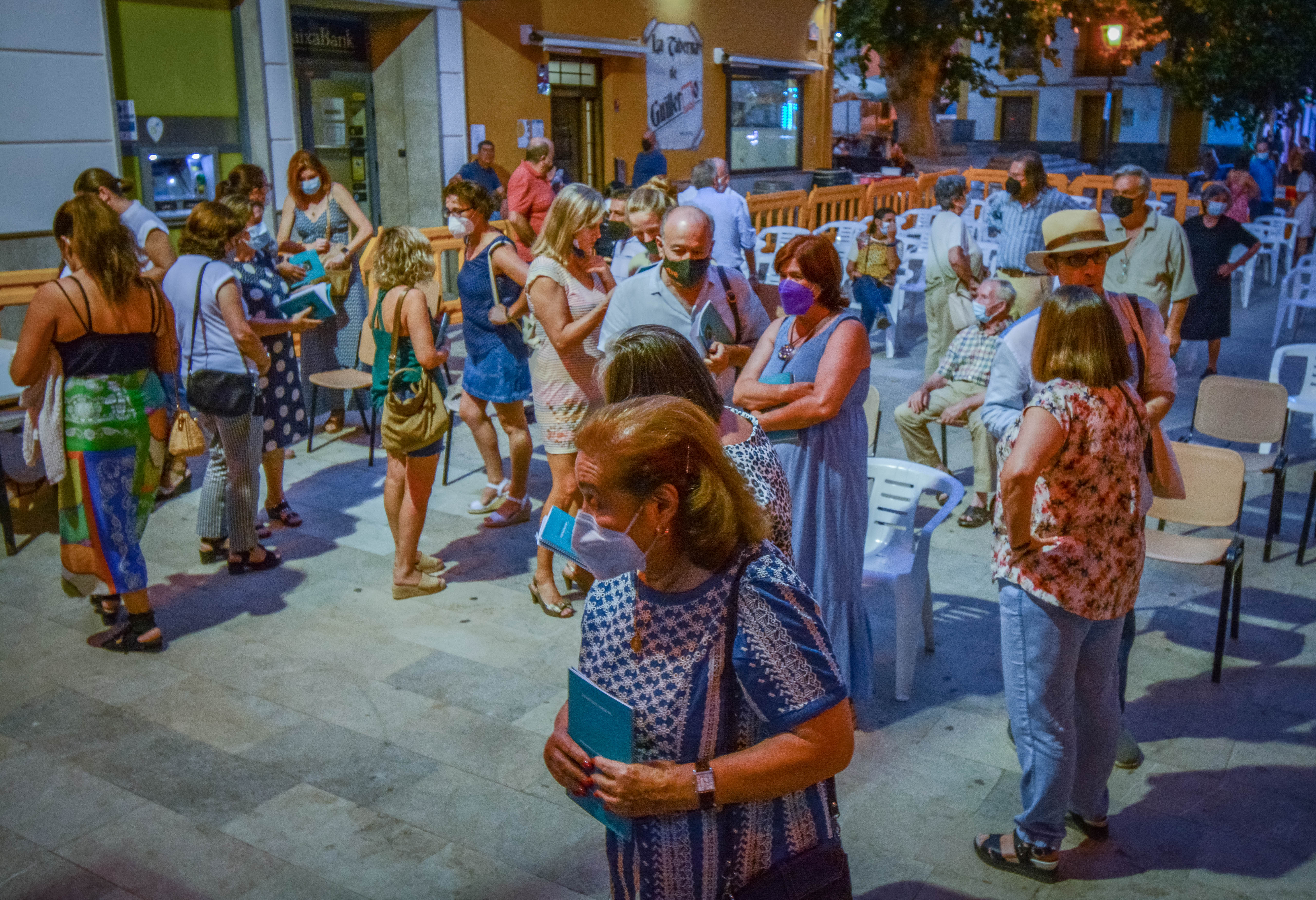
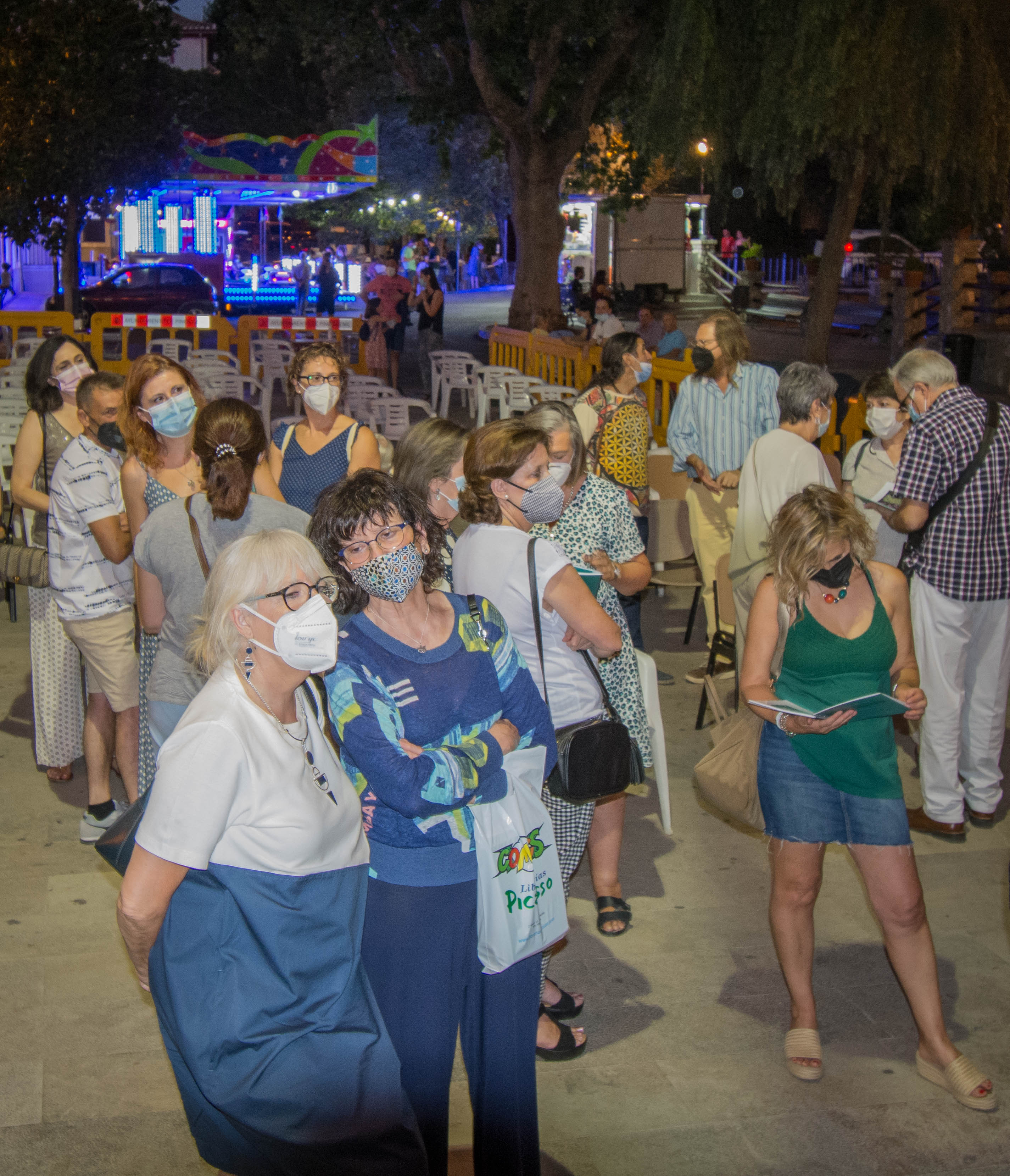
This was an unexpected record turnout here for a book presentation on a weeknight.

It’s the Annual Cultural Week in our Village, the Ideal Time for the Presentation of My New Cookery Book

The release of my little bi-lingual, illustrated cookery book coincided with our pueblo’s annual cultural week, the ideal time to present a new book. If it floats here, who knows, it might float in the rest of the world. Presenting in your own village is a privilege and a challenge. Though you enjoy some pre-existing good will from your friends and neighbors, you don’t want to dilapidate those good vibrations by boring them with pretentiousness or long windedness. You want your story told with agility, grace and brevity.

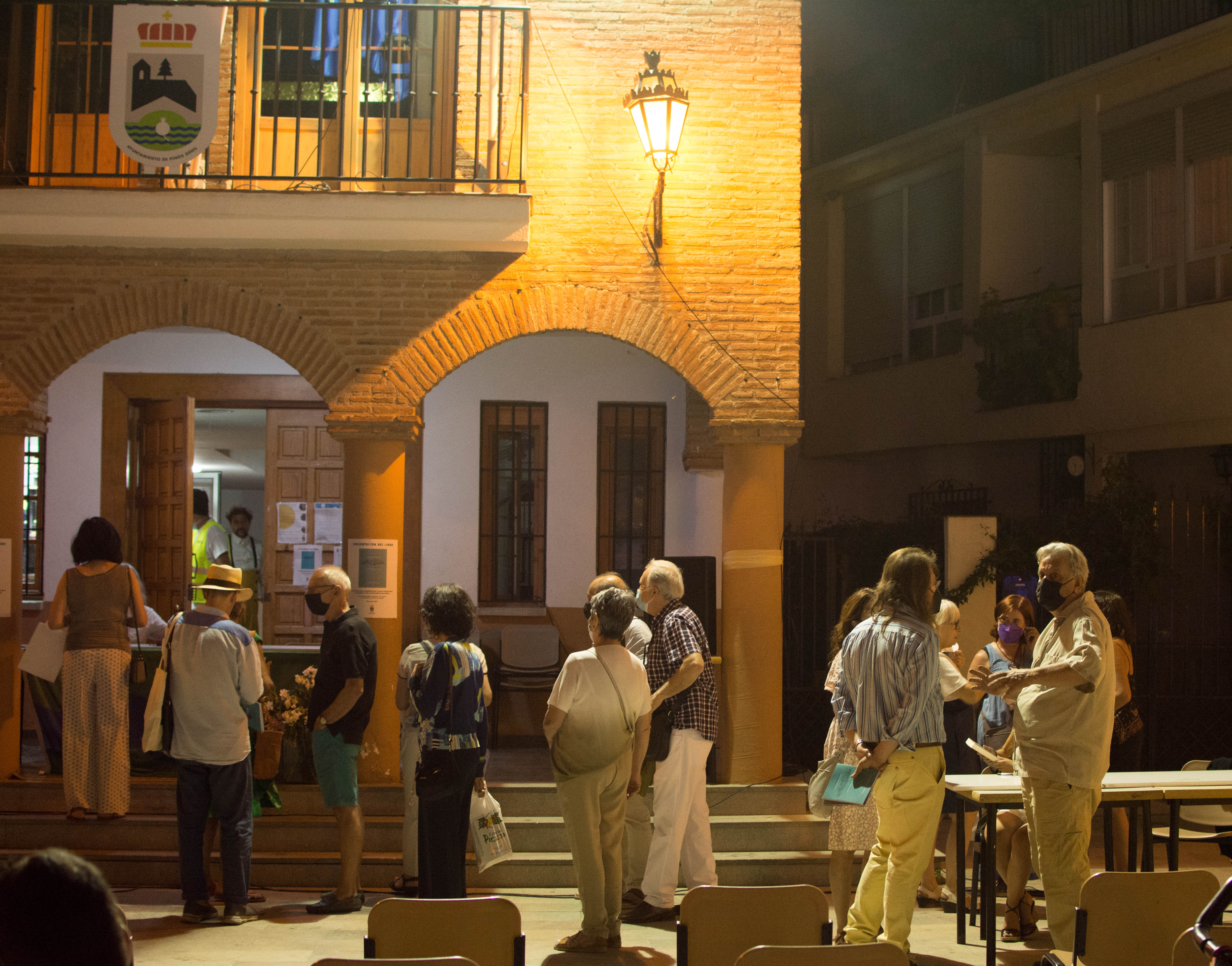
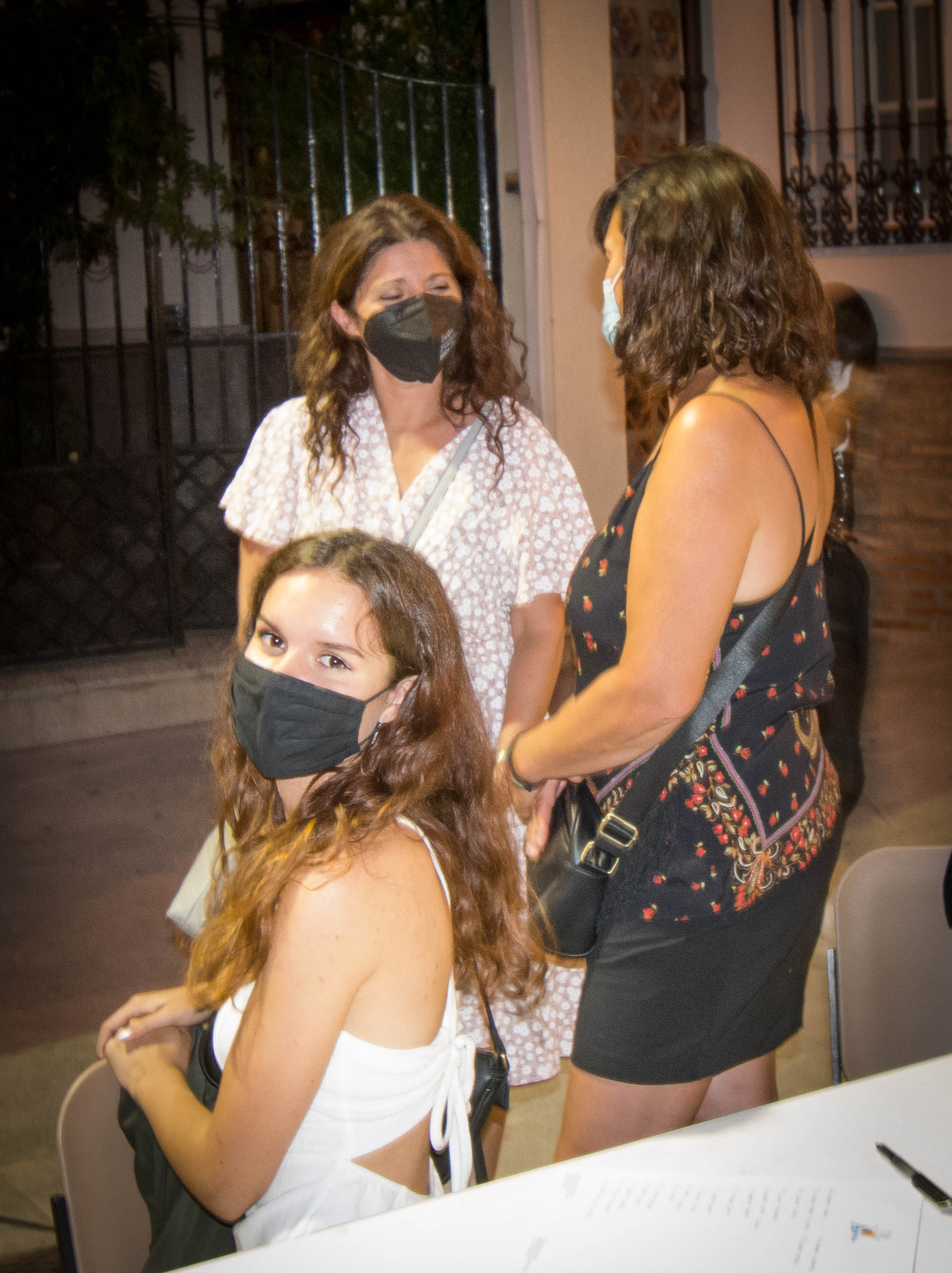
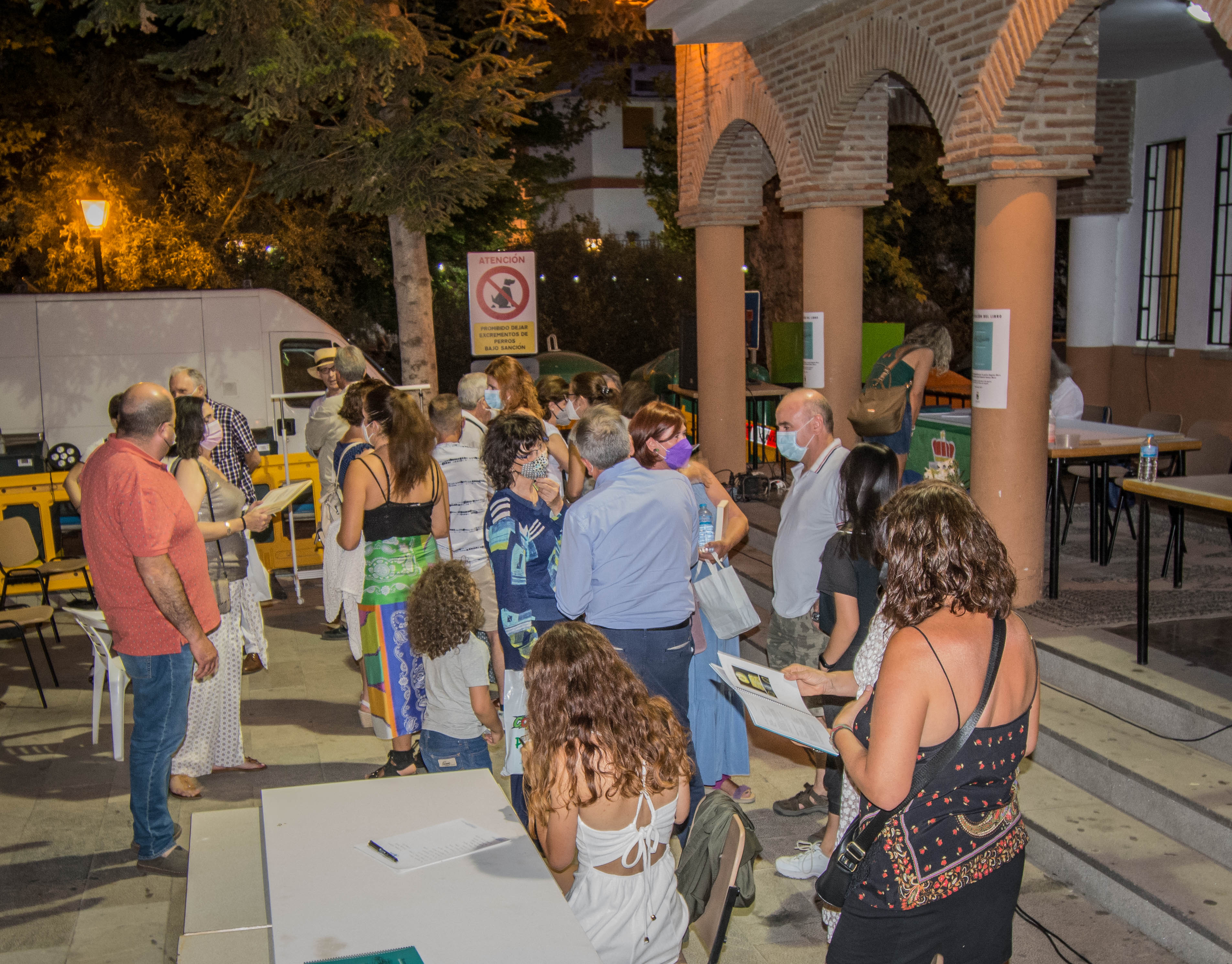
Ideally you want to win over the folks in the plaza to art and good cooking, and if you can sell a few books, that’s OK, too. For that I asked María José, my assistant in the studio, and her daughter, Silvia to attend a table loaded with books for sale. The number they sold was a delightful surprise. Nobody expected an illustrated cookery book to be a best seller. Attendance looked sparce five minutes before the 9:00 pm starting time, but in those brief five minutes the plaza filled up.

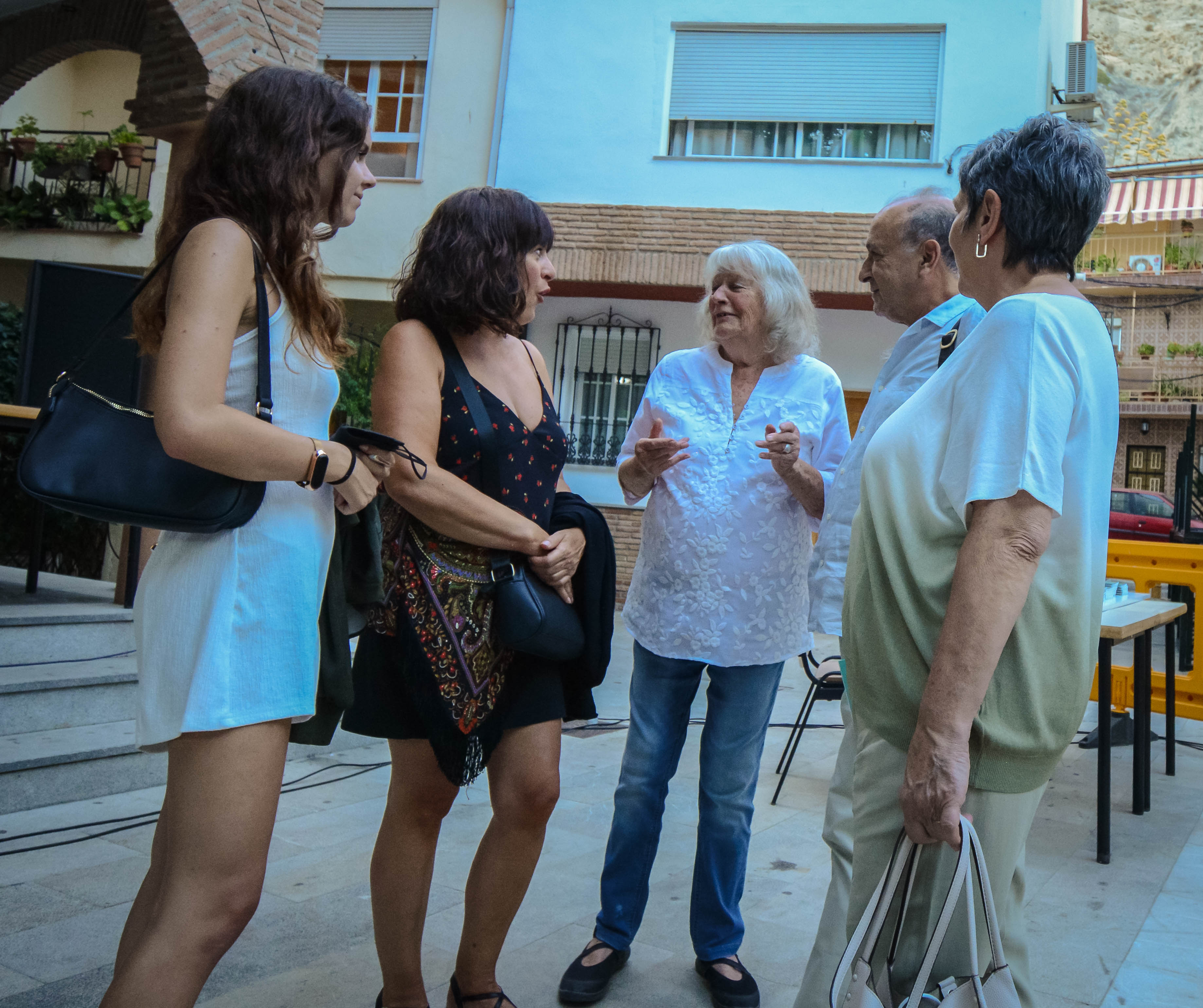
The person I chose to present the book was Ángeles Mora, my dear longtime friend, a wonderful poet and person, who has won two national poetry prizes over the past decade. Ángeles is equally at home in an auditorium full of professors as in a village square, and was ideal for the job, warm and light footed, cultured and homespun. She even read one of her poems that verses on life, love and good eating. I want to translate the last stanza for you: “Apaga la ventana, amor, cierra la luz. Abre la boca.” (“Close the window, my love, put out the light. Open your mouth.”) Gabriel Gómez, our mayor, introduced her and carefully elaborated on her impressive curriculum. When Ángeles finished everybody was refreshed in the head and the heart, and ready for a cold beer. The Pinos Genil village center is the perfect place for that on a summer night.

We, along with a group of 20-some friends, were expecting one of the three bars with terraces on the plaza or the river’s edge to prepare one long table for all of us. But Covid precautions limited each table to just five persons, so we were spread out over five tables. No matter each one created its own fun and everybody stayed late and had a great time. Ours was the exclusively-women’s table where we told hilarious husband stories. Mike’s was the word table with a professor, a librarian, and a journalist. Eduardo, the journalist, came up with the best word of the night: “zorrocotroco.” A zorrocotroco is a hard-headed, inflexible person. He sounds like it, doesn’t he. There are no photos of the post-party. My photographer, with an excellent sense of priorities, dedicated himself to the friends, the beer and the funny words.

I doubt that I’ll have another book to present next summer, but who knows? It’s a lot of fun.

###

Thanks for following, commenting and, especially, sharing.

(Como surgió este librito)

(Ver la versión española a continuación…)

It’s an Offspring

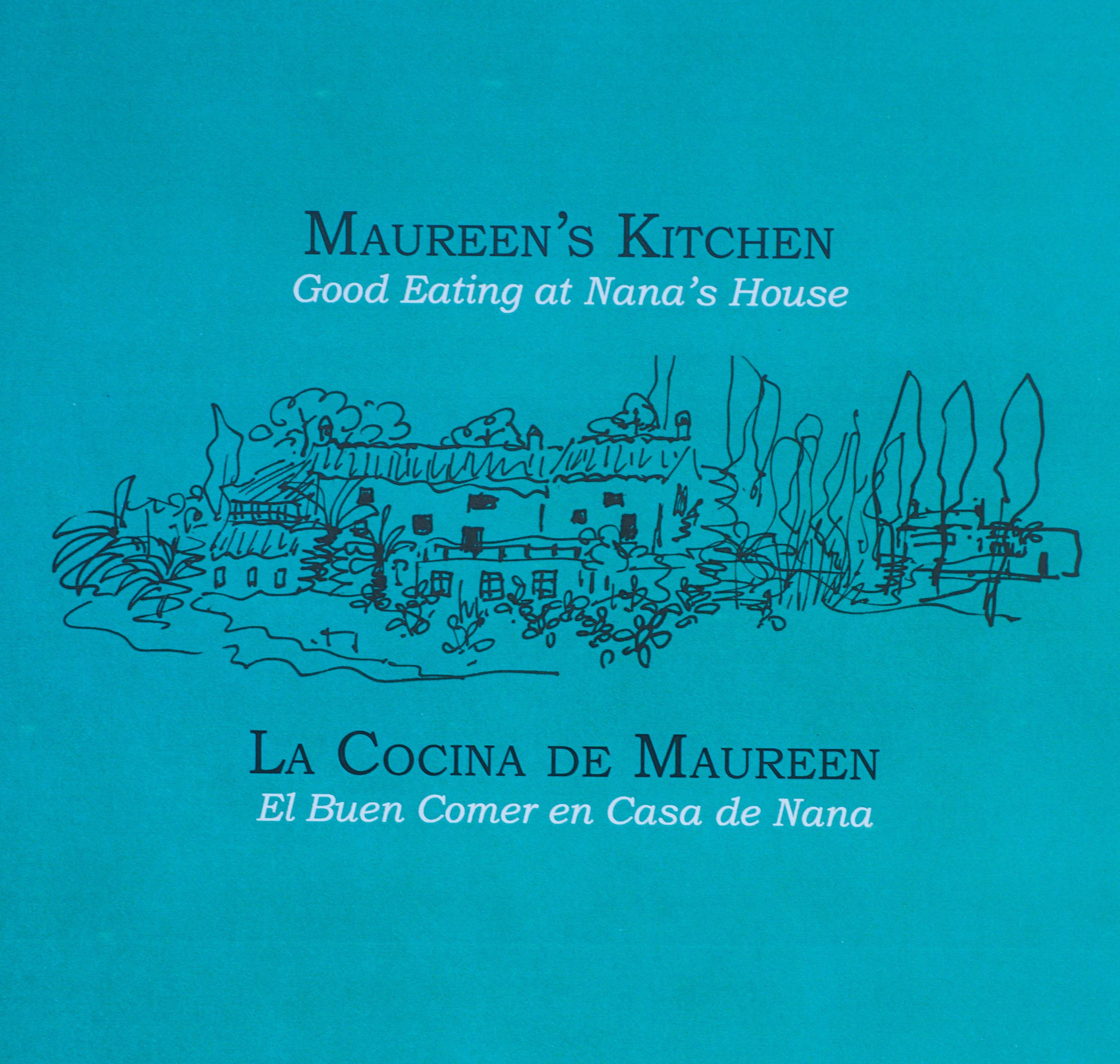
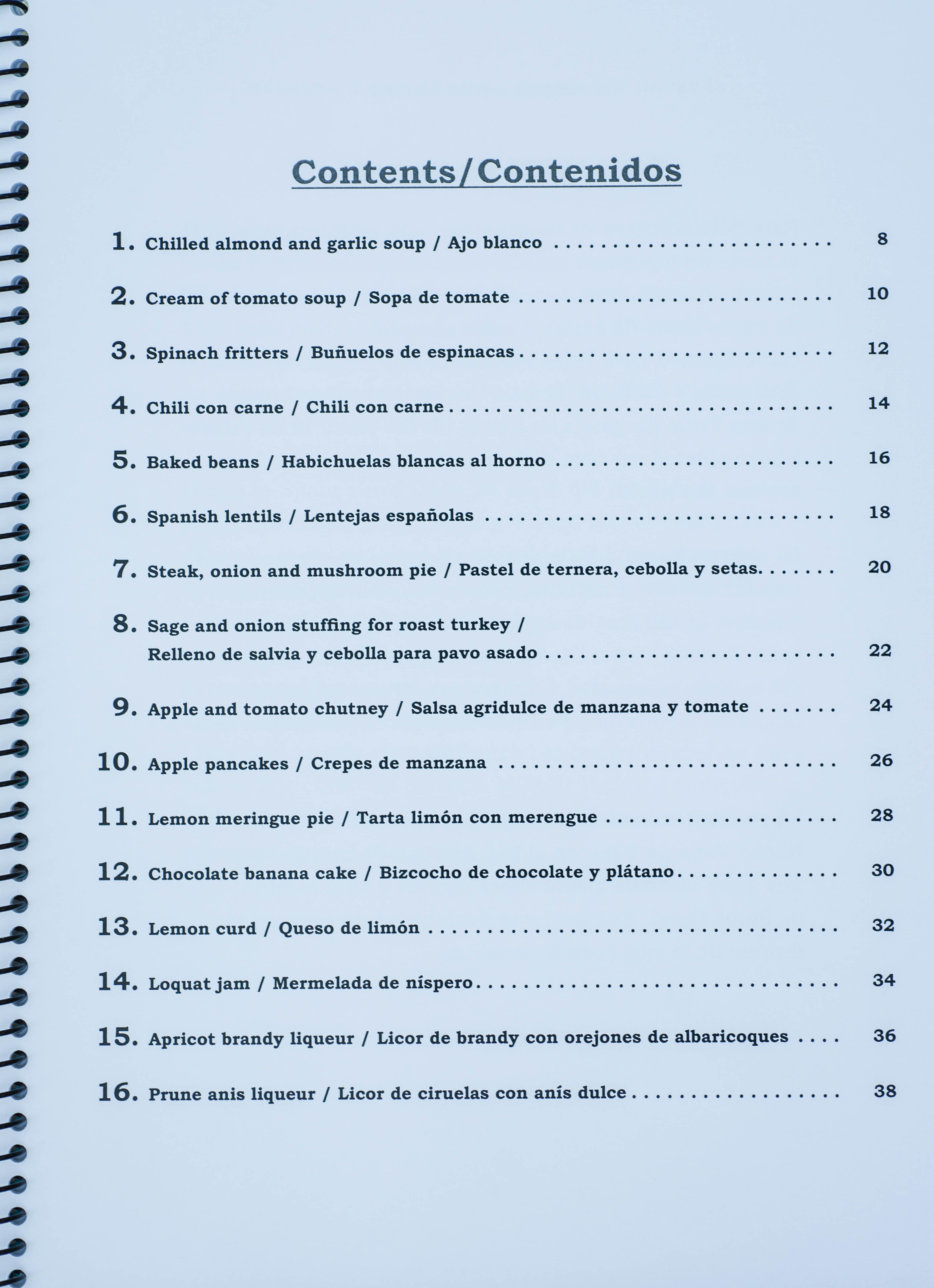
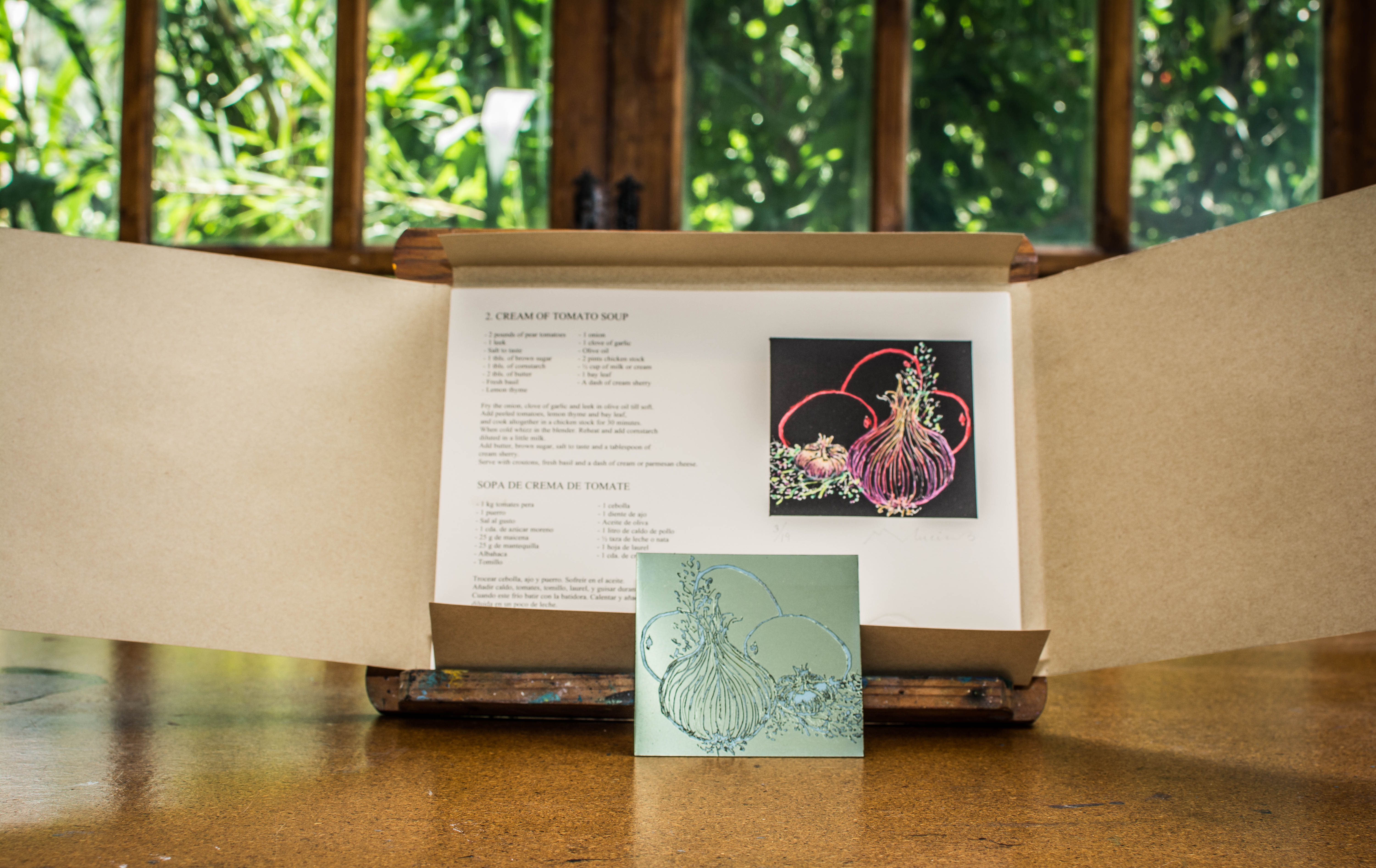
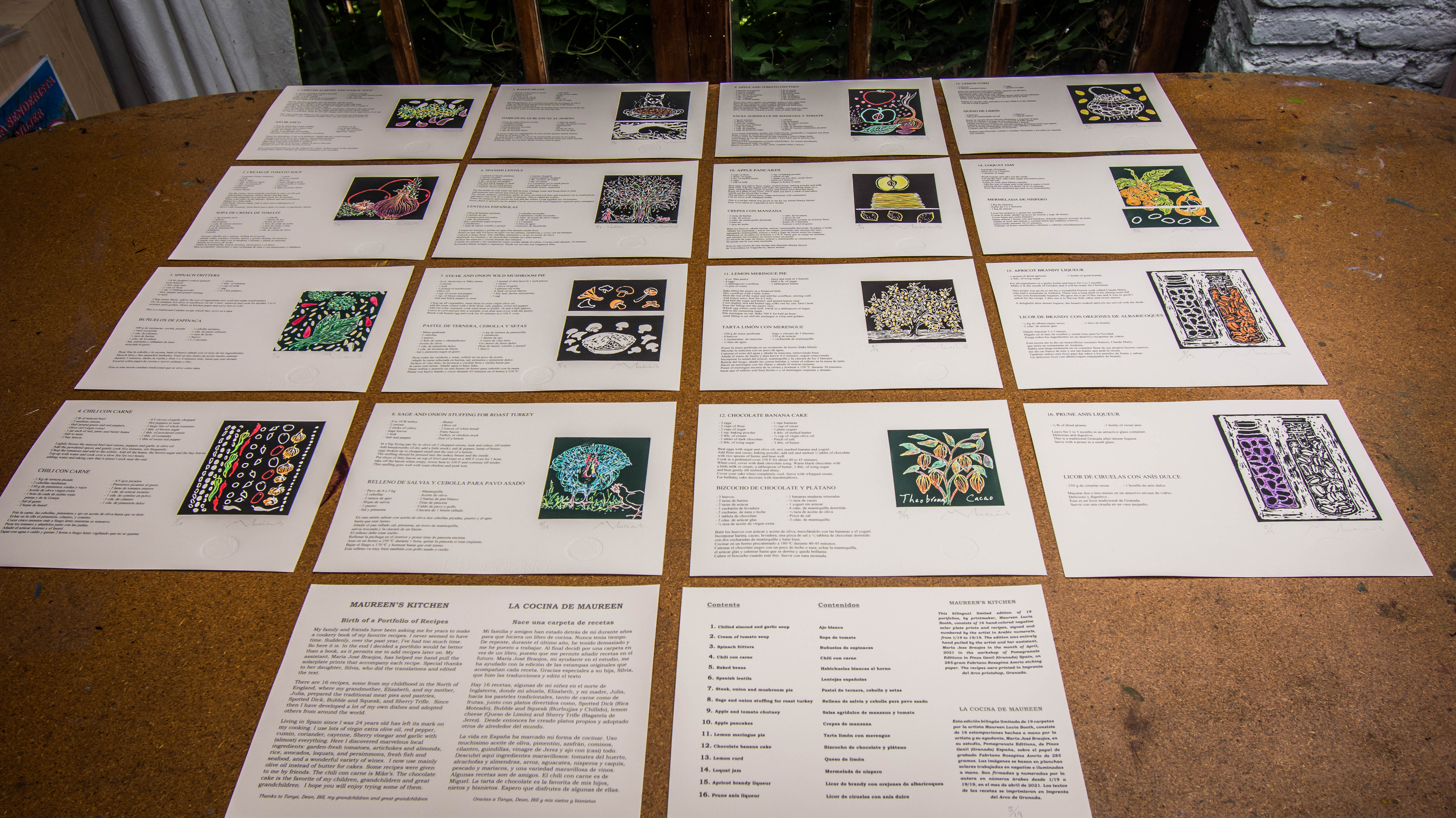
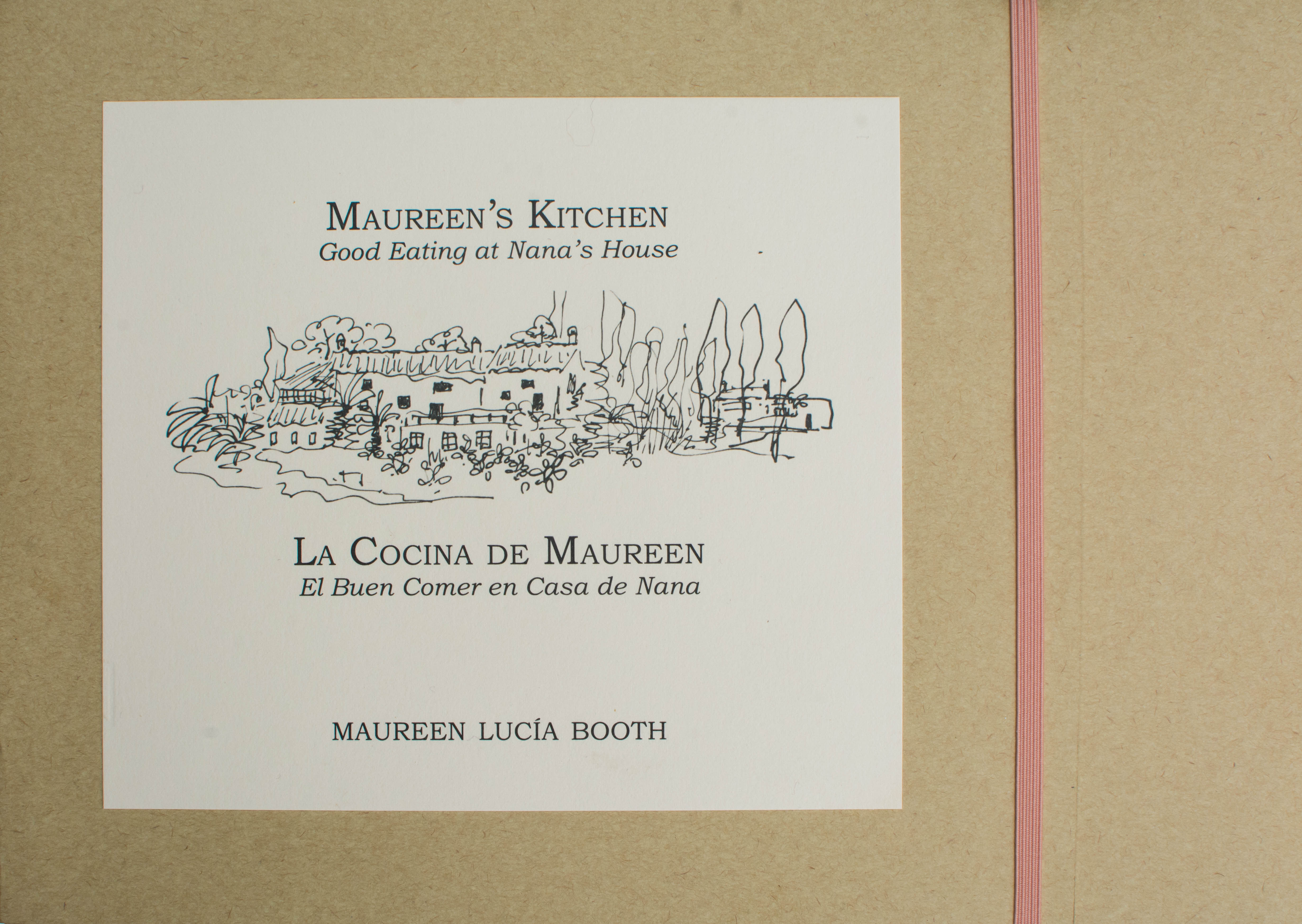
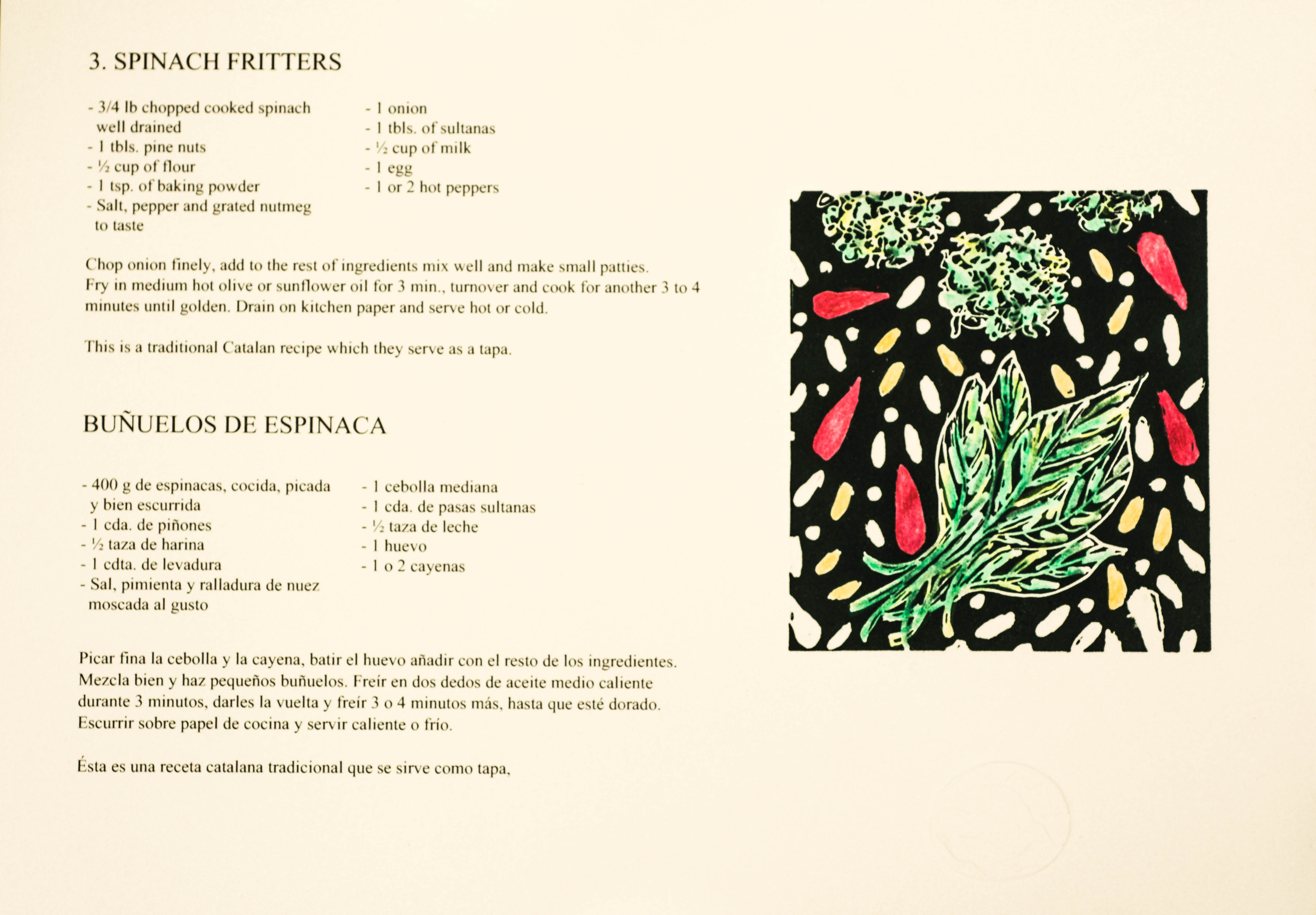
Maureen’s Kitchen / La Cocina de Maureen, my recent bilingual limited edition of recipes and hand-pulled, hand-colored prints was a response to a year and a half of semi-stagnation, something I suspect many of us have gone through. I was finally able to convince myself–with a little help from my friends–that the way out of the labyrinth was creative work. Get to work and make something beautiful. The edition was limited to 19 portfolios of 16 recipes and prints, because that was all the large sheets of hand-made etching paper I had left in my studio. That sounds ridiculous, but it’s the simple truth.

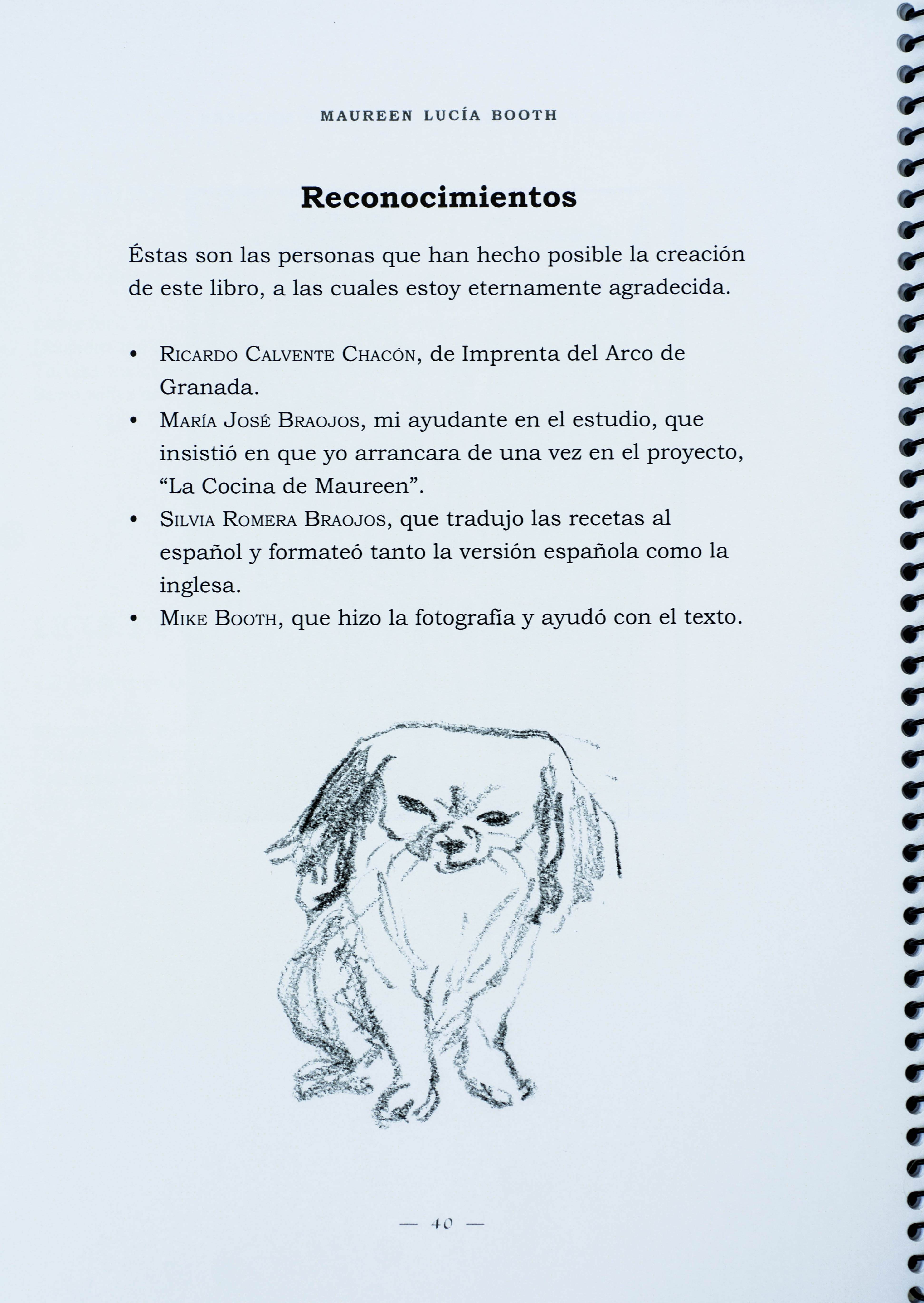
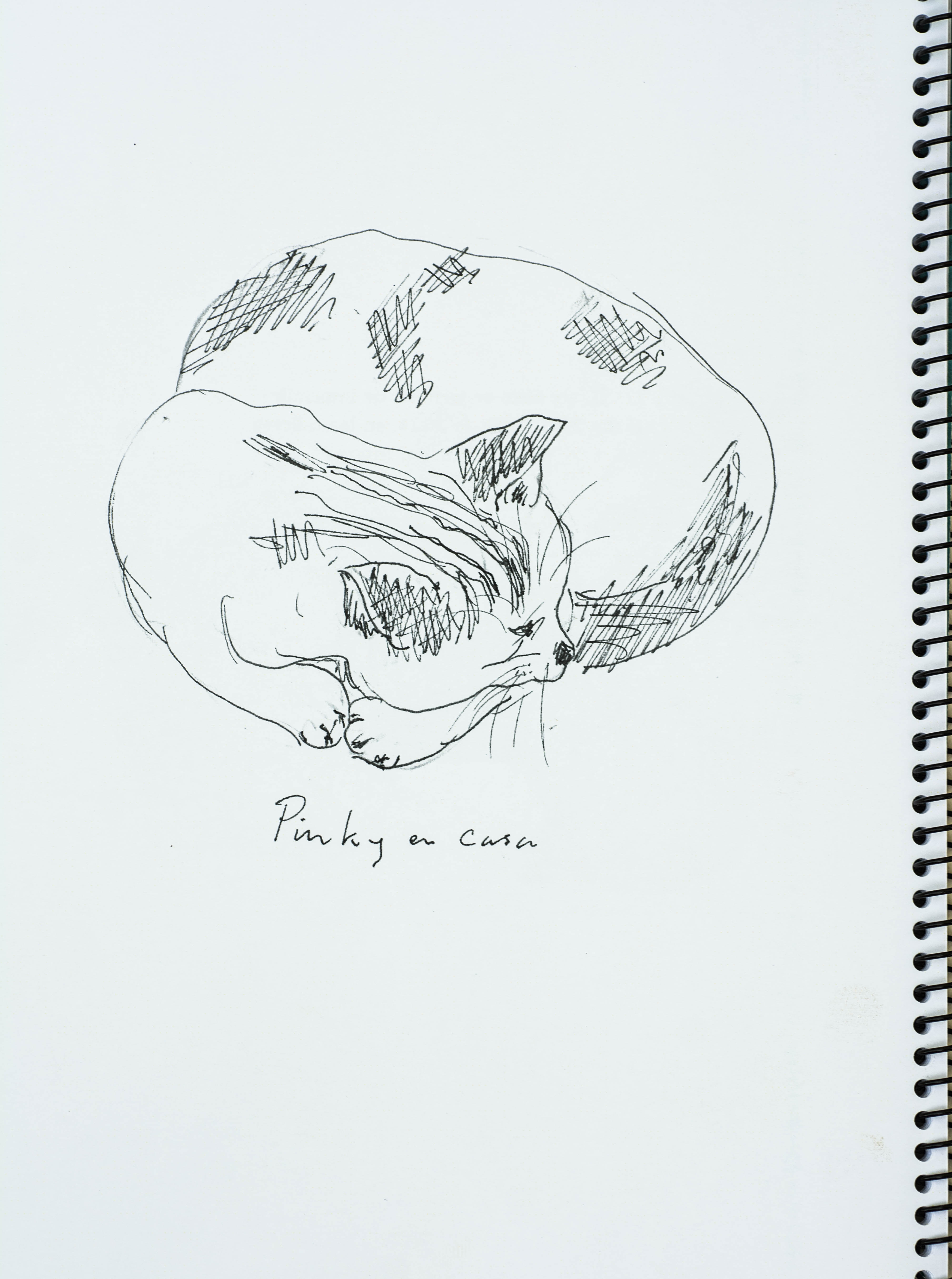
The invention worked too well. The edition sold out in three weeks. And I still had requests for more–but there weren’t any more. It was the brilliant idea of Ricardo Calvente, our neighbor and the owner of Granada’s finest print shop, la Imprenta del Arco, to publish the content of the portfolio as a book. Using digital technology and incorporating some images from my sketchbooks to add interest, he could print up however many books I required, as the need arose. These books have no fine-art pretensions but I am, nonetheless, delighted with the results.

The smaller format, the spiral binding and glossy paper, encourage the use of the book in the kitchen. On a kitchen counter the open book will lie flat, and if you spill something on it you can wipe it off with a damp cloth. And it can be sold for a fraction of the price of the limited edition portfolio. It’s not the same, of course, but it is an elegant solution to the problem at hand.

Es un descendiente

Maureen’s Kitchen / La Cocina de Maureen, mi reciente carpeta de edición limitada en inglés y español, de recetas y grabados tirados a mano, fue una respuesta a un año y medio de estancamiento/paralización, algo que sospecho que nos ha pasado a más de uno. Al final pude convencerme a mí misma–con la ayuda de mi familia y amigos–que la salida del labirinto pasaba por el trabajo creativo. Pónte a trabajar y haz algo bello. La edición se limitó a 19 portafolios de 16 recetas e imágenes cada uno, porque no me quedaban más hojas grandes de mi papel favorito de grabado. Sé que eso suena ridículo, pero es la pura verdad.

Al final, el invento funcionó demasiado bien. La edición se agotó en tres semanas. Me quedaban solicitudes de más portfolios, pero no quedaban más. Fue la genial idea de Ricardo Calvente, nuestro vecino y dueño de la mejor imprenta de Granada, la Imprenta del Arco, de publicar los contenidos del portfolio en un libro. Usando tecnología digital e incorporando unas imágenes de mis sketchbooks para añadir interés, él podía imprimir cuantos libros que yo necesitara, según surgía la necesidad. No puedo pretender que estos libritos sean “fine art”. Sin embargo, estoy encantada con los resultados.

El formato más pequeño, la encuadernación con espiral, y el papel brilliante, animan a usar el libro en la cocina. En una superficie de cocina el libro abierto se queda plano y si se ensucia, se puede limpiar con un trapo mojado. Y se puede vender por una fracción del precio de la edición limitada. Desde luego, no es lo mismo, pero no deja de ser una solución elegante al problema.

(Click to enlarge, haga clic para ampliar.)

How to Get your Copy of This Charming Little Book

I’m asking 15€ for the book. There are two ways to get it:

  1. If you’re within striking distance of Pinos Genil (eight kilometers from Granada on the old Sierra Nevada road), just drop by the studio and we’ll have a coffee or something and you can take your book home with you.
  2. If you can’t make it in person I’ll be happy to send it to you, and you’ll just have to pay the postage. Drop me an email (maureenluciabooth at gmail.com.) and we’ll discuss the arrangements.
Como hacerse de un ejemplar del libro

Pido 15€ por el librito. Hay dos formas de adquirirlo:

  1. Si puedes acudir a mi estudio en Pinos Genil (a ocho kilómetros de Granada en la carretera vieja de Sierra Nevada) puedes pasar por el estudio, nos tomamos un cafe u otra cosa, y puedes llevar tu libro personalmente.
  2. Si no puedes acudir al estudio, te lo enviaré por correo con mucho gusto. Tendrás que pagar el franqueo. Simplemente, envíame un email (maureenluciabooth arroba gmail.com) y concretaremos el pago y la entrega.

The Presentation

My dear friend, the Spanish poet, Ángeles Mora, will present the book in the Pinos Genil village square on August 4 at 9:00 p.m., during the Pinos Genil Culture Week. You are cordially invited.

La presentación

Mi querida amiga, la poeta de Rute (Cordoba), Ángeles Mora, presentará el libro en la plaza de Pinos Genil el día cuatro de agosto a las 21:00 horas, durante la Semana Cultural de Pinos Genil. Os invito cordialmente.

Thank you for following, commenting and sharing.
Gracias por seguir, comentar y compartir.

This project wouldn’t have been possible without the invaluable help of my
studio assistant, María José Braojos and her daughter, Silvia Romera Braojos,
as well as Ricardo Calvente Chacón, of the Del Arco Print Shop in Granada.
And, of course, Mike, my photographer, webmaster, and husband.

I Get By With a Little Help from My Friends

Much as I have tried over the past long year to stay positive, I confess it hasn’t always been easy and at times events have taken a toll on my morale. The pandemic took us all by surprise. Life was different and we suspected it would never be the same again, but first we had to survive the virus. (We have a friend who did die–briefly–and came back and told us about it.) We couldn’t see friends and family, which in Spain form the cornerstone of life on this planet. We couldn’t go out for a drink and tapas. Or drive down to the beach. Our life was reduced to a recurring supermarket-pharmacy-laundromat routine. Though, I shouldn’t complain too much. We were never without our inspiring riverside walking path, nor the loving company of Cuca, Diva, Bundy, Rosey and Susu, whom Mike refers to as “our little people.”

As I mentioned before, it was María José who inspired me to get back to work in a serious way. Let me tell a bit about her. She has become for me more of a daughter than a helper. We met 20 years ago when her husband, Juan Carlos Romera, was planning the production of a 38-minute short film called “Bive,” (“Live” in semi-literate Spanish). He needed a foreign woman artist for a story set in a fishing village in the Mediterranean province of Almería. As soon as he saw my studio he said, “You’re the one… and we’ll shoot the studio scenes in here.” María José was his assistant on Bive. Working on the film with Juan Carlos, María José, and his professional crew from Madrid was all new to me. It was hard work during a hot summer, but intensely interesting, and included some good fun. (You can see the complete film here on YouTube.) But I’m meandering again. What makes working with María José so gratifying is her limitless good humor, her sweet demeanor, her careful work, and her readiness to learn. She’s one of the most positive people I’ve ever known.

It Turned Out to Be a Healing Process

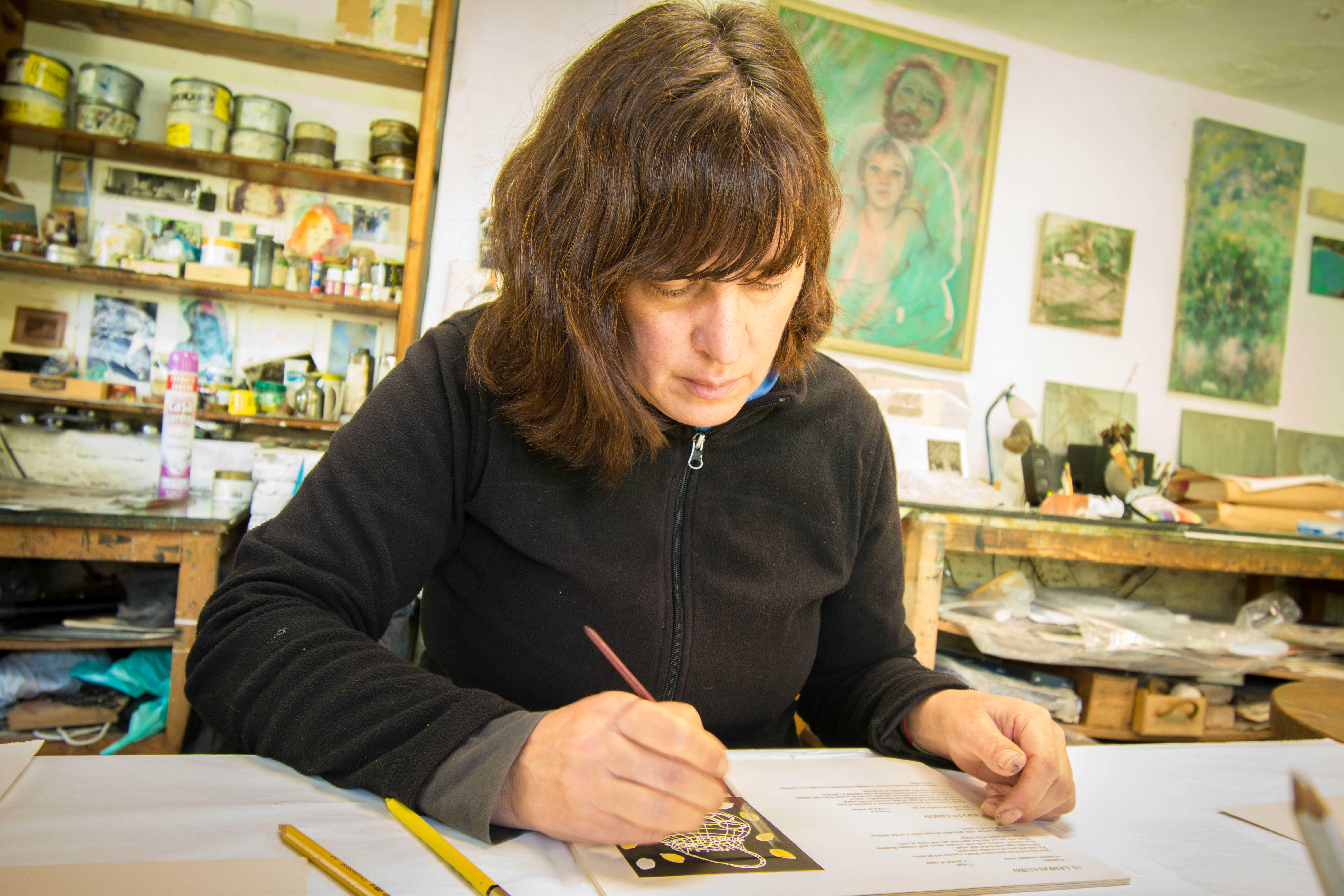
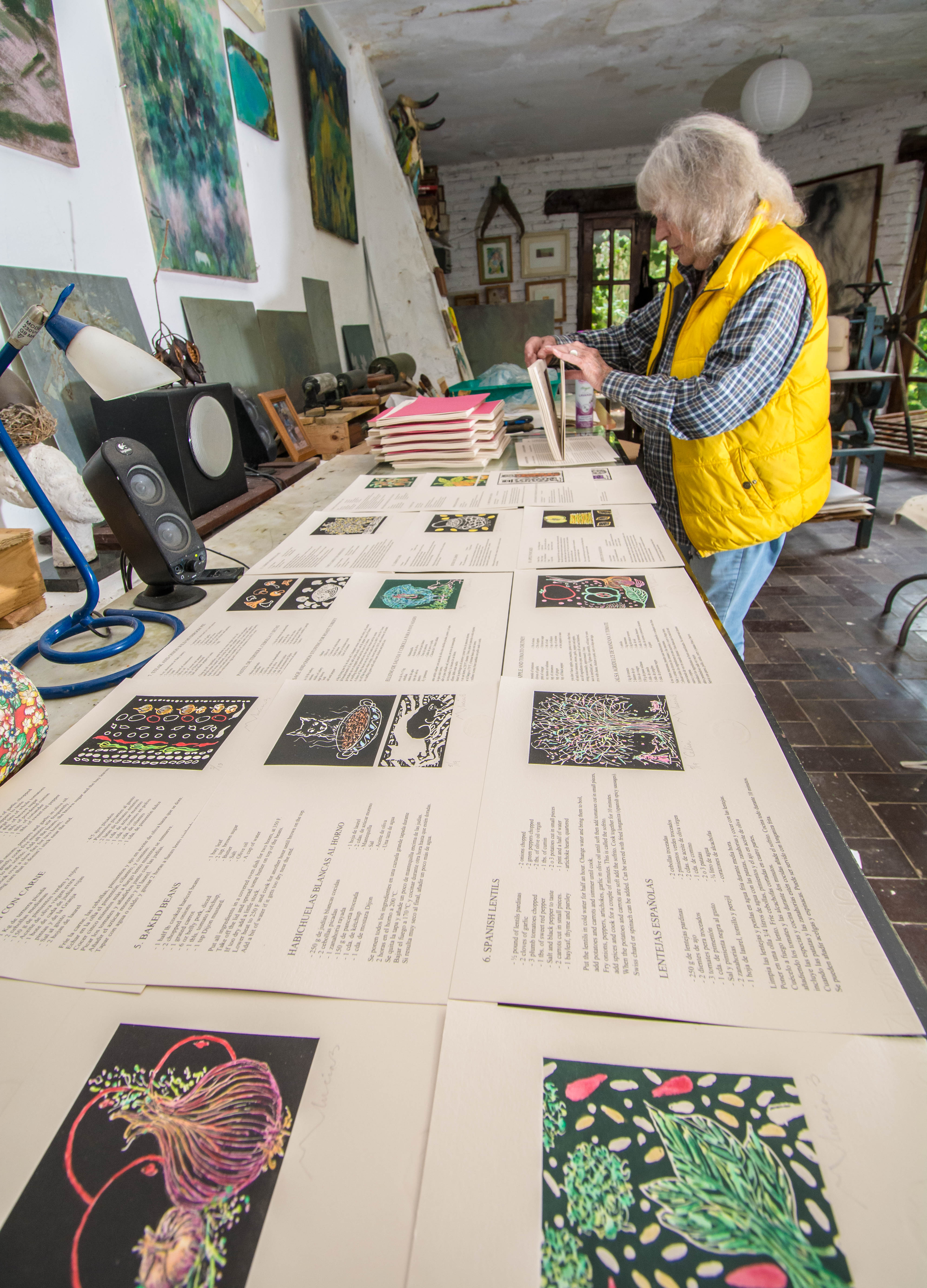
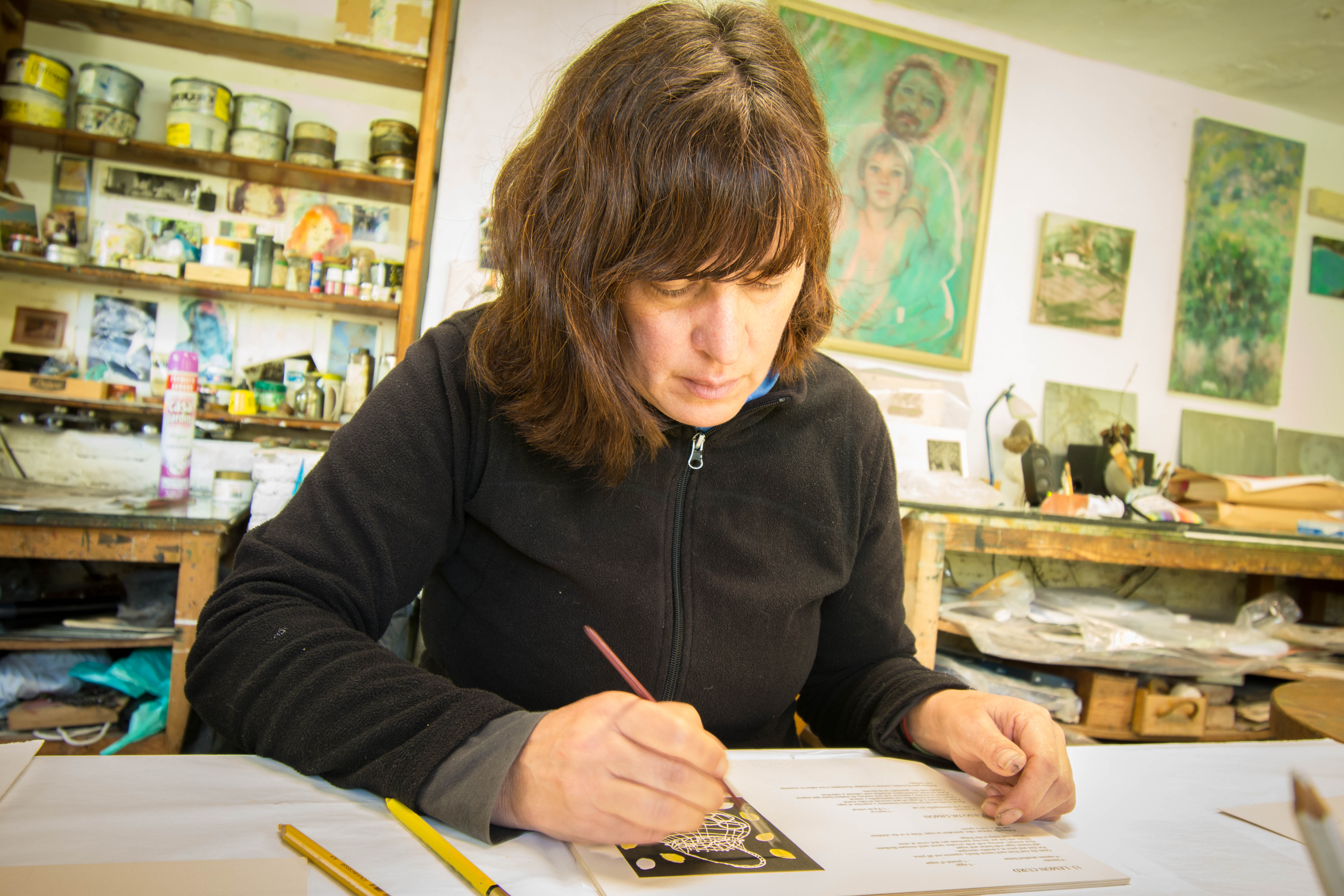
So we decided to start on the prints-and-recipes project. I prepared the originals on acetates and when they were all ready María José stepped in to help me burn the plates and pull the prints. That was our usual procedure. What was new in the process was the hand coloring (“illuminating” is the delightful traditional term) of all the prints, for which her help was invaluable. It was an extremely limited edition of 19 portfolios, but each one had 16 prints and they all had to be colored by hand. It was a demanding, meticulous job that required concentration to the exclusion of everything else. That exclusion included all forms of worry, anxiety, or stress.

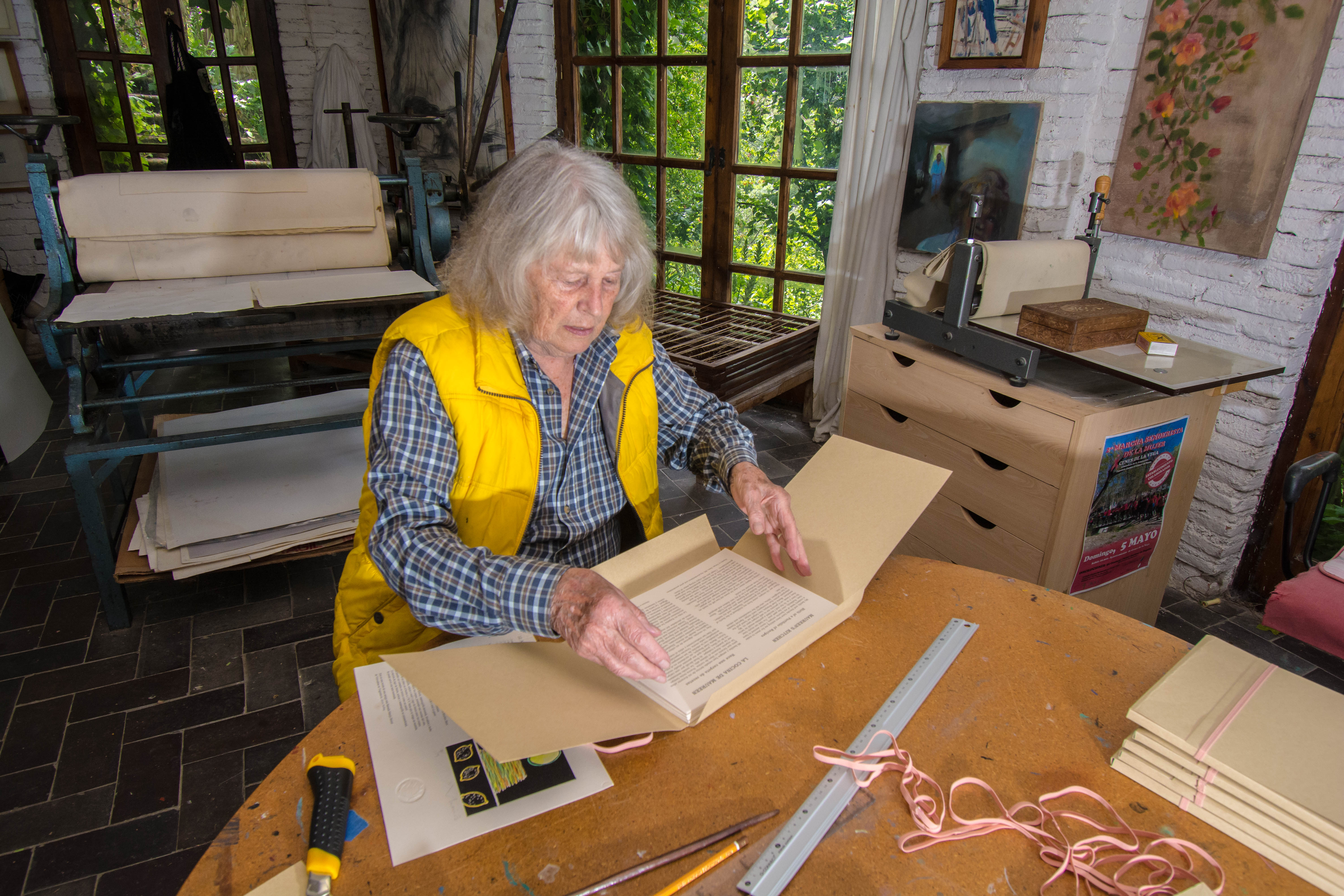
A few days after we finished illuminating the prints and had wedded them with the introductory texts and the portfolios (which I made to measure myself), and sold the first few books, it occurred to me that I was feeling quite a bit better. People liked the portfolio. I was full of pride and optimism, and had some money jingling in my pocket. I even had some new projects fall into my lap, a couple of portraits and a big job for our village’s new Sierra Nevada tram museum. It seems I have been renewed by a combination of art, work, and loyal friends. I have always prided myself on being a working artist, and this is just one more proof of its miracles.

I wonder if this simple formula might not work for you, too.

P.S. There are still a few portfolios left. If you need one you can contact me via email: maureenluciabooth (at) gmail.com.

###

Thanks for following, commenting and sharing.

Now Comes the Hard Part; What Will You Think?

Here you have it, a project that has been rambling round my head for years and finally got started three months ago when my assistant, María José, suggested, “We’re not doing much else, why don’t we start on your recipes-with-prints idea? Suddenly, getting up in the morning in the boring and confusing life under Covid controls began to have meaning. It’s true, happiness is a project.

The recipes are my own  personal favorites. Some of them I inherited from my mother and grandmother, some from friends and some of the best local dishes from our pueblo, Pinos Genil.  I have included some vegetarian dishes and some are my own  creative  experiments. I hope you will find them interesting.  This has been an inspiring learning experience for me and I’m happy to see the result.

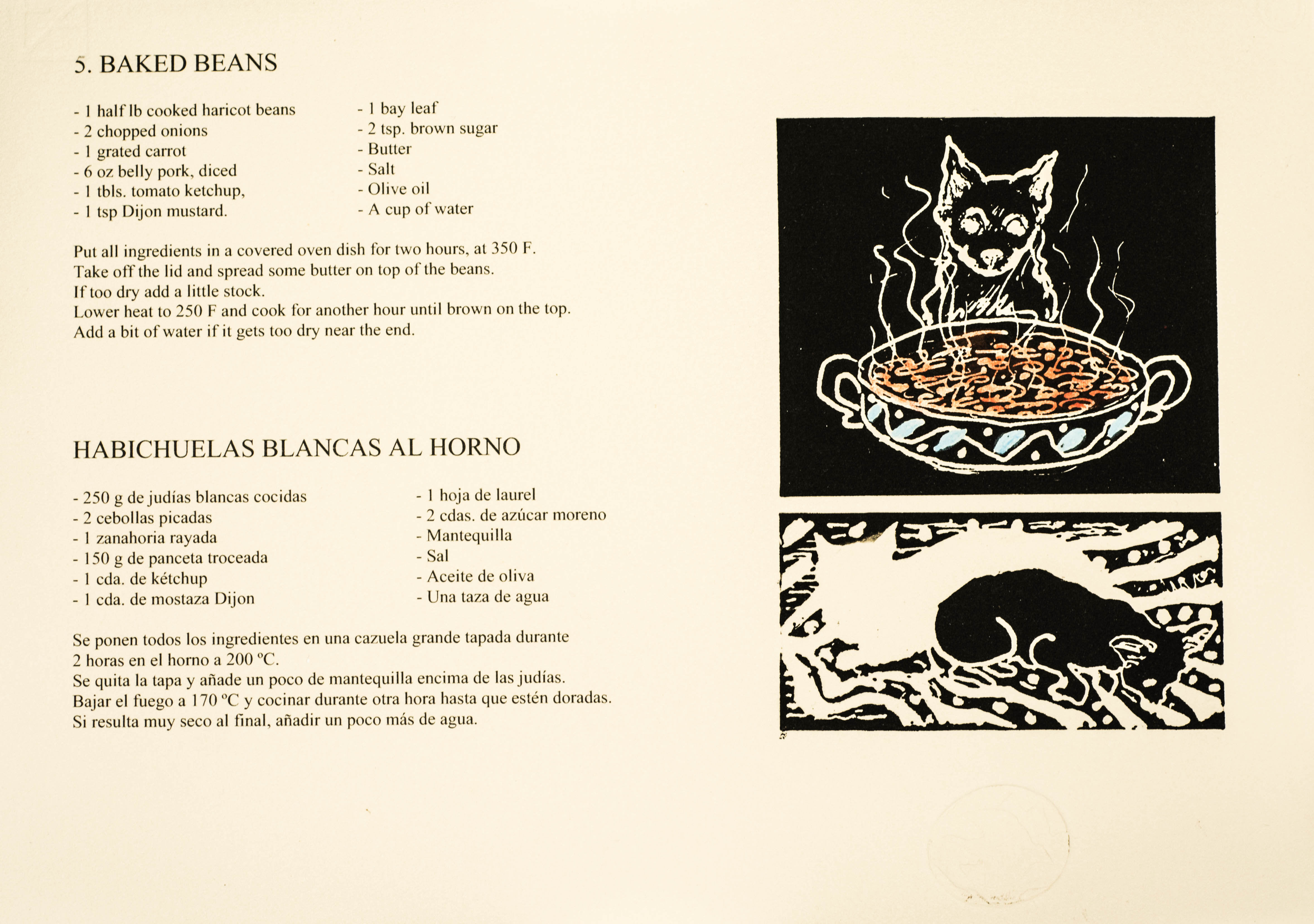
Preparing an edition is, beyond the image making, a lot of work. The Spanish would say it’s a combination of “arte y artesanía.” Once you’ve refined your sketches and burned them onto plates, you’ve got all that printing to do by hand. Though this edition is a small one, with only 19 portfolios, each one has 16 prints. Add to that the hand coloring of all of them. Then there was the text. As it is impractical to handwrite the recipes in English and Spanish on plates, the answer was a print shop and all the complication that entails. For both of these problems I had extraordinary luck close at hand. They are named María José, my near-daughter whom you have already met, and our neighbor, Ricardo, who owns one of Granada’s most exquisite print shops, la Imprenta del Arco. I’m forever thankful for his patience with all my changes and his excellent criteria concerning my doubts. And I don’t want to forget María José’s lovely daughter, Silvia Romera Braojos, who did the translation into Spanish and the formatting of the text.

Young Old Friends

So each DIN-A4-sized recipe has Ricardo’s offset text on one side and my hand-pulled original print on the other. One of the advantages of living in the same place for 50 years is that you know whom you can rely on. And our pueblo, Pinos Genil, is a great place to live. I have an added advantage here. In the late 1970s I used to give painting lessons in the town square to all the children who were interested, and today I am privileged to have all of those children as 40-and-50-year-old friends.

I haven’t had much feedback yet, except for our old friend, the doctor/painter, Rafael Sánchez, who dropped by last night for one of his amusing visits. He saw the portfolio, said, “This is art on the outside and art on the inside,” and took one home with him. That was encouraging, Rafa, thank you.

As for how to enjoy/display/use these prints is up to the owner. You would have to have a pretty big kitchen to frame and hang 16 prints. You could leave the portfolio on a coffee table (along with a pair of white cotton gloves). Or enjoy figuring out your own creative solution. If you think you might like to have one of the 15 remaining portfolios (discounting one each for María José, Ricardo and me) you can email me at maureenluciabooth(at)gmail.com.

###

Thanks for following, commenting and sharing.

We’re Approaching the Launch

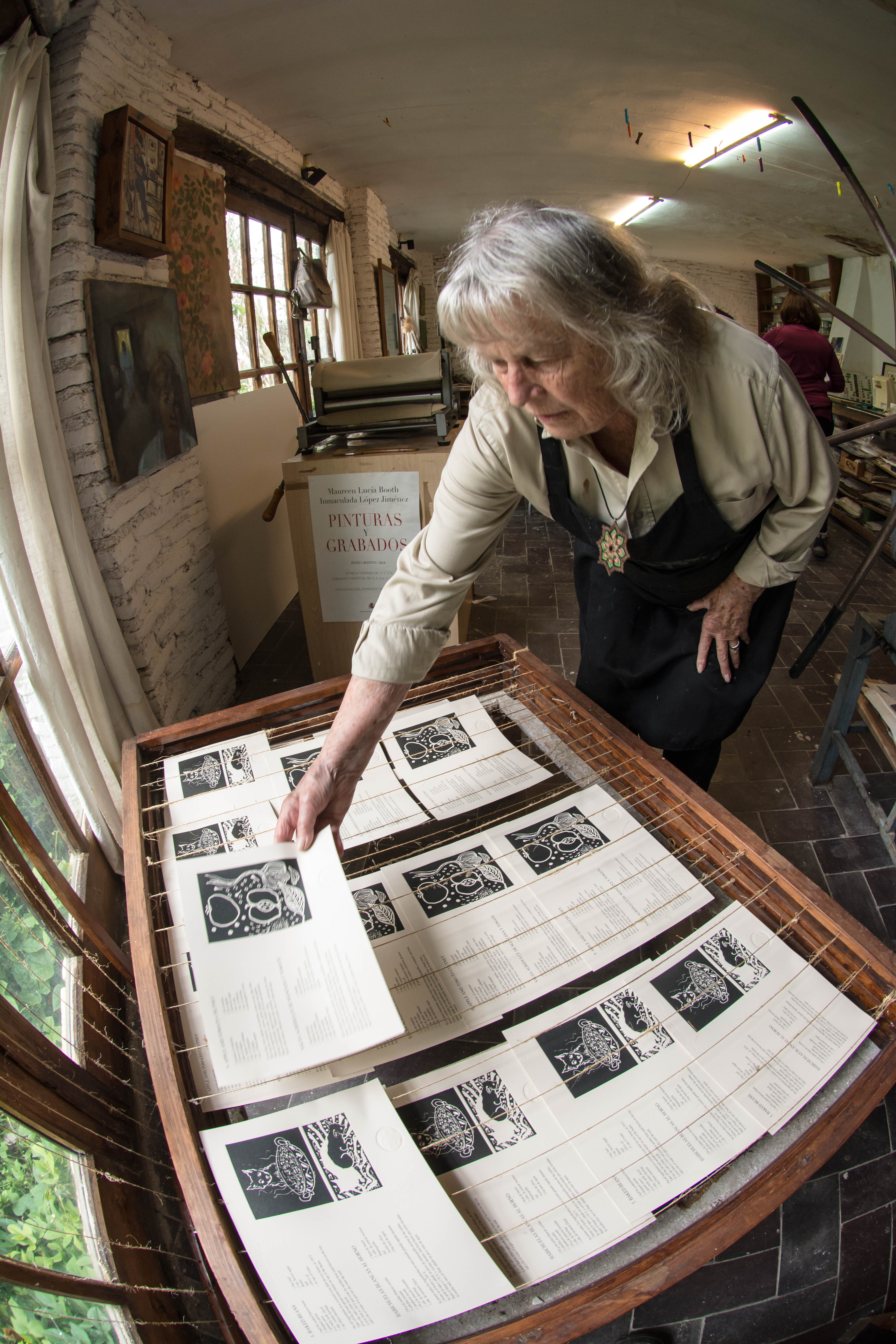
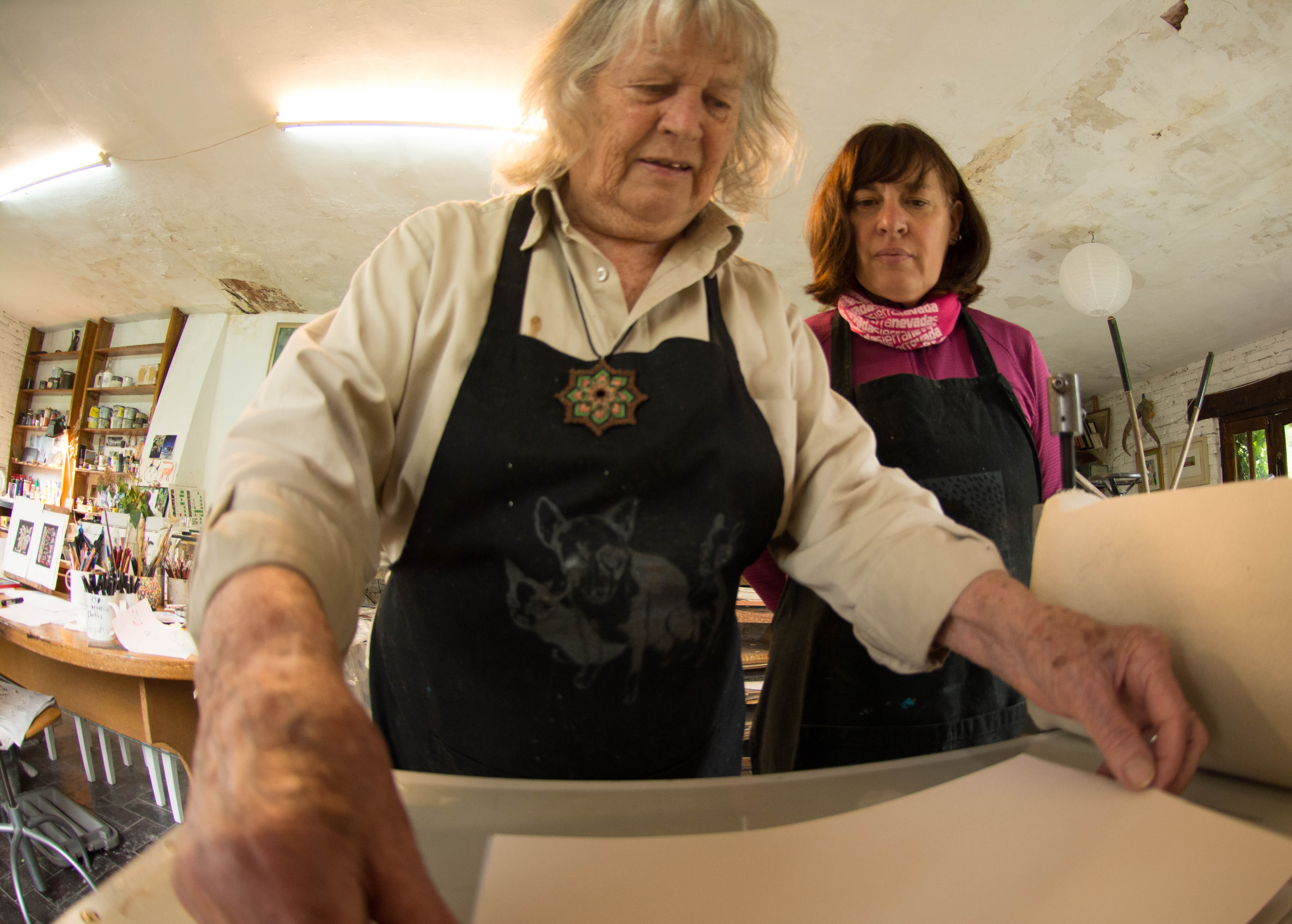
It’s been an eventful month and we’re approaching the end of the Maureen’s Kitchen project, hand coloring the prints. It has been a lovely team experience. Ricardo, our neighbor from down the hill, has a print shop in Granada. He does wonderful work, including a recent exquisite book on our pueblo. I was concerned about printing the recipes (in English and Spanish) on textured etching paper but Ricardo said, “no problem” and they came out perfect. That text was on the left side of each DIN-A4 sheet (210 × 297 millimeters or 8.27 × 11.69 inches). On the right side of each paper my assistant, María José, and I hand printed the plates on the small etching press in my studio (which was given to me years ago by my dear friend, Mararo, and now use more than the big one). The result looks like a marriage made in heaven. (See Mike’s photos, below.) It only remains to make the portfolios and assemble them and decide on a cover design. I’ll let you know.

Here’s Some of the Finished Color Proofs

You Like Luxury? Try a Family of Little Birds Outside Your Kitchen Window

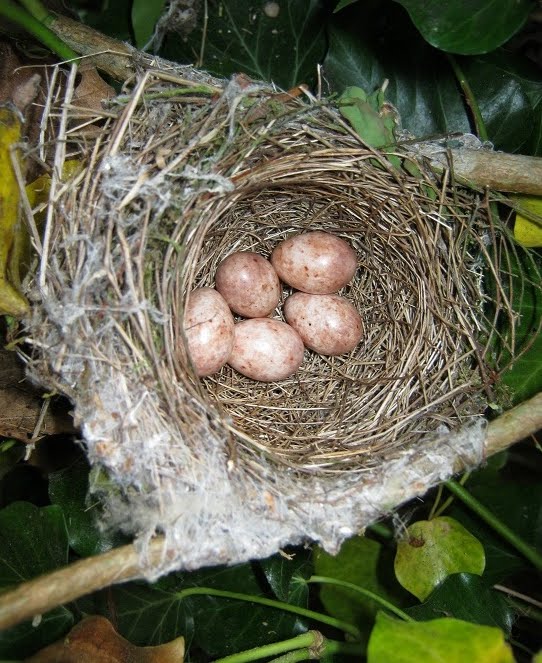
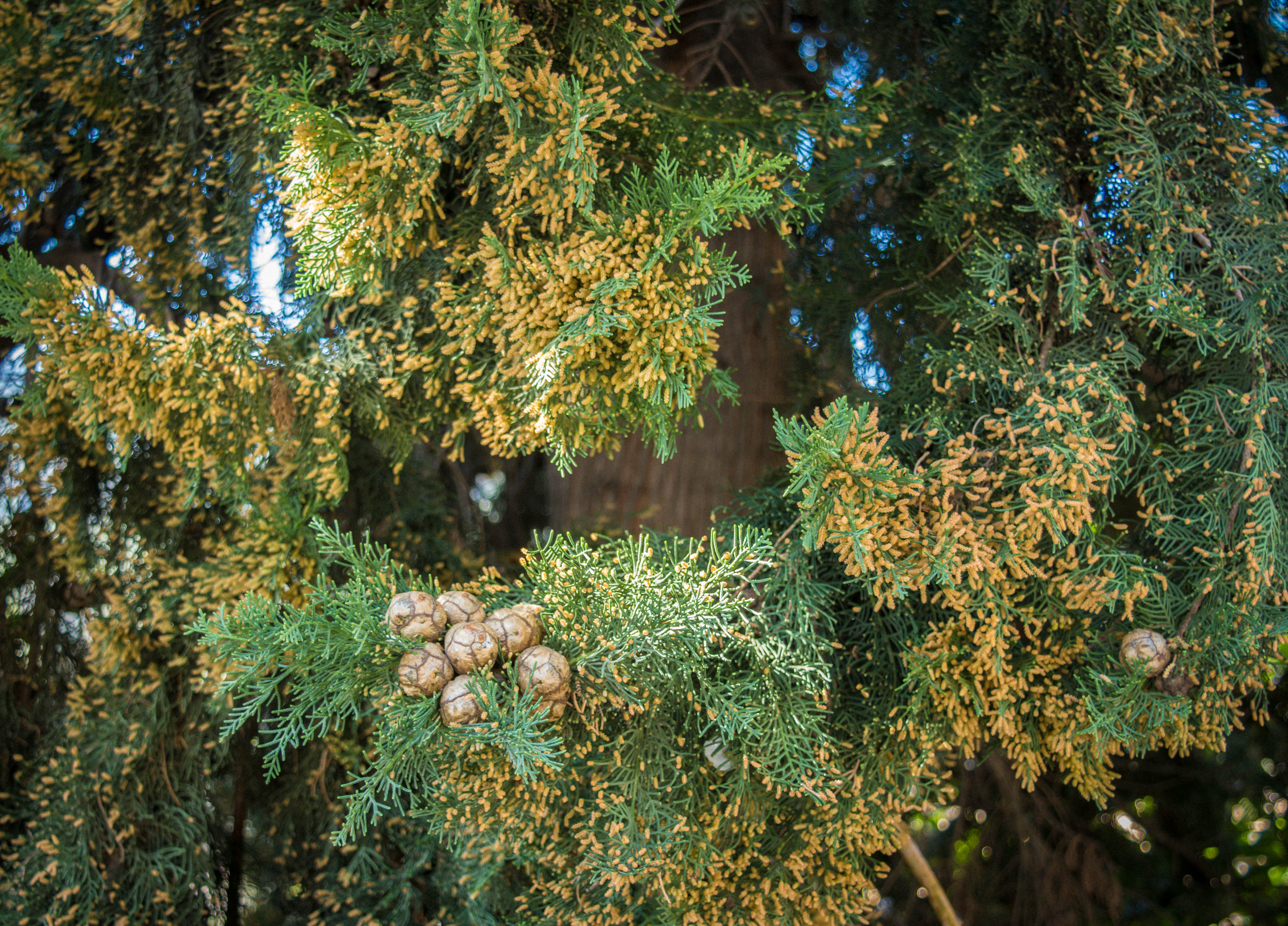
One of the most delightful things we discovered over the last month was a pair of tiny birds building a nest near the top of a small cypress tree outside our kitchen window. As the Gallinero, where we spend the winter (at 40 meters from our house) is on a steep hillside and the cypress grows on the downside, when we look out the kitchen window we’re looking at the top of the tree, where the birds are working just six or seven meters from the window. Not that we can see them building the nest, as that happens inside the dense branches of the tree. We just see them coming and going. They know what they’re doing.

We still don’t know for sure what class of birds they are. As close as we can get they look like the family of the European Black Caps or American Chicadees, most likely the 11 cm. Willow Warbler but maybe the Chiffchaff (called that because of their call: “chiff-chaff.”) I’ll post some pictures here of what we found on the Web and what their nest probably looks like inside that cypress.

How My Garden Grows

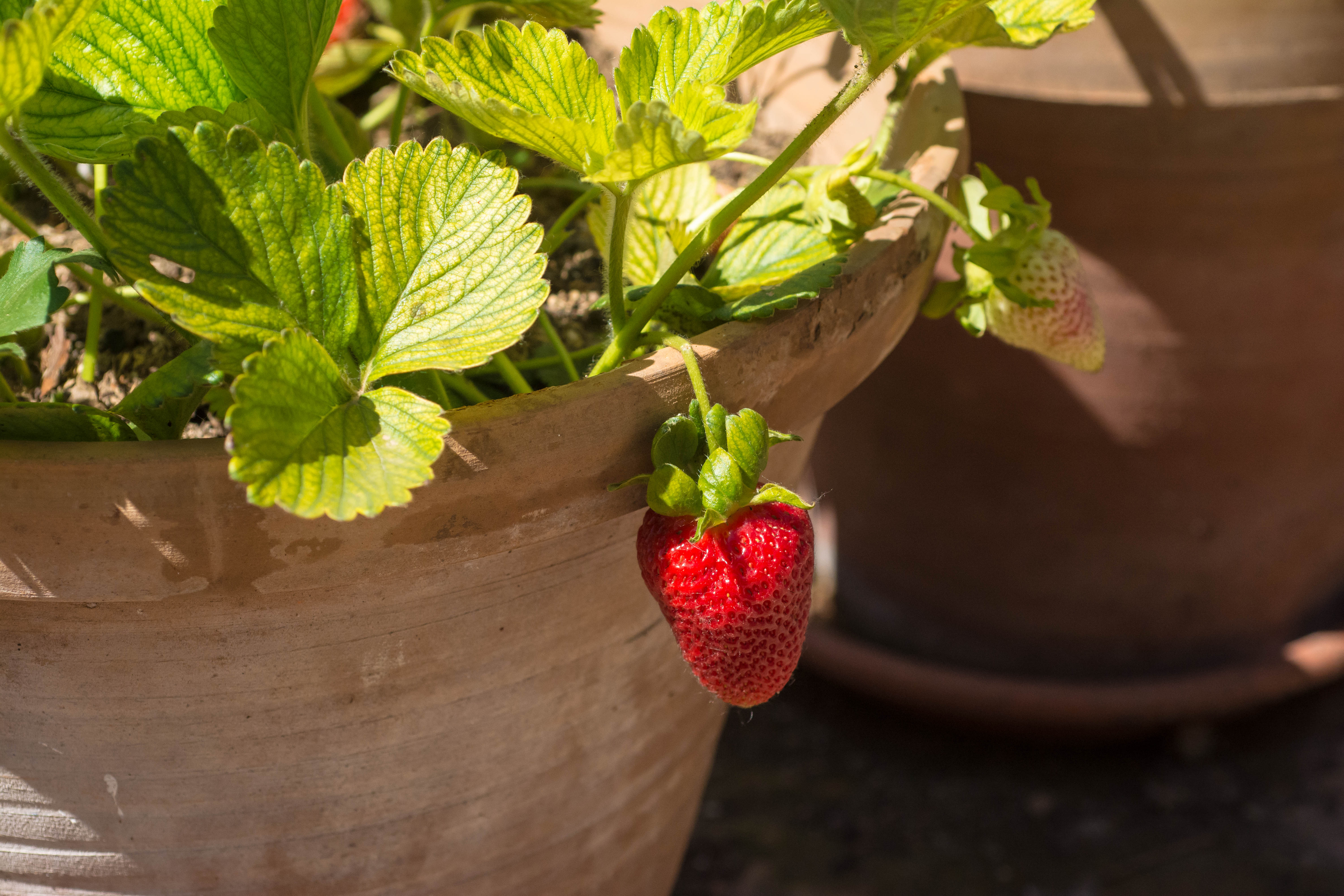
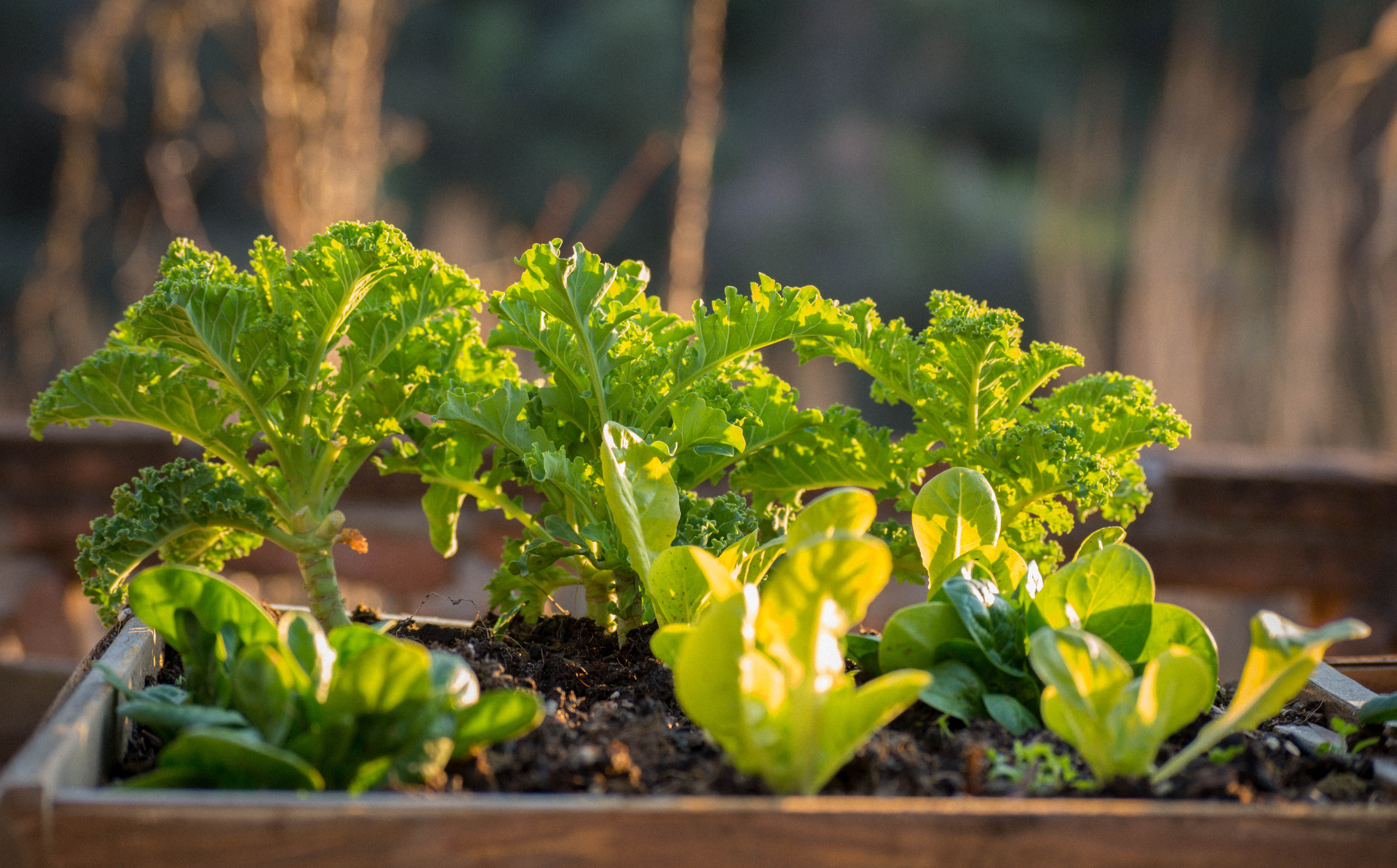
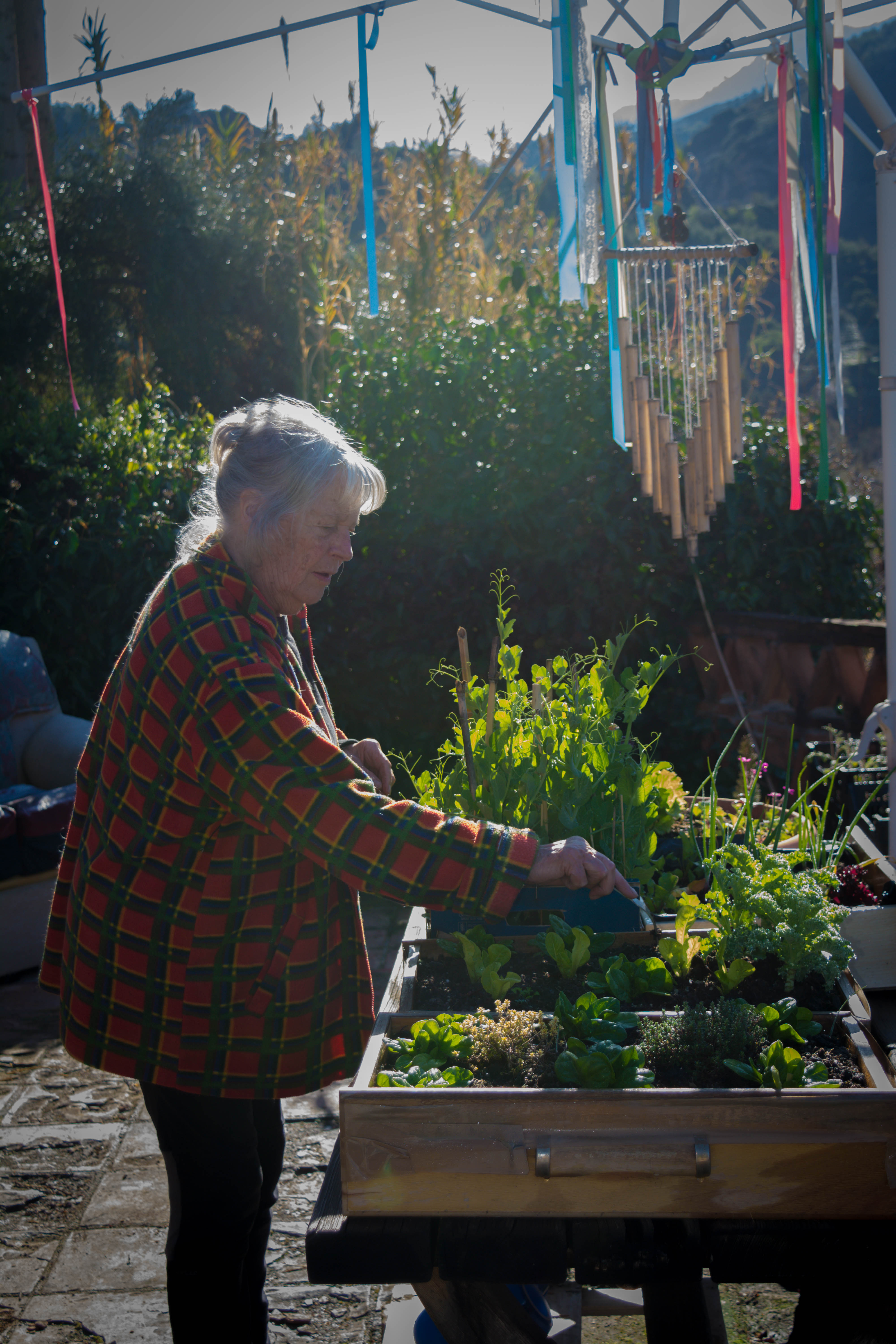
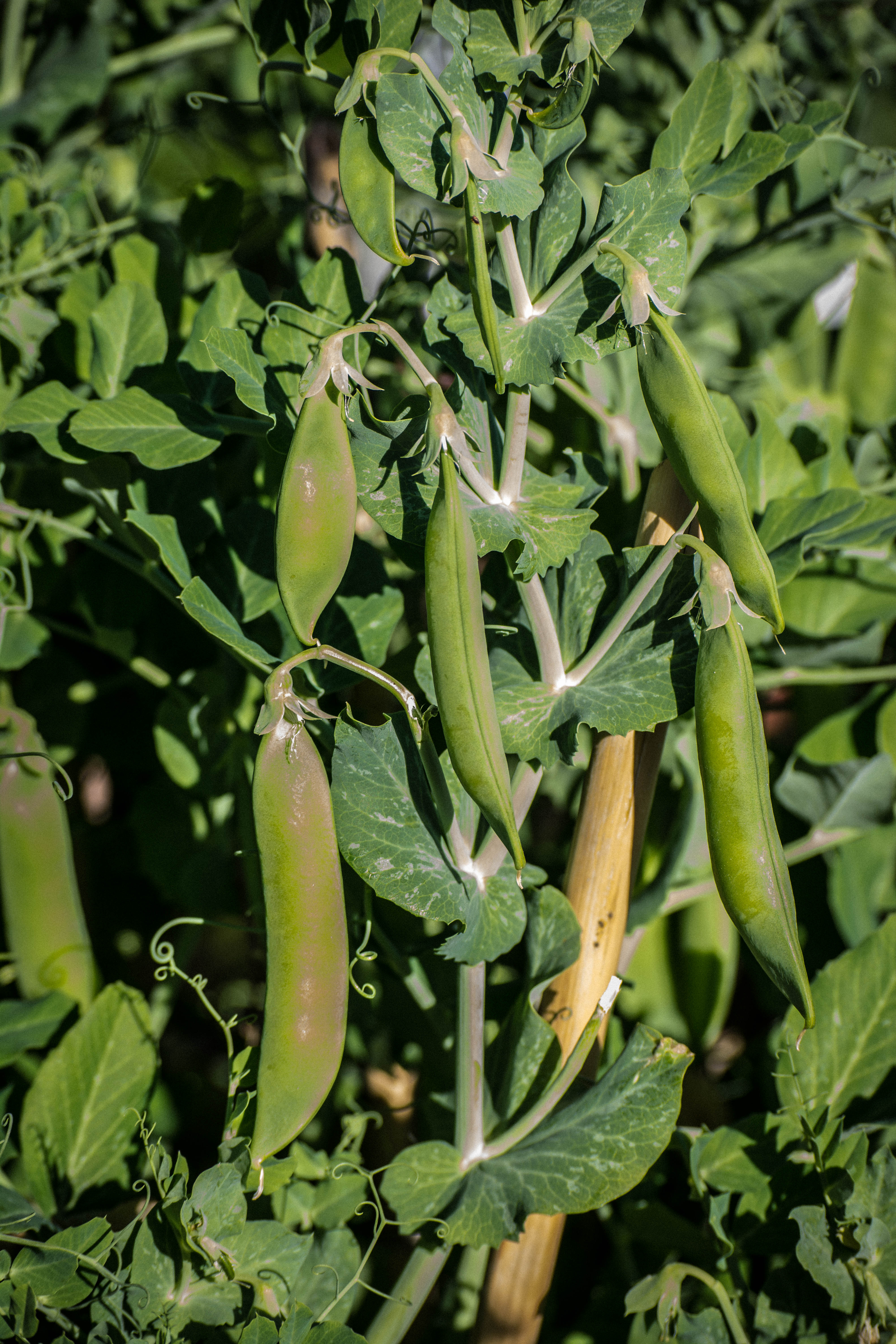
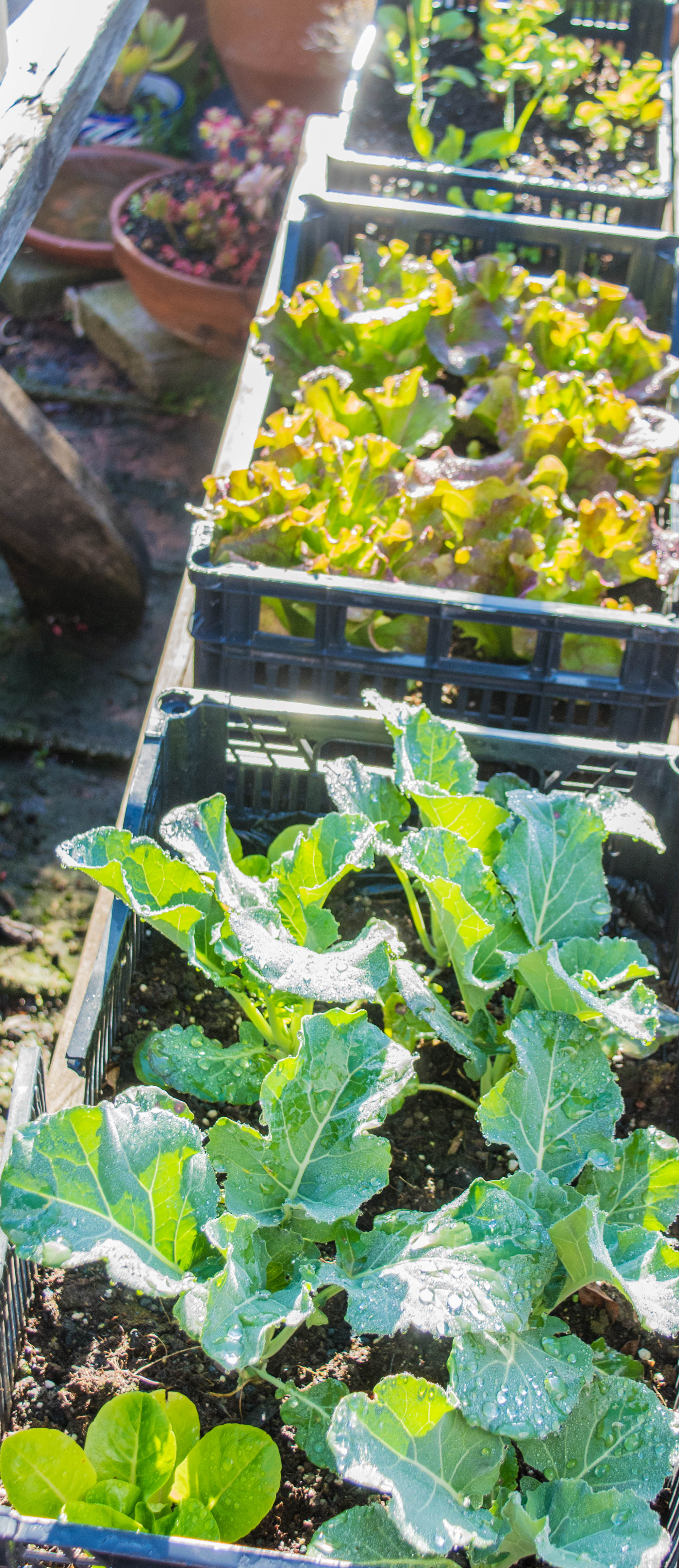
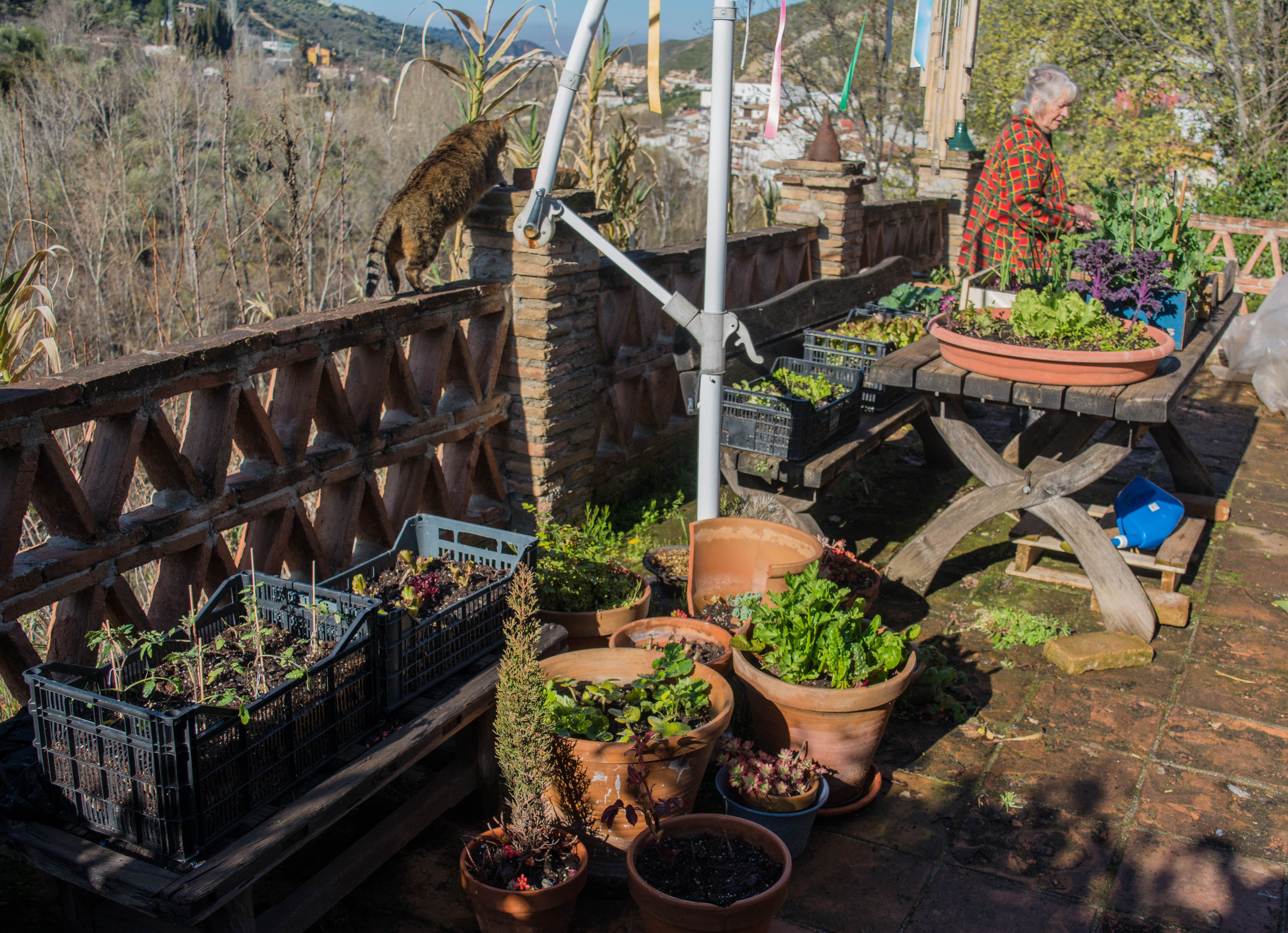
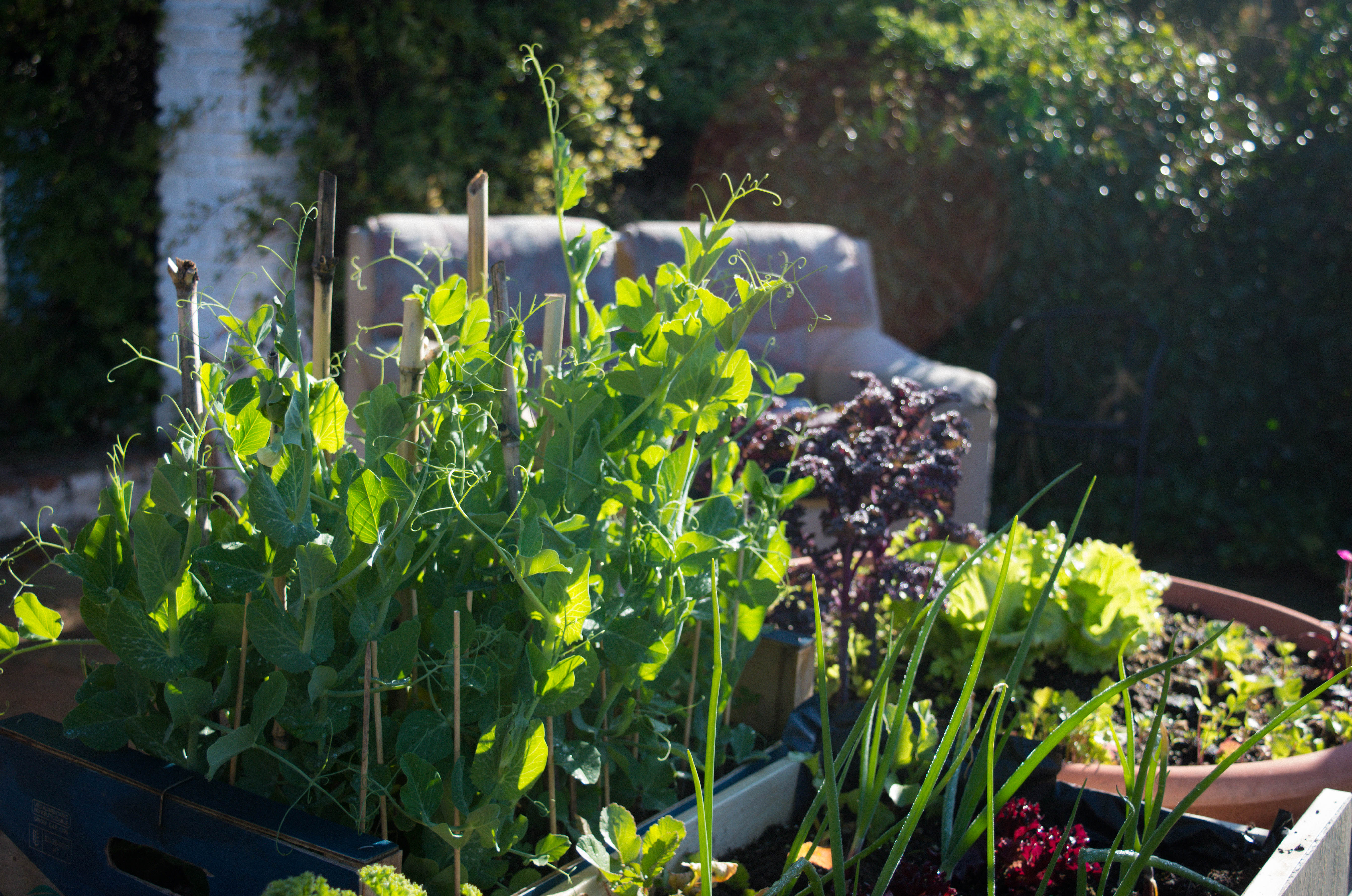
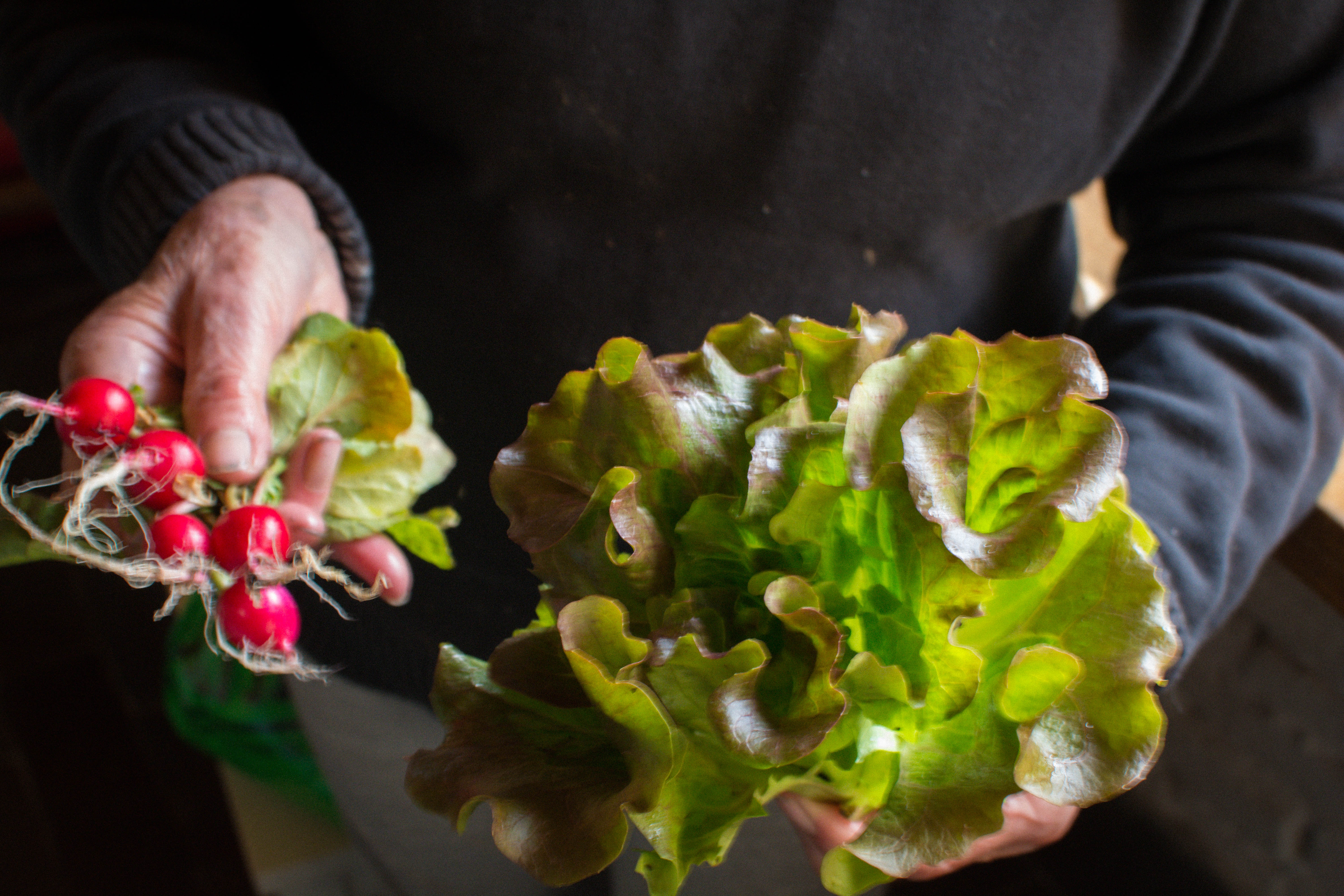
My miniature garden started out early this spring with eight or ten boxes. Suddenly it’s up past twenty. And Mike found a nest of lovely plastic boxes sitting outside a local supermarket last night, waiting for the bin man. So now my garden will soon be bigger. This is what the Spanish call “vicio,” and it takes a lot of different forms. It’s not that we don’t eat something from my garden almost every day. Whether it’s the lovely sweet peas, a few spinach leaves in a salad, some Swiss chard in a stew, or the latest surprise: big, bright red strawberries. What a thrill.

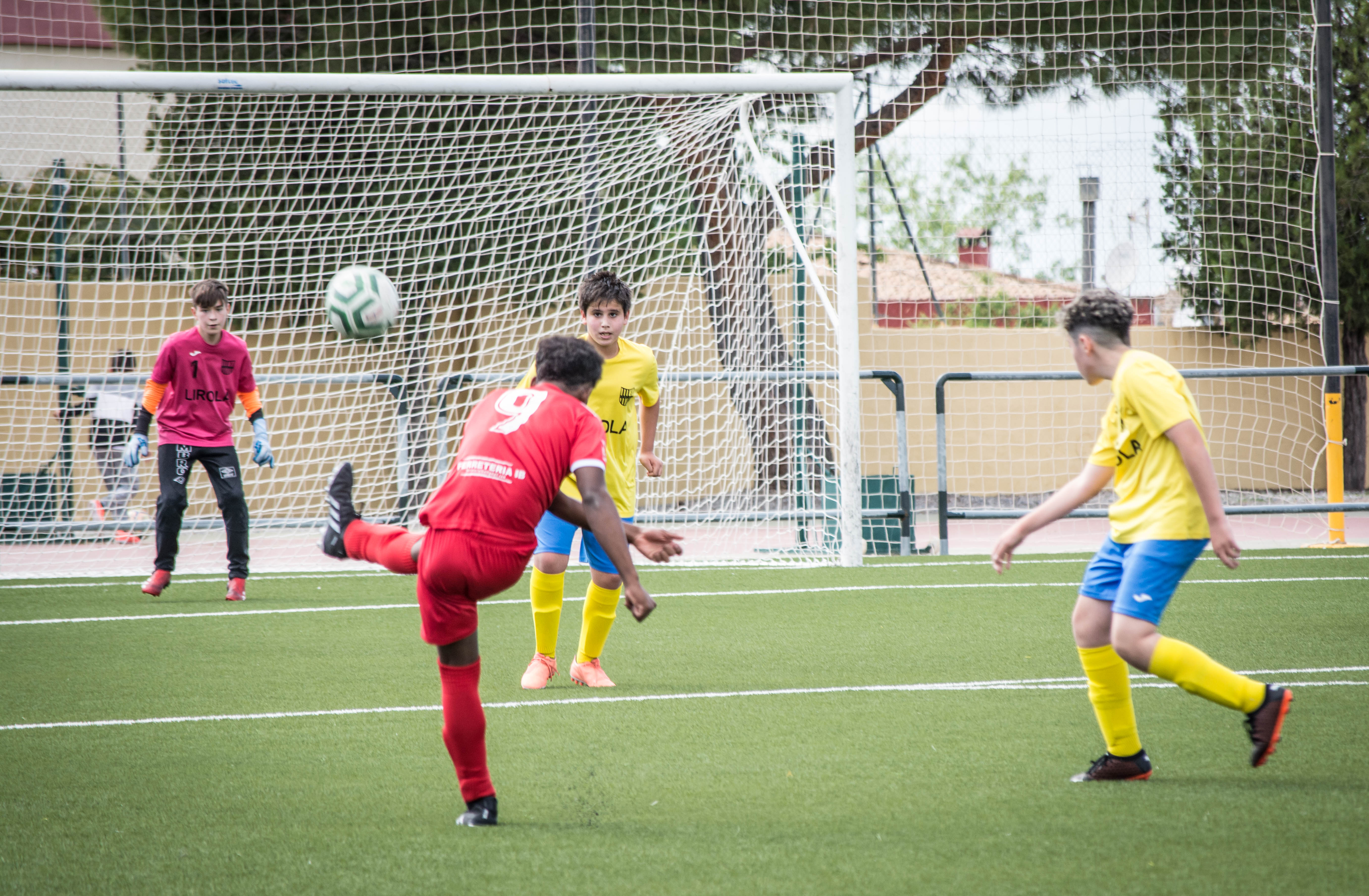
Our Grandson Claudio, Looking Like a Footballer at 14

I Hope This Spring is Being Kind to You

I have a suggestion for at least making it feel kinder. Instead of scheduling youself one long walk daily, try two short ones. It was something Dr. Salvatierra (“Save the Earth”), my arthritis specialist, suggested and it works, both physiologically and psychologically, though I’m not sure why. He recommends starting with 20 minutes each walk. See if it doesn’t work for you.

See you soon. Now I’ve got to go down and illuminate a few prints.

###

Thanks for commenting and sharing.

If this picture looks contrived it’s because it is. That girl in the corner is a correspondent for Andalusian television who came to do an interview, and Mike thought it would be nice to put some of my sculptures in the foreground. The pomegranate tree outside my studio door was bearing beautiful ripe, colorful fruit, so why not include that, too? The Spanish would call a mess like this a menjunje or a batiburrillo. The Spanish have some wonderful words. P.S. “Granada” is Spanish for “pomegranate,” in case you were wondering.

Another Sort of Printing, Which Was Also Important(!)

This one-hour video about the birth of Gutenberg’s printing press is only marginally relevant, but we liked it so much, also for Stephen Fry, that I’m sharing it with you here. Just thinking about the effect that Gutenberg’s press and moveable type had on every aspect of life in the entire world makes one dizzy.

Spring Is in the Air

First come the almond blossoms, then the baby ducks in the river. I no longer have to cover my box plants at night, we use much less firewood. The light coming through the glass-pane doors in my studio is gayer and I essentially don’t have to turn the lights on. The animals (we call them the little people) are more active, almost as if they were coming out of hibernation. They do love to hibernate.

I had the second Covid Injection a few weeks ago, so I’m supposedly immune, but until Mike has his second shot in a couple of weeks, we won’t be out of the woods. We’re looking forward to making a big paella and having some friends over. Like the old days. Remember them?

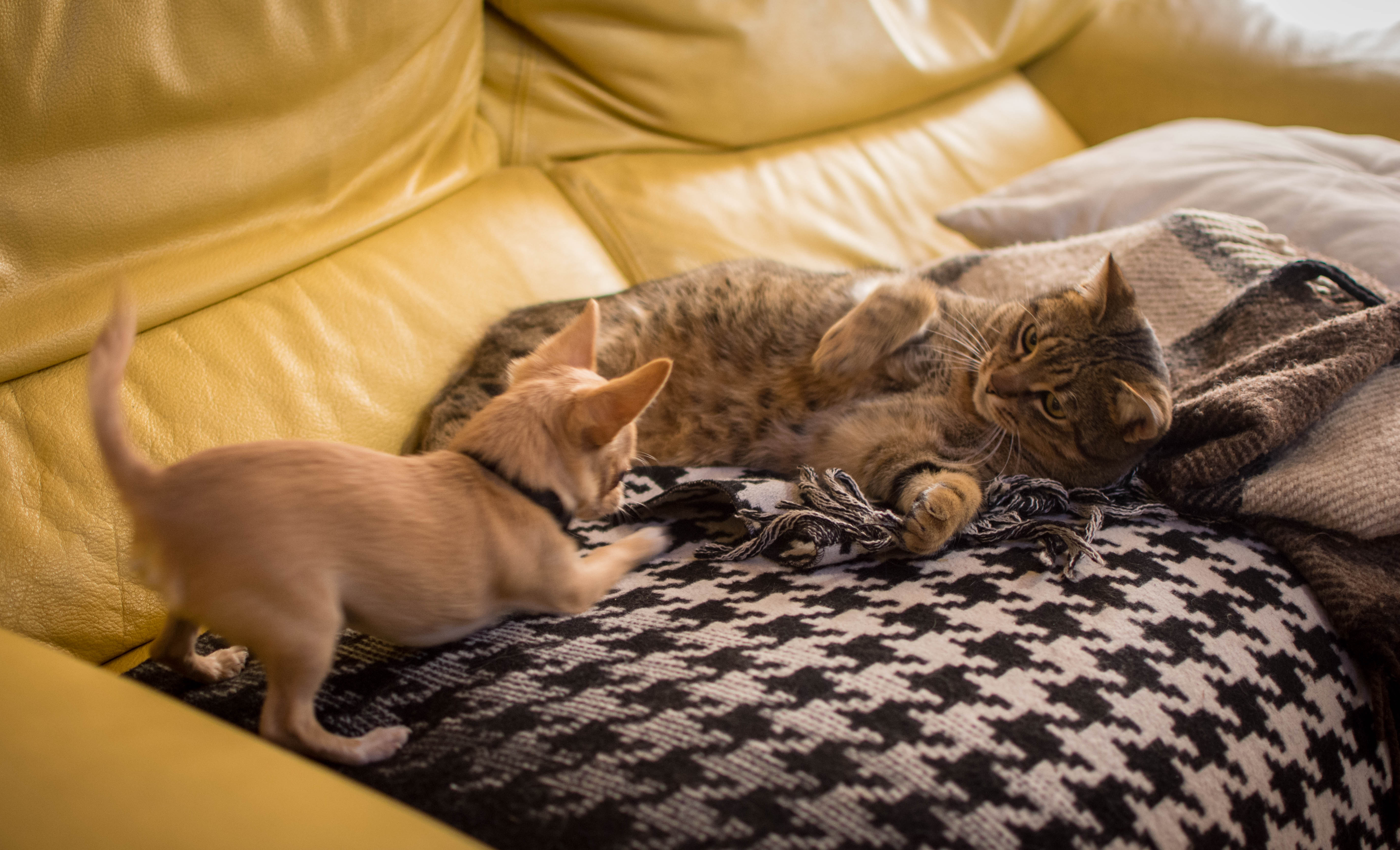
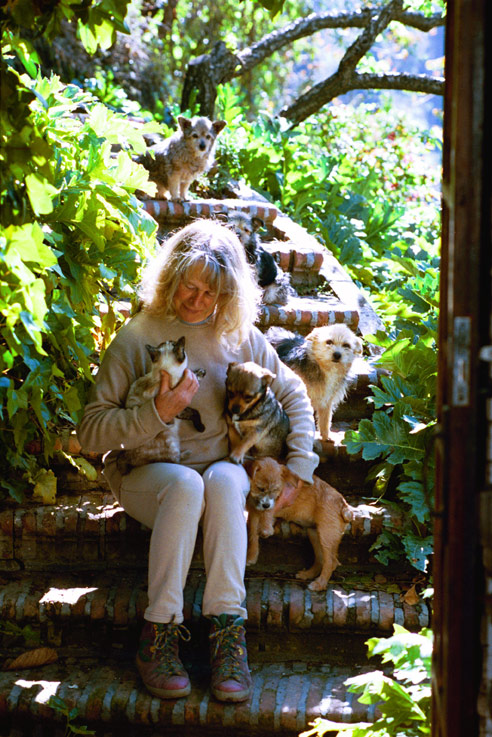
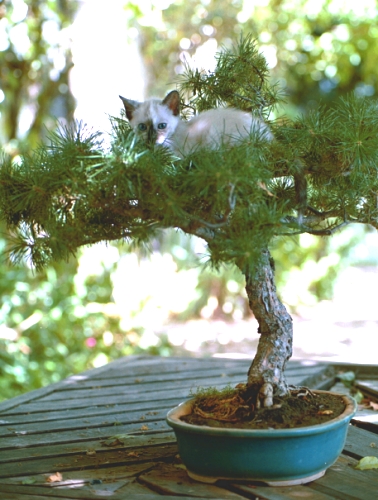
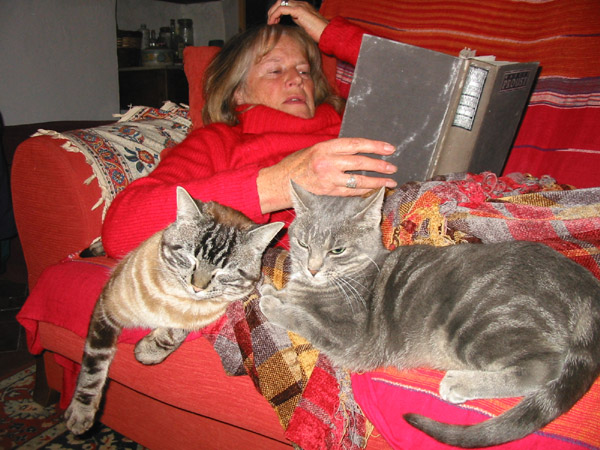
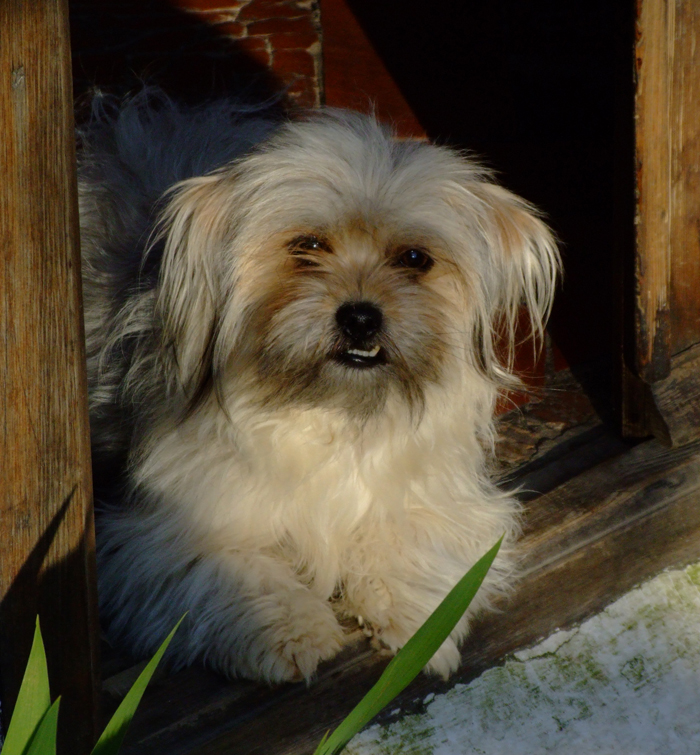
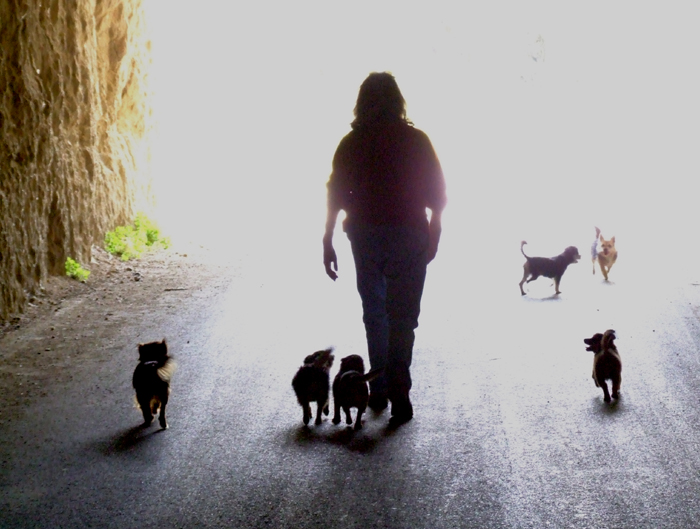
The animals seem to have played a larger role in our lives over the past year. I suppose it’s because we’re living in closer quarters, with a normal-size bed in our Gallinero cabin. Our animals are well loved. You can tell just how well by how much we let them get away with. Ours–two dogs and three cats–get away with murder. Bundy, our young tom cat takes diabolical delight in pawing things off tables and workbenches. It’s usually not too serious, though. They eventurally turn up under a cupboard or a sofa within a couple of months. Cuca, our 14-year-old shi-tsu/grifon cross, was given to us by a friend when she was 10 months old because she resented him going to work. She is an excellent communicator. To inform him of her discontent she would jump up on his bed and pee on his pillow. He was so happy when we told him we’d take her off his hands.

Our animal history hasn’t always been so joyous. Once we gave a kitten to friends. We were happy to do it because they had two lovely children under the age of eight and we thought it would be good for them. The first thing the family did was to lock the kitten in the garage with sufficient kibble and water and took off for a two-week holiday. When they got back and saw how frantic he was they returned him to us. He was very happy to be home. And that wasn’t the only charming pussycat anecdote. Another friend asked for a cat to keep down the rats in his henhouse. So we gave him a half-grown kitten. A month or so later he wanted another one. So we gave him another one. When he came back for a third I said to him, “What are you doing with all those cats?· “Nothing,” he said nonchalantly, “the foxes eat them.” I won’t mention the names of the people involved. The Spanish say, “Se dice el pecado, no el pecador.” “You name the sin, not the sinner.”

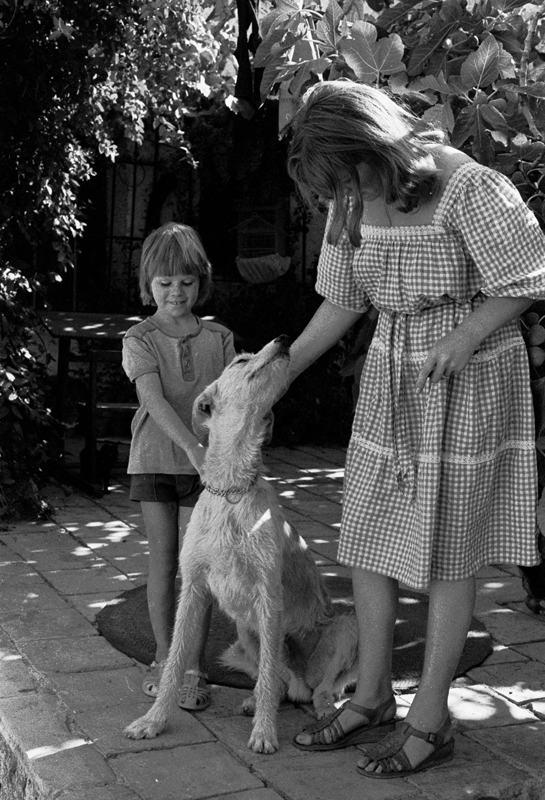
Some of Our Animals Over the Years

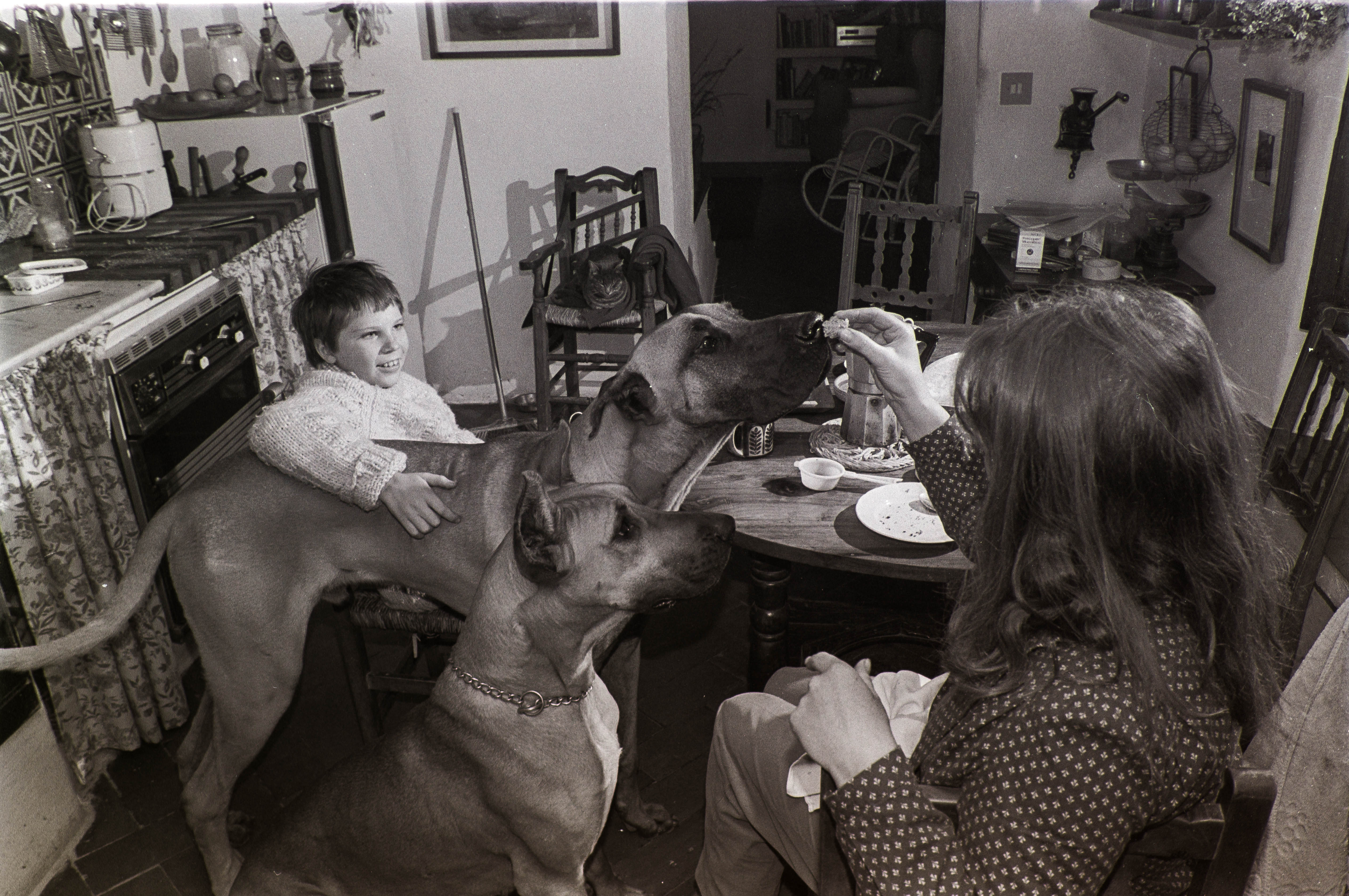
The little boy with the big dogs is now a 48-year-old geology professor.

More Recent Photos, Fewer Animals

Remember the Cookery Portfolio?

I’ve decided to call it, Maureen’s Kitchen (in Spanish, La Cocina de Maureen). I’ve been working on the recipes and the plates for the prints. I think I’ve got them all ready, but I want to pull some proofs before I made the final decision. The proofs are so important. They can be printed in so many different ways and the decisions on those proofs can make or break a project. I’ll show you some here when I get something nice.

It Sounds Silly But…

Now that it no longer freezes at night my garden in boxes is growing by leaps and bounds. I’ve added a few more boxes and am looking for more space. Mike suggested under the roof overhang of the Gallinero, but I think it would get too much direct sun in the summertime. We have a strategy for the month of August. That’s our month for late nights (una delicia), early mornings, long siestas (more delight) and long drinks. The hard part is going to bed late and getting up early. But you soon get used to it. The long siesta helps.

The beauty of the box garden is that you can pick them up and put them in the shade when necessary. When I started out I was looking forward to just the fun of having little vegetable plants in boxes, like potted flowers. But it turns out that you can actually eat the crops. There are always some leaves you can snip off to brighten up a salad or a stew, and you can pretend that the tops of the red onions are chives. We’ve just started eating the peas raw. Sooo sweet. If you decide give a box garden a try I have a warning for you: You will get hooked. How do I know? At the place where I go to buy plants I coincide with other people who have box gardens and we swap stories enthusiastically. They’re hooked just like me.

An Homage to Spanish Medicine

I’ve just arrived home from my twice-a-year appointment with my reumatólogo–that’s an arthritis doctor. I’ve been visiting him for 12 or 15 years, so we’re old friends. He turned my life around from the first visit. Thanks to him I can live a virtually painless life doing what normal people do–except pole vaulting. Since we don’t pay doctors or hospitals in Spain, I like to show my appreciation with a little gift, so I take along an etching to my appointments. When we finished the consulta this morning and I was about to leave, he said, “You’re always giving me lovely gifts, Maureen. I’ve got something for you I think you and your husband might like,” and he goes to a cupboard and brings out a box that says, “Consejo Regulador de la Ribera del Duero,” Spain’s most prestigious wine region. Between one thing and another, I love going to the doctor.

###